

What Methods Can Be Used for Food Additive Conveying?
Food additive conveying is a critical process in the food industry, ensuring that ingredients are transported efficiently and safely from storage to production lines. The choice of conveying method depends on various factors including the type of additive, its physical properties, and the specific requirements of the manufacturing environment. This article explores the common methods used for food additive conveying, highlighting the advantages and considerations for each approach.
Introduction to Food Additive Conveying
Food additives, such as flavor enhancers, colorants, preservatives, and vitamins, play essential roles in enhancing the quality and shelf life of food products. Proper conveying of these additives is vital to maintain their integrity and prevent contamination. The methods used must comply with stringent hygiene standards and regulations to ensure the final product meets safety and quality requirements. Shandong HeadPowder Engineering Co., Ltd., a leading manufacturer in the field, specializes in providing tailored conveying solutions that meet these high standards.
Key Factors Influencing Conveying Method Selection
When selecting a conveying method for food additives, several key factors must be considered. These include the particle size and shape of the additive, its moisture content, flowability, and potential for dust generation. Additionally, the volume of material to be conveyed, the distance between storage and processing areas, and the need for gentle handling to avoid degradation are critical. The chosen method should also align with the overall production workflow and integration with existing equipment. HeadPowder, with its extensive experience, offers expert guidance in evaluating these factors to recommend the most suitable conveying solution.
Pipeline Conveying Systems
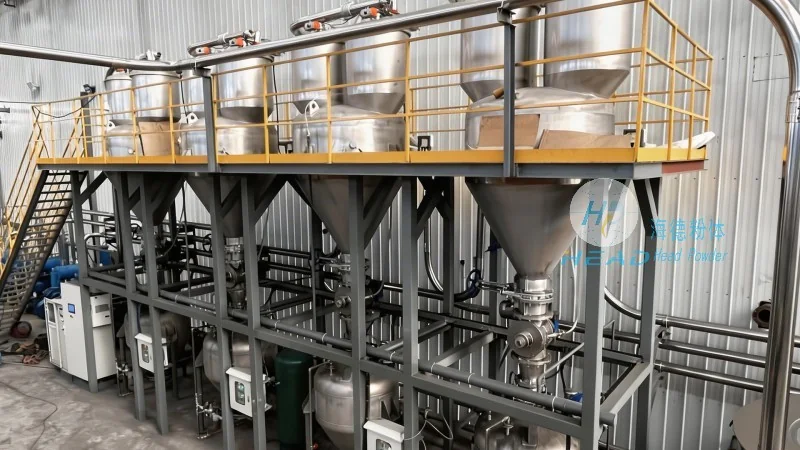
Pipeline conveying, also known as pneumatic or hydraulic conveying, is a widely used method for transporting food additives. This system involves moving materials through a network of pipes using air or liquid as the conveying medium. For food additives, pneumatic conveying is often preferred due to its ability to handle fine powders and granules without the need for mechanical components that could introduce contaminants. The system typically consists of a hopper, a conveyor line, and a receiver, with air pressure or vacuum creating the flow. This method is particularly effective for additives that are free-flowing and non-abrasive, such as certain flavorings and colorants. The advantages of pipeline conveying include high efficiency, minimal product degradation, and the ability to transport materials over long distances. However, it requires careful design to prevent blockages and ensure consistent air flow, which is crucial for maintaining product quality.
Screw Conveyors and Auger Systems
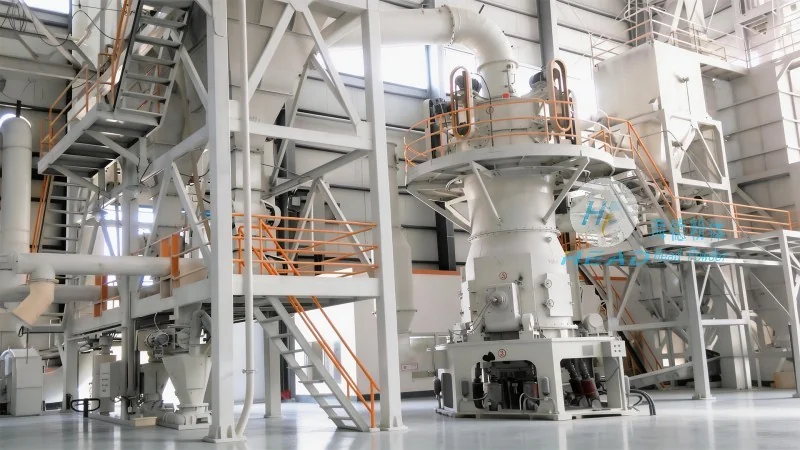
Screw conveyors, or auger systems, are another common method for conveying food additives. These systems use a rotating screw or auger to move materials along a trough. The screw's rotation creates a pushing action that propels the additive forward. Screw conveyors are suitable for a wide range of additives, including powders, granules, and even semi-solid materials. They are particularly effective for additives that are cohesive or have a tendency to stick to surfaces, as the screw's design can help break up clumps and ensure smooth flow. The system is enclosed, which helps maintain hygiene and prevent dust contamination. Screw conveyors are also relatively simple to install and maintain, making them a cost-effective option for many food processing facilities. However, they may not be suitable for very fine powders that can cause excessive wear on the screw and trough, potentially leading to contamination.
Bucket Elevators and Vertical Conveyors
For vertical or inclined conveying of food additives, bucket elevators and vertical conveyors are often employed. These systems use a series of buckets attached to a chain or belt to lift materials from a lower to a higher level. The buckets are filled with the additive as they travel up the conveyor and discharge the material at the top. This method is ideal for transporting additives that need to be elevated, such as from a storage silo to a processing line on a different floor. Bucket elevators are capable of handling a wide range of materials, from fine powders to larger granules, and can operate at high speeds with minimal product degradation. The enclosed design of these systems ensures that the additives remain contained and free from contamination. However, they require regular maintenance to ensure the buckets and chains are in good condition, as wear and tear can affect performance and product quality. HeadPowder offers customized bucket elevator solutions that can be integrated with existing production lines to meet specific vertical conveying needs.
Gravimetric Feeding and Dosing Systems
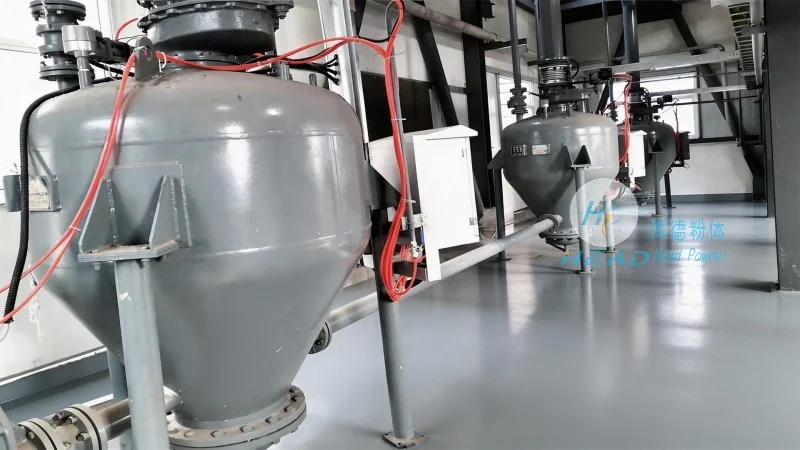
In addition to the primary conveying methods, gravimetric feeding and dosing systems are essential for precise control of food additive quantities. These systems use weight-based measurement to ensure accurate and consistent addition of additives during the production process. This is particularly important for additives that are used in small quantities or require tight control to maintain product consistency. The system typically includes a hopper, a conveyor, and a load cell to measure the weight of the material being dispensed. The dosing rate is controlled by adjusting the speed of the conveyor or the opening of a valve. Gravimetric feeding systems are widely used in the food industry to ensure that the final product meets the required specifications and complies with regulatory standards. HeadPowder provides integrated gravimetric feeding solutions that combine conveying and dosing functions, simplifying the process and improving overall efficiency.
Considerations for Hygiene and Compliance
All conveying systems used for food additives must adhere to strict hygiene and regulatory standards. This includes materials that are food-grade, easy to clean, and resistant to corrosion. The design of the system should minimize dead zones where material can accumulate and become contaminated. Regular cleaning and maintenance are essential to prevent cross-contamination between different additives. Additionally, the system must be able to withstand the cleaning processes, such as CIP (Clean-In-Place) and SIP (Steam-In-Place), without damage. Shandong HeadPowder Engineering Co., Ltd. specializes in designing and manufacturing conveying systems that meet these stringent requirements, ensuring that the additives are handled in a safe and compliant manner throughout the process.
Conclusion
Choosing the right conveying method for food additives is a critical decision that impacts the efficiency, safety, and quality of the final product. Factors such as the additive's properties, production requirements, and hygiene standards must be carefully evaluated to select the most appropriate system. Shandong HeadPowder Engineering Co., Ltd. offers a range of conveying solutions, including pipeline, screw, vertical, and gravimetric systems, tailored to meet the specific needs of food manufacturers. By leveraging their expertise and commitment to quality, HeadPowder helps ensure that food additives are transported safely and efficiently, contributing to the overall success of food production operations.