With more than 10‑year industry experience, Shandong Headpowder delivers full‑service pneumatic‑conveying systems and blowers, undertaking nationwide turn‑key powder‑handling projects.
Coal gangue, a byproduct of coal mining and processing, is a heterogeneous mixture of rock fragments, mineral particles, and organic matter. Its efficient handling is critical for industrial applications, including construction, road building, and energy recovery. Conveying systems must be designed to accommodate the abrasive nature and variable particle sizes of coal gangue, ensuring stable operation and compliance with environmental regulations. The selection of a conveying method depends on factors such as transport distance, material throughput, budget, and operational space constraints. This article provides a comprehensive comparison of common coal gangue conveying methods, analyzing their advantages and disadvantages to assist industrial operators in making informed decisions.
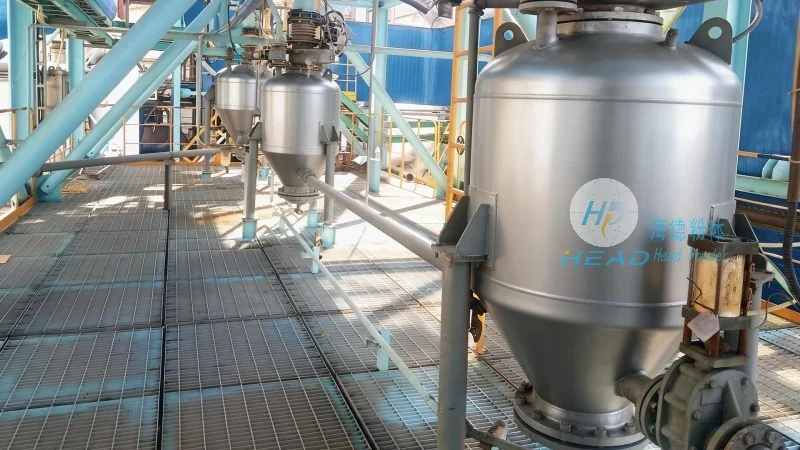
Coal gangue poses unique challenges for material handling due to its physical properties. It is often coarse, with particle sizes ranging from fine dust to large rock fragments, and can be highly abrasive, causing significant wear on equipment components. Additionally, gangue may contain moisture or be sticky, which can lead to clogging and reduced efficiency. Conveying systems must be robust and adaptable to handle these variations. The choice of system impacts not only operational efficiency but also long-term maintenance costs and environmental compliance. Understanding the strengths and limitations of each method is essential for optimizing material transport in coal processing facilities.
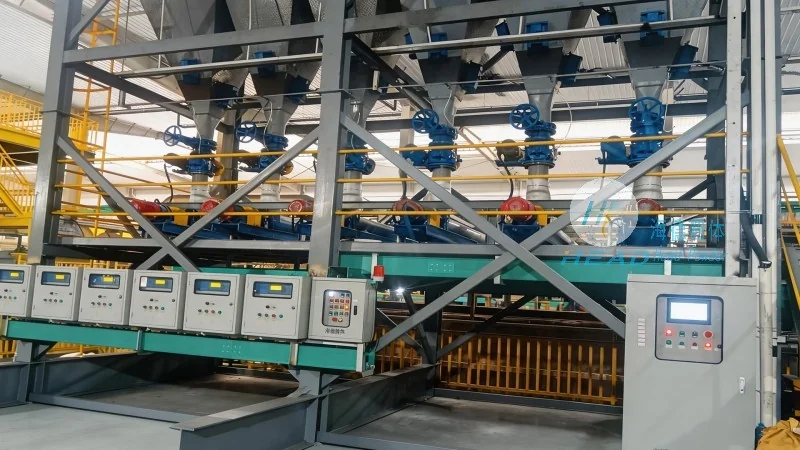
A belt conveyor is a continuous loop of belt supported by rollers or pulleys, designed to transport bulk materials over long distances. It is one of the most widely used methods for coal gangue due to its high capacity and low operational cost. The primary advantage of belt conveyors is their ability to handle large volumes of material (ranging from several tons per hour to over 10,000 tons per hour) over extended horizontal distances, often exceeding 1 kilometer. This makes them ideal for open-pit mines and large-scale processing plants where material needs to be moved from extraction sites to processing facilities or storage areas. Belt conveyors are also relatively simple to install and maintain, with minimal downtime. The system consists of a drive unit, idlers, pulleys, and a belt, which are all durable and easy to replace. However, belt conveyors have significant limitations when dealing with abrasive or sticky gangue. The belt and pulleys are prone to wear from the rough material, requiring frequent replacement to prevent breakdowns. This increases maintenance costs and reduces system availability. Additionally, belt conveyors are not suitable for vertical or steep incline transport, as the belt may slip or break under heavy loads. The system also generates dust, which can be a health hazard if not properly contained, and may require additional dust suppression measures.
Scraper conveyors, also known as chain conveyors, use a chain with attached scrapers to move material along a trough. This method is particularly effective for transporting coal gangue in vertical or steep incline applications, such as in coal preparation plants where material needs to be elevated to a storage silo or processing unit. The main advantage of scraper conveyors is their ability to handle sticky or wet materials without clogging, as the scraper pushes the material forward. They are also suitable for vertical lifting in confined spaces, where other systems may not fit. The chain and scraper components provide consistent traction, ensuring stable material flow even under heavy loads. However, scraper conveyors have lower capacity compared to belt conveyors, typically handling volumes from 100 to 1,000 tons per hour. They are also more expensive to install and maintain due to the moving parts. The chain and scraper are subject to wear from abrasive gangue, leading to higher replacement costs over time. Additionally, the system may experience downtime due to chain tension issues or scraper failure, which can disrupt material flow.
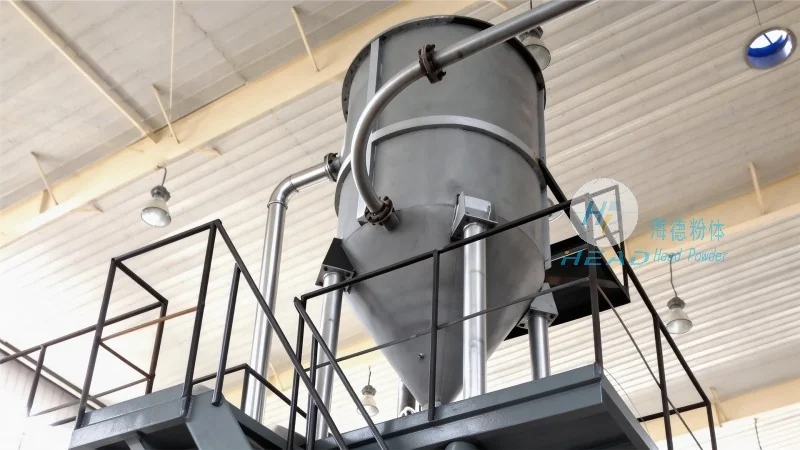
Bucket elevators are vertical or near-vertical conveyors that use a chain or belt with attached buckets to lift material from a lower to a higher level. They are commonly used for transporting coal gangue in vertical applications, such as in coal preparation plants or when material needs to be elevated to a storage facility. The primary advantage of bucket elevators is their high vertical lifting capacity, often reaching heights of 20 meters or more, and their ability to handle abrasive materials without significant wear. The buckets and chain are designed to withstand the rough nature of coal gangue, reducing wear and extending equipment life. They are also compact and can be installed in limited vertical space, making them suitable for facilities with space constraints. However, bucket elevators have lower horizontal transport capacity and are not suitable for long-distance horizontal transport. The system is also more complex and requires regular maintenance due to the moving parts. The buckets and chain may experience wear from abrasive material, and the system may require periodic inspection to ensure proper operation. Additionally, bucket elevators may experience downtime due to bucket failure or chain tension issues.

 Shandong Headpowder Engineering Co., Ltd.
 156-6277-7102(Manager Zhang)
  0531-83386006
  Zhangqiu District, Jinan City, Shandong Province, China
telephone
WeChatconsult
top