With more than 10‑year industry experience, Shandong Headpowder delivers full‑service pneumatic‑conveying systems and blowers, undertaking nationwide turn‑key powder‑handling projects.
Stone gas pneumatic conveying is a critical process in material handling, especially for transporting bulk materials like aggregates and construction stones. The design and selection of appropriate equipment are pivotal to ensure efficient, reliable, and cost-effective operation. This article provides a comprehensive overview of the design calculation principles and equipment selection guidelines for stone gas pneumatic conveying systems, presented by Shandong HeadPowder Engineering Co., Ltd., a leading engineering firm based in Shandong, China.
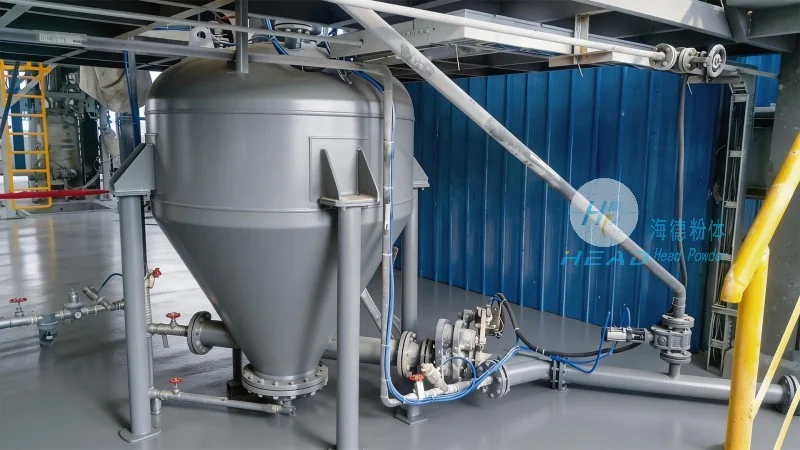
HeadPowder Engineering, operating under the brand name headpowder, is a specialized engineering company headquartered in Shandong, China. With years of experience in the field of pneumatic conveying technology, the company has established itself as a trusted partner for clients seeking tailored solutions for material handling challenges. The firm's expertise lies in the design, calculation, and selection of equipment for various pneumatic conveying systems, including those used for stone and other bulk materials. By leveraging advanced engineering principles and practical industry knowledge, HeadPowder Engineering delivers solutions that meet the specific requirements of each project, ensuring optimal performance and long-term reliability.
The successful implementation of a stone gas pneumatic conveying system begins with accurate design calculations. These calculations are essential to determine the necessary parameters for the system's operation, including the required air pressure, flow rate, and the design of the conveying pipeline. The process involves several key steps to ensure the system can handle the material's characteristics and the desired conveying distance effectively.
First, the material's physical properties, such as particle size distribution, density, and moisture content, are analyzed. These properties influence the air velocity and pressure needed to move the material through the pipeline. For stone materials, which typically have larger particle sizes and higher density, higher air velocities and pressures may be required to prevent blockages and ensure smooth flow. The design calculation also considers the conveying distance and the number of bends or changes in elevation, as these factors affect the energy consumption and the overall system efficiency.
Next, the air source and its capacity are determined. The choice of a centrifugal or positive displacement blower depends on the system's requirements, such as the required pressure and flow rate. For stone conveying, a high-pressure blower is often preferred to overcome the resistance caused by the large particles. The calculation also involves determining the appropriate air volume and pressure to maintain the material in suspension, which is crucial for preventing material deposition and ensuring consistent conveying performance.
Furthermore, the pipeline design is a critical aspect of the calculation. The diameter and length of the pipeline, along with the number of elbows and other components, are optimized to minimize pressure drop and energy consumption. The use of smooth, corrosion-resistant materials for the pipeline is essential to prevent material buildup and ensure the longevity of the system. The design calculation also considers the separation and collection equipment, such as cyclones or filters, which are necessary to separate the conveyed material from the air stream and return the air to the system or release it to the atmosphere.
Once the design calculations are complete, the next step is to select the appropriate equipment for the stone gas pneumatic conveying system. The selection process involves evaluating various components to ensure they meet the system's performance requirements and are compatible with the material being conveyed.
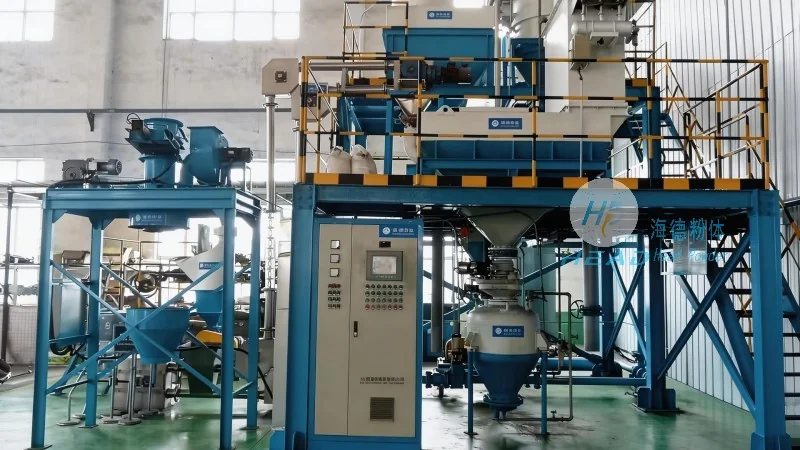
The air compressor or blower is a key component, as it provides the necessary pressure and flow to move the material. For stone conveying, a high-pressure, high-capacity blower is typically selected. These units are designed to handle the higher resistance caused by the large particle size and density of the material. The choice between a centrifugal blower and a positive displacement blower depends on the specific application, with centrifugal blowers often preferred for their efficiency and ability to handle larger volumes of air.
The conveying pipeline is another critical component. The material's properties dictate the required diameter and material of the pipeline. For stone materials, larger diameters are often needed to accommodate the larger particles and prevent blockages. The pipeline is typically made of corrosion-resistant materials, such as stainless steel or PVC, to ensure durability and prevent material buildup. The design of the pipeline, including the number and angle of elbows, is optimized to minimize pressure drop and ensure smooth material flow.
Separation and collection equipment is essential to complete the system. Cyclones are commonly used to separate the material from the air stream, as they are effective in handling large particles and can be customized to meet the specific separation efficiency requirements. The collected material is then returned to the storage or processing area, while the air is either filtered and recirculated or released to the atmosphere. The selection of the separation equipment depends on the material's characteristics and the desired level of purity in the final product.
Other components, such as check valves, filters, and control valves, are also selected based on the system's requirements. Check valves prevent backflow of material and air, while filters remove any debris from the air stream to protect the equipment. Control valves are used to regulate the air pressure and flow, ensuring the system operates within the desired parameters.
Stone gas pneumatic conveying offers several advantages over traditional material handling methods. One of the primary benefits is the ability to transport materials over long distances without the need for intermediate storage or handling. This reduces the risk of material degradation and improves overall efficiency. The system is also relatively compact, as the conveying pipeline can be installed in tight spaces, making it suitable for applications where space is limited.
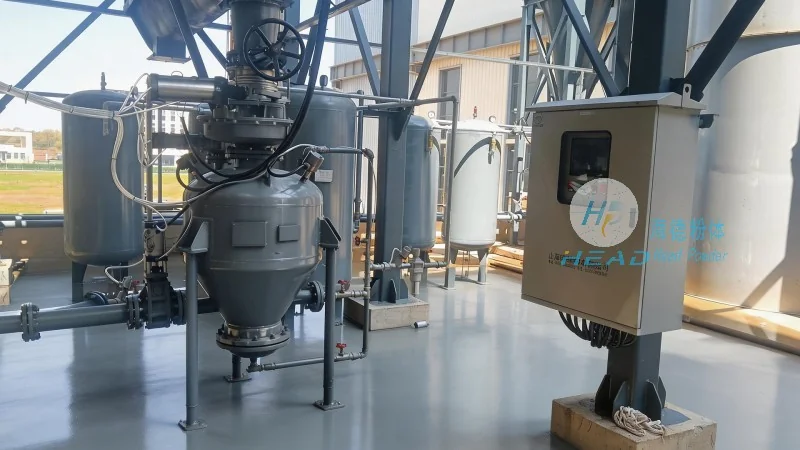
Another advantage is the flexibility of the system. It can be easily adapted to handle different materials and conveying distances by adjusting the design parameters and equipment selection. This makes it a versatile solution for various industrial applications, including construction, mining, and manufacturing. The system also offers better control over the material's flow and can be integrated with other processing equipment, such as mixers or classifiers, to create a fully automated material handling system.
Energy efficiency is another key advantage. By optimizing the design and equipment selection, the system can operate with minimal energy consumption, reducing operational costs. The use of high-efficiency blowers and optimized pipeline design helps to minimize pressure drop and energy waste, making the system more environmentally friendly and cost-effective.
HeadPowder Engineering specializes in providing customized solutions for stone gas pneumatic conveying systems. The company works closely with clients to understand their specific requirements and challenges, then develops a tailored design and equipment selection plan. This approach ensures that the final system meets the client's performance, efficiency, and budgetary needs.
The engineering team at HeadPowder uses advanced software and tools to perform detailed design calculations and simulations, allowing them to optimize the system before construction. This helps to identify potential issues and make necessary adjustments, reducing the risk of costly errors during the installation and operation of the system.
After the system is installed, HeadPowder Engineering provides comprehensive support, including commissioning, training, and maintenance services. The company's technical experts are available to assist with any issues that may arise, ensuring the system operates at peak performance throughout its lifecycle. This comprehensive approach to service ensures that clients receive a reliable and long-lasting solution for their material handling needs.
Designing and selecting the right equipment for a stone gas pneumatic conveying system is a complex process that requires careful consideration of the material's properties, system requirements, and operational constraints. By following the principles outlined in this article and leveraging the expertise of companies like Shandong HeadPowder Engineering Co., Ltd., clients can achieve efficient, reliable, and cost-effective material handling solutions. The advancements in engineering and equipment technology continue to improve the performance of pneumatic conveying systems, making them an increasingly popular choice for bulk material transportation in various industries.

 Shandong Headpowder Engineering Co., Ltd.
 156-6277-7102(Manager Zhang)
  0531-83386006
  Zhangqiu District, Jinan City, Shandong Province, China
telephone
WeChatconsult
top