With more than 10‑year industry experience, Shandong Headpowder delivers full‑service pneumatic‑conveying systems and blowers, undertaking nationwide turn‑key powder‑handling projects.
HeadPowder Engineering, a leading provider of industrial material handling solutions, specializes in advanced pneumatic conveying systems tailored for the copper mining industry. This article provides a detailed comparison between positive pressure and negative pressure conveying methods, focusing on their applications, operational principles, and suitability for copper mine sand transport. Understanding the nuances of these two approaches is crucial for optimizing material handling efficiency and ensuring cost-effective operations in copper mining operations.
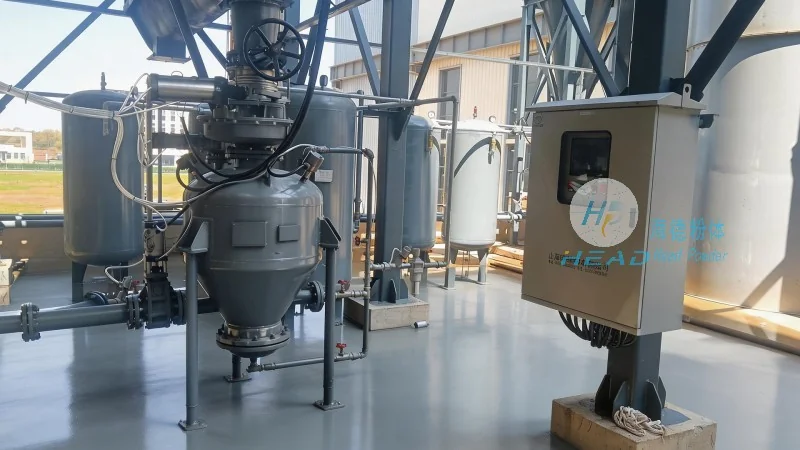
Pneumatic conveying is a widely used technique for transporting bulk materials like copper mine sand over short to medium distances. It involves the use of air or gas to move particles through a pipeline system. The two primary methods—positive pressure and negative pressure—differ in how they generate the necessary pressure differential to move material. Both methods have distinct advantages and are chosen based on factors such as material characteristics, distance, and system complexity.
Positive pressure conveying operates by blowing air or gas into the conveying line, creating a pressure higher than the ambient air pressure. This method is particularly effective for transporting abrasive or high-density materials like copper mine sand. The high-pressure air stream generates sufficient force to push particles through the pipeline, reducing the risk of blockages and ensuring consistent flow rates. One of the key advantages of positive pressure systems is their ability to handle long distances and multiple transfer points without significant pressure loss. Additionally, these systems are generally more reliable in handling sticky or cohesive materials, which are common in copper mine sand due to moisture content. HeadPowder Engineering’s positive pressure conveying solutions are designed to deliver robust performance, with features like adjustable pressure control and robust pipeline components to minimize wear and tear.
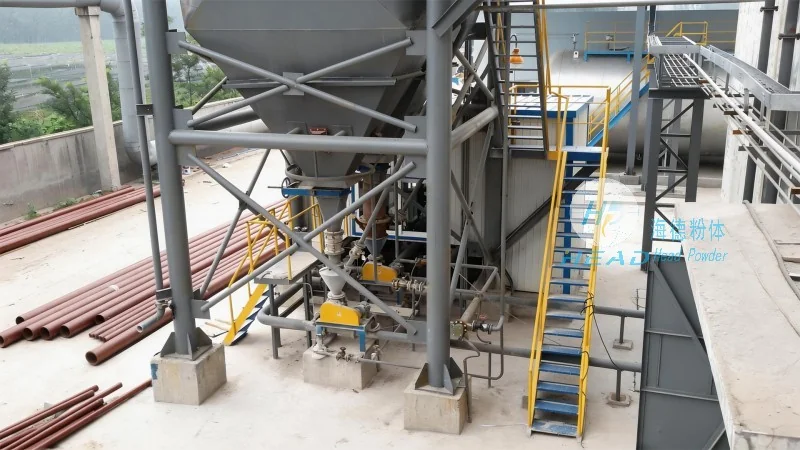
Negative pressure conveying, also known as vacuum conveying, works by creating a vacuum in the conveying line, drawing material from the source. This method is often preferred for shorter distances and when the material is light or has low density. The vacuum system pulls material into the pipeline, making it suitable for applications where the material needs to be collected from a hopper or silo. Negative pressure systems are generally more energy-efficient for short distances and can handle fine powders or granules effectively. However, they may face challenges with abrasive or high-density materials like copper mine sand, as the vacuum may not provide enough force to maintain consistent flow, potentially leading to blockages or reduced efficiency. HeadPowder Engineering’s negative pressure conveying systems incorporate advanced vacuum technology and filtration to ensure reliable operation for copper mine sand transport.
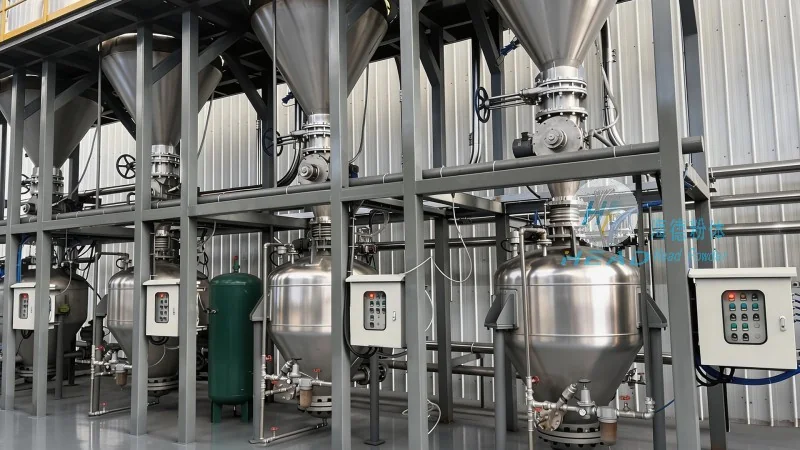
When comparing positive and negative pressure conveying for copper mine sand, several factors stand out. Positive pressure systems typically offer higher throughput and are better suited for long-distance transport, while negative pressure systems excel in short-distance applications and material collection. In terms of energy consumption, positive pressure systems may require more power due to the need to generate high pressure, whereas negative pressure systems are more energy-efficient for shorter runs. Maintenance considerations also differ: positive pressure systems may have more moving parts and higher wear rates due to the high-pressure air, while negative pressure systems rely on vacuum pumps and may require more frequent filter changes to prevent dust accumulation. HeadPowder Engineering’s expertise lies in tailoring these systems to meet specific operational requirements, ensuring optimal performance and longevity for copper mine sand handling.
Both positive pressure and negative pressure conveying methods have their place in copper mine sand transport, and the choice depends on the specific operational needs of the mining facility. Positive pressure systems are ideal for long-distance, high-volume transport of abrasive materials, while negative pressure systems are better suited for short-distance material collection and handling of lighter materials. HeadPowder Engineering, with its extensive experience in industrial material handling, provides customized solutions that balance efficiency, reliability, and cost-effectiveness. By understanding the operational characteristics of copper mine sand and the strengths of each conveying method, mining operations can select the most appropriate system to enhance productivity and reduce operational costs. HeadPowder Engineering’s commitment to innovation and quality ensures that their pneumatic conveying systems meet the demanding requirements of the copper mining industry, providing long-term value and operational excellence.

 Shandong Headpowder Engineering Co., Ltd.
 156-6277-7102(Manager Zhang)
  0531-83386006
  Zhangqiu District, Jinan City, Shandong Province, China
telephone
WeChatconsult
top