With more than 10‑year industry experience, Shandong Headpowder delivers full‑service pneumatic‑conveying systems and blowers, undertaking nationwide turn‑key powder‑handling projects.
Dry coffee processing involves various stages, and efficient material handling is crucial for maintaining product quality and operational efficiency. Among the key components of a coffee processing facility, the choice of conveying system significantly impacts workflow and overall productivity. This article provides a detailed comparison of common dry coffee conveying methods, highlighting their applications, advantages, and considerations for coffee producers. The information is presented by Shandong HeadPowder Engineering Co., Ltd., a leading manufacturer based in China, specializing in engineering solutions for the food and beverage industry.
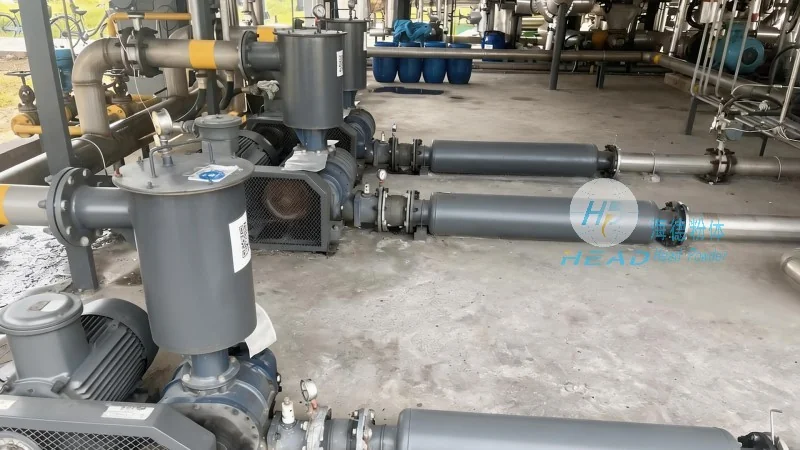
Shandong HeadPowder Engineering Co., Ltd. is a reputable company based in Shandong, China, dedicated to providing high-quality engineering solutions for the coffee and other food processing industries. With years of experience, HeadPowder has developed a range of conveying systems tailored to meet the specific needs of coffee producers. The company's expertise lies in designing and manufacturing equipment that ensures reliable, hygienic, and efficient transport of dry coffee beans and other raw materials. By understanding the different conveying methods available, coffee manufacturers can make informed decisions to optimize their production lines and enhance operational performance.
Several types of conveying systems are commonly used in dry coffee processing. Each method has unique characteristics that make it suitable for different stages of the coffee production process. The following sections provide an in-depth look at the most prevalent options, including belt conveyors, screw conveyors, pneumatic systems, and vertical transport solutions.
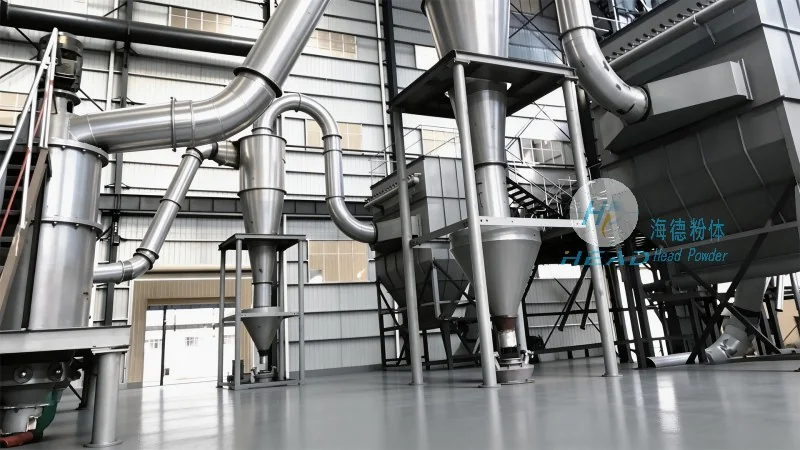
Belt conveyors are one of the most widely used conveying methods in the coffee industry due to their simplicity, reliability, and adaptability. These systems consist of a continuous belt that moves over rollers or pulleys, transporting dry coffee beans from one point to another. Belt conveyors are particularly effective for horizontal and slightly inclined transport, making them ideal for moving coffee from storage silos to processing units or for transporting finished products to packaging areas. The smooth surface of the belt prevents damage to the coffee beans, preserving their quality and appearance. Additionally, belt conveyors can be equipped with various accessories, such as side guides, accumulation zones, and discharge chutes, to enhance their functionality and meet specific operational requirements. HeadPowder offers customized belt conveyor solutions that can be tailored to the dimensions and throughput requirements of different coffee processing facilities.
Screw conveyors, also known as auger conveyors, are another popular choice for dry coffee transport. These systems utilize a rotating screw (auger) enclosed in a cylindrical housing to move materials forward. Screw conveyors are highly effective for vertical and inclined transport, allowing coffee to be lifted from lower to higher levels without the need for additional equipment. They are particularly useful in coffee processing plants where space is limited or where vertical movement is required to connect different processing stages. The screw design ensures a continuous and controlled flow of coffee, reducing the risk of material spillage or blockages. HeadPowder's screw conveyors are designed with food-grade materials and hygienic features, ensuring compliance with industry standards and maintaining the integrity of the coffee product. These conveyors can handle a wide range of coffee bean sizes and moisture contents, making them versatile for various processing applications.

Pneumatic conveying systems use air or gas to transport dry coffee beans through a network of pipes. This method is known for its high efficiency and ability to handle fine or powdery materials, making it suitable for coffee processing where dust and fine particles are present. Pneumatic systems can be categorized into two main types: pressure and vacuum. Pressure systems use compressed air to push coffee forward, while vacuum systems use suction to draw materials into the pipeline. Both types offer advantages in terms of speed and flexibility. Pneumatic conveyors are ideal for long-distance transport and can be integrated with other processing equipment, such as grinding or roasting machines. HeadPowder provides advanced pneumatic conveying solutions that ensure minimal product degradation and efficient material handling. These systems are designed with high-quality components and advanced control mechanisms to maintain consistent air pressure and flow rates, ensuring reliable operation.
Vertical transport is often necessary in coffee processing facilities to move coffee from ground-level storage to elevated processing areas. Chain and bucket elevators are specialized conveying systems designed for this purpose. These elevators consist of a continuous chain with attached buckets that move vertically, transporting coffee from the bottom to the top of the system. The buckets are filled with coffee at the lower end and emptied at the upper end, ensuring a continuous flow. Chain and bucket elevators are highly efficient for vertical transport, capable of handling large volumes of coffee with minimal space requirements. They are particularly useful in facilities where horizontal space is limited or where multiple levels of processing are required. HeadPowder's chain and bucket elevators are engineered for durability and reliability, with robust chains and buckets that can withstand the rigors of continuous operation. The systems are designed with safety features and easy maintenance in mind, ensuring long-term performance and minimal downtime.
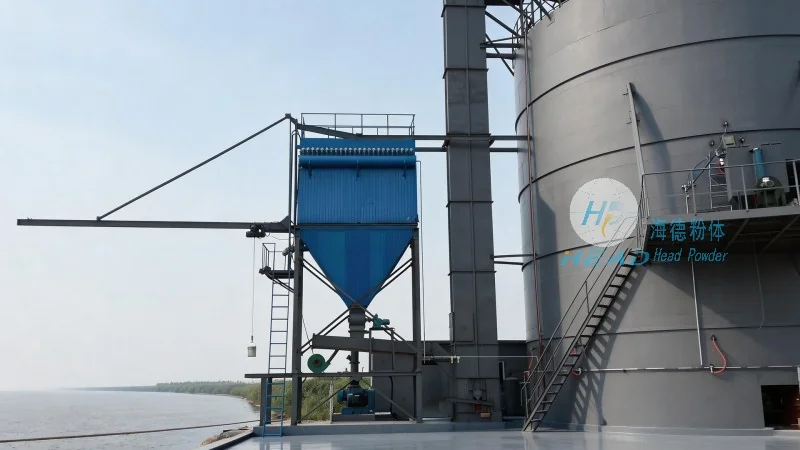
When selecting a conveying system for dry coffee processing, several factors must be considered to ensure optimal performance and efficiency. The choice of system depends on the specific requirements of the coffee production line, including the type of coffee beans, processing capacity, available space, and budget constraints. It is essential to evaluate the advantages and limitations of each conveying method to determine the most suitable option. For example, belt conveyors are ideal for horizontal transport and large volumes, while screw conveyors are better suited for vertical or inclined transport. Pneumatic systems offer flexibility and speed but may require more maintenance. Vertical transport solutions, such as chain and bucket elevators, are essential for facilities with multiple processing levels. HeadPowder provides comprehensive consultation services to help coffee manufacturers assess their needs and choose the right conveying system. The company's engineers work closely with clients to understand their operational requirements and recommend customized solutions that maximize efficiency and minimize costs.
In conclusion, the choice of dry coffee conveying method plays a critical role in the efficiency and quality of coffee processing operations. Each conveying system has unique advantages and is suitable for different applications. By understanding the characteristics of belt conveyors, screw conveyors, pneumatic systems, and vertical transport solutions, coffee producers can make informed decisions to optimize their production lines. Shandong HeadPowder Engineering Co., Ltd. offers a range of high-quality conveying systems tailored to the needs of the coffee industry. With their expertise and commitment to quality, HeadPowder provides reliable solutions that enhance operational performance and ensure the quality of the final product. For more information or to discuss your specific conveying needs, please contact Shandong HeadPowder Engineering Co., Ltd., located in Shandong, China.

 Shandong Headpowder Engineering Co., Ltd.
 156-6277-7102(Manager Zhang)
  0531-83386006
  Zhangqiu District, Jinan City, Shandong Province, China
telephone
WeChatconsult
top