

Barite Positive Pressure and Negative Pressure Conveying: A Comparative Analysis of Two Pneumatic Co
Barite, a critical industrial mineral used extensively in oil drilling fluids, paint formulations, and other manufacturing processes, demands efficient and reliable transportation methods to maintain seamless production workflows. Among the diverse pneumatic conveying technologies available, positive pressure and negative pressure systems represent two primary approaches. This article provides a comprehensive comparison of these two methods, examining their operational principles, advantages, and practical applications, with a focus on optimizing barite handling operations.
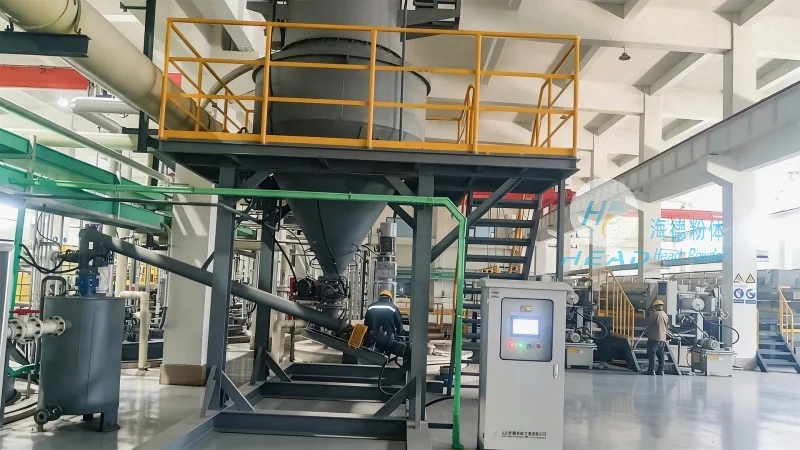
Overview of Pneumatic Conveying Systems
Pneumatic conveying systems utilize air or gas to transport bulk materials like barite through a pipeline network. The two main types are positive pressure and negative pressure systems, each with distinct characteristics that influence their suitability for various industrial scenarios. Understanding these differences is essential for selecting the most effective system for barite transportation.
Positive Pressure Conveying: The Forward-Pressure Method
Positive pressure conveying, also known as pressure pneumatic conveying, operates by injecting air or gas into the conveying line, creating a pressure higher than the ambient environment. This pressurized air propels the material forward through the pipeline. The system typically incorporates a blower or compressor at the inlet, which generates the necessary pressure to move the material. The advantages of positive pressure systems include high conveying capacity, robustness in handling abrasive materials, and suitability for long-distance transport. However, they may require more substantial equipment and higher energy consumption compared to negative pressure alternatives.
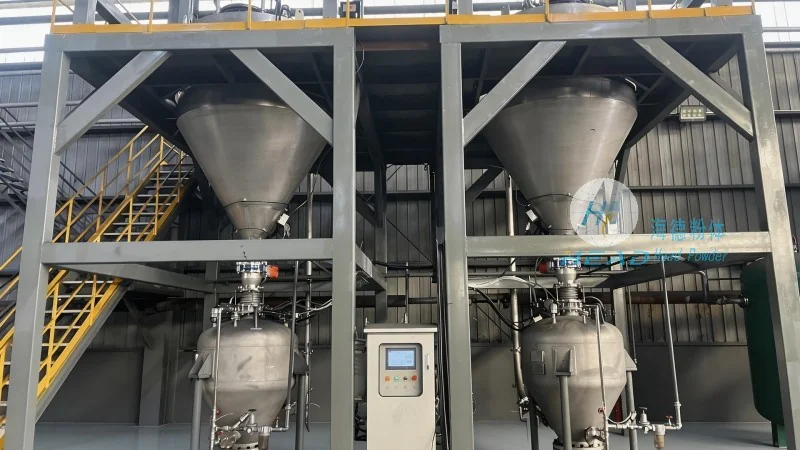
Negative Pressure Conveying: The Suction Method
Negative pressure conveying, or vacuum pneumatic conveying, functions by creating a vacuum at the discharge end of the pipeline, drawing material into the system. The air is then drawn through the material and the line, carrying it to the collection point. This method is often preferred for short-distance transport and when precise material delivery into processing equipment is required. Negative pressure systems are generally more energy-efficient and can effectively handle fine powders. Nevertheless, they may be less suitable for abrasive or high-density materials due to potential wear on suction equipment and limitations in conveying distance.
Comparative Analysis: Key Factors and Considerations
When evaluating the suitability of positive versus negative pressure systems for barite transport, several critical factors must be considered. The primary distinctions lie in air flow direction, equipment requirements, and operational efficiency. Positive pressure systems are typically more powerful and can handle larger volumes and longer distances, making them ideal for bulk barite handling in mining and processing facilities. In contrast, negative pressure systems are better suited for applications requiring precise material delivery into processing equipment or for handling fine barite powders where minimal air contamination is crucial.
From an operational standpoint, positive pressure systems may necessitate more maintenance due to the higher stress on components like blowers and pipelines, especially when dealing with abrasive barite particles. Negative pressure systems, while more energy-efficient, may encounter challenges with material buildup in the suction line and require regular cleaning to maintain performance. The choice between the two often depends on the specific application, including the distance between the source and destination, the volume of material to be conveyed, and the characteristics of the barite (e.g., particle size, moisture content, and abrasiveness).
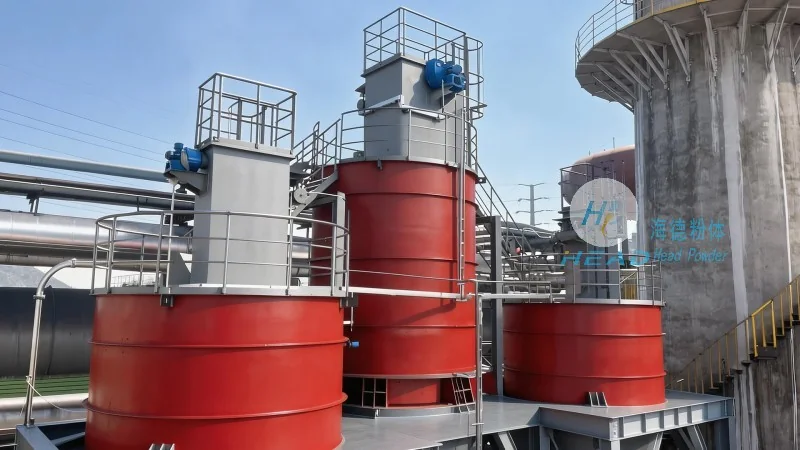
HeadPowder Engineering: Specialized Pneumatic Conveying Solutions
Shandong HeadPowder Engineering Co., Ltd., a leading provider of industrial conveying solutions, specializes in designing and implementing customized pneumatic conveying systems tailored to the unique needs of barite handling operations. With a focus on efficiency, reliability, and durability, HeadPowder leverages advanced engineering principles to optimize both positive and negative pressure systems for maximum performance. The company’s expertise includes material flow analysis, system design, and integration with existing production processes, ensuring that clients achieve optimal results in their barite transportation tasks.
By understanding the nuances of both positive and negative pressure conveying, industries can select the most appropriate system for their barite handling requirements. Whether it's long-distance bulk transport or precise material delivery into processing equipment, the right pneumatic conveying method can significantly enhance operational efficiency and reduce costs. HeadPowder Engineering continues to be a trusted partner in delivering innovative and effective solutions for barite and other bulk material transportation challenges.