With more than 10‑year industry experience, Shandong Headpowder delivers full‑service pneumatic‑conveying systems and blowers, undertaking nationwide turn‑key powder‑handling projects.
When it comes to transporting graphite fines, choosing the right conveying method is crucial for efficiency and cost-effectiveness. Two primary approaches dominate the industry: negative pressure (or suction) conveying and positive pressure (or pressure) conveying. Each method has its own set of advantages and disadvantages, making the selection process critical for operations handling graphite materials. This article provides a detailed comparison of negative pressure versus positive pressure conveying systems, focusing on their applications, benefits, and limitations in the context of graphite fines transportation.
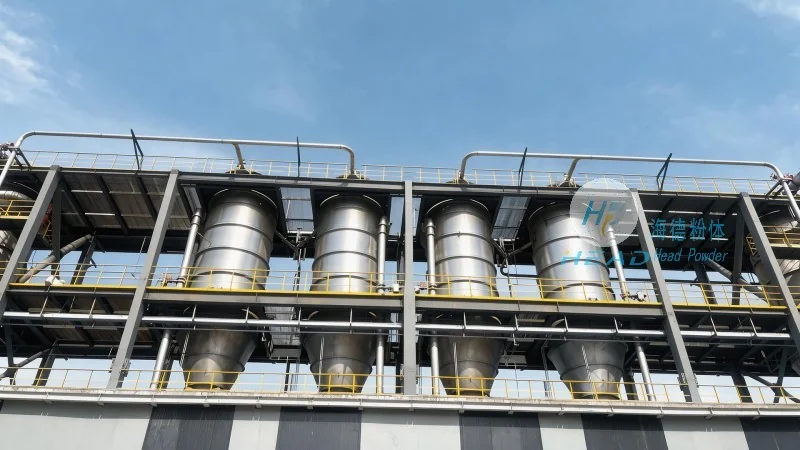
Negative pressure conveying, also known as suction conveying, operates by creating a vacuum at the material pickup point. This vacuum draws the graphite fines into the conveying line. The system typically uses a fan or blower at the discharge end to create the necessary pressure differential. A key advantage of negative pressure systems is their ability to handle fine powders without the need for high-pressure equipment, reducing the risk of material degradation or dust explosion. This makes them particularly suitable for applications where the material is sensitive to high pressure or where dust control is paramount. Additionally, negative pressure systems can operate over longer distances compared to some positive pressure alternatives, as the vacuum can maintain material flow over extended lengths. However, there are notable drawbacks. The primary limitation is the lower conveying capacity compared to positive pressure systems. The vacuum pressure is typically limited to around 1-2 bar, which restricts the volume of material that can be transported at any given time. Furthermore, negative pressure systems require careful maintenance of the vacuum seal and filter systems to prevent air leakage and material loss. The fan or blower also needs to be sized appropriately to maintain consistent vacuum levels, which can increase energy consumption if not optimized. Another consideration is the potential for backflow or material buildup in the suction line, which may require additional cleaning mechanisms or larger diameter pipes to mitigate.
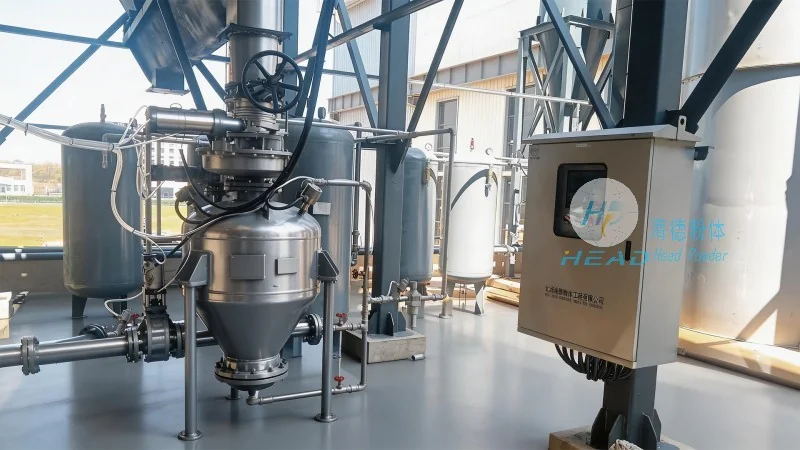
Positive pressure conveying, or pressure conveying, works by forcing air or gas through the conveying line under pressure. The material is drawn into the line by the pressure differential created by a blower or compressor at the discharge end. This method is generally more suitable for transporting larger quantities of material and can handle a wider range of particle sizes compared to negative pressure systems. One of the main advantages of positive pressure conveying is its higher conveying capacity. By operating at higher pressures (typically 3-10 bar), these systems can transport larger volumes of graphite fines over longer distances with less energy per unit of material. This makes them ideal for bulk material handling in industrial settings. Another benefit is the ability to handle abrasive or corrosive materials more effectively, as the higher pressure helps to maintain material flow and prevent clogging. Positive pressure systems also tend to have simpler maintenance requirements compared to negative pressure systems, as they do not rely on complex vacuum seals. However, there are significant disadvantages to consider. The most critical is the increased risk of dust explosion and material degradation due to the higher pressure and temperature of the conveying air. Proper explosion-proof design and temperature control are essential to mitigate these risks. Additionally, positive pressure systems require more robust equipment, such as high-pressure blowers and larger diameter pipes, which can increase initial capital costs. The higher pressure also leads to greater energy consumption, as more power is needed to maintain the pressure differential. Furthermore, positive pressure conveying may not be suitable for very fine or light materials, as the higher air velocity can cause material separation or loss, leading to reduced efficiency and increased maintenance.
When comparing negative pressure and positive pressure conveying for graphite fines, several factors must be considered to determine the optimal choice. The primary decision point is the required conveying capacity and distance. For applications requiring low to moderate material flow rates over shorter distances, negative pressure systems may be more cost-effective due to their lower initial investment and simpler design. However, for high-volume bulk handling over longer distances, positive pressure systems offer superior performance and efficiency. Material characteristics also play a significant role. If the graphite fines are highly sensitive to pressure or temperature, negative pressure conveying is preferable to minimize degradation. Conversely, if the material is abrasive or requires high throughput, positive pressure conveying may be the better option. Environmental considerations, such as dust control and explosion risk, are also critical. Negative pressure systems excel in environments where dust containment is essential, as the vacuum helps to capture and contain particles. Positive pressure systems, while more powerful, require additional safety measures to prevent dust explosions. Maintenance and operational costs are another key factor. Negative pressure systems may have higher maintenance costs due to the need for regular filter changes and vacuum seal checks, but lower energy consumption. Positive pressure systems have lower maintenance requirements but higher energy costs and initial capital expenses. Ultimately, the choice between negative and positive pressure conveying depends on a balance of operational needs, material properties, and budget constraints.
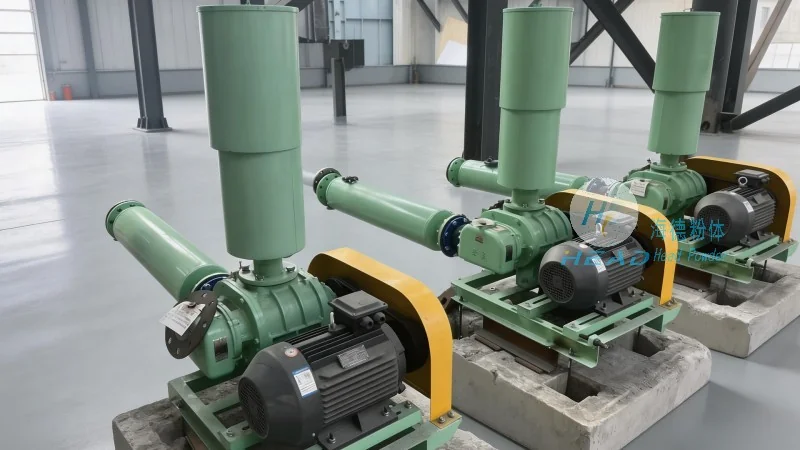
Both negative pressure and positive pressure conveying systems have their place in the transportation of graphite fines, each with distinct advantages and limitations. Negative pressure systems are ideal for low-volume, fine powder applications where dust control and material sensitivity are primary concerns. Positive pressure systems, on the other hand, are better suited for high-volume bulk handling where efficiency and throughput are paramount. The decision should be based on a thorough analysis of the specific application requirements, including material characteristics, conveying distance, and budget. For companies operating in the graphite industry, understanding these differences is crucial for optimizing their material handling processes and reducing operational costs. By selecting the appropriate conveying method, businesses can enhance productivity, improve safety, and ensure the quality of their graphite products. As the demand for graphite continues to grow, the choice of conveying technology will remain a critical factor in the success of industrial operations. Shandong HeadPowder Engineering Co., Ltd. specializes in providing tailored conveying solutions for graphite and other fine materials, helping clients achieve efficient and reliable material transport while minimizing risks and costs.

 Shandong Headpowder Engineering Co., Ltd.
 156-6277-7102(Manager Zhang)
  0531-83386006
  Zhangqiu District, Jinan City, Shandong Province, China
telephone
WeChatconsult
top