

Yeast Powder Positive Pressure Conveying vs. Negative Pressure Conveying: A Comparative Analysis of
HeadPowder, a leading provider of pneumatic conveying solutions, specializes in optimizing material handling processes for industries that rely on fine powders like yeast. In this detailed analysis, we explore the two primary pneumatic conveying methods—positive pressure conveying and negative pressure conveying—and compare their applications, advantages, and limitations when handling yeast powder. This comparison is crucial for businesses seeking to enhance efficiency, reduce operational costs, and ensure product integrity in their material handling systems.
Introduction to Pneumatic Conveying in Yeast Powder Handling
Pneumatic conveying is a widely used technique for transporting dry bulk materials, including yeast powder, through a pipeline using air or gas as the conveying medium. This method offers several advantages over traditional mechanical conveying, such as reduced equipment wear, lower maintenance requirements, and the ability to handle materials that are difficult to transport by other means. For yeast powder, which is often sensitive to moisture and temperature, selecting the right pneumatic conveying system is critical to maintaining product quality and extending shelf life. The two main types of pneumatic conveying systems are positive pressure and negative pressure, each with distinct operational principles and suitability for different industrial applications.
Positive Pressure Conveying: How It Works and Its Benefits
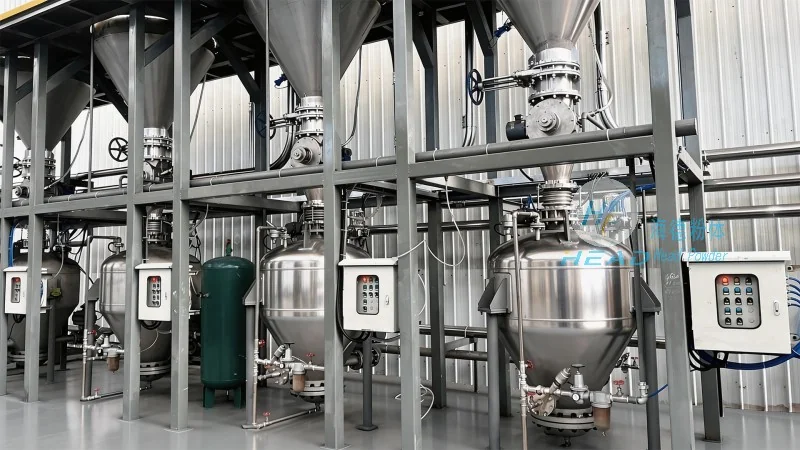
Positive pressure conveying, also known as pressure pneumatic conveying, operates by blowing air or gas into the conveying line under pressure, typically using a positive displacement blower or a rotary lobe pump. The high-pressure air creates a flow that propels the yeast powder through the pipeline. This method is particularly effective for conveying materials over long distances or through complex network systems, as the pressure ensures consistent material movement even in vertical or horizontal sections. One of the key benefits of positive pressure conveying is its ability to handle abrasive or sticky materials without causing excessive wear on the system components. Additionally, this system allows for the integration of multiple feeding points and can be easily adapted to handle varying material flow rates. For yeast powder, which may contain particles that are prone to agglomeration, the high velocity of the air in positive pressure systems helps to break up clumps and maintain a consistent particle size distribution, reducing the risk of clogging in the pipeline.
Key Advantages of Positive Pressure Conveying for Yeast Powder
When considering the use of positive pressure conveying for yeast powder, several advantages stand out. First, the system's ability to handle long-distance transport makes it ideal for facilities with multiple production or storage locations. The consistent pressure ensures that the yeast powder is conveyed at a steady rate, minimizing variations in flow that could affect downstream processes such as mixing or packaging. Second, the positive pressure system is less susceptible to external air infiltration, which is crucial for maintaining the hygienic standards required in food processing industries. By keeping the conveying line under pressure, the system prevents contaminants from entering and ensures that the yeast powder remains in a controlled environment. Third, the equipment used in positive pressure conveying, such as rotary lobe blowers, is generally more robust and durable, reducing the need for frequent maintenance and downtime. This reliability is essential for continuous production operations where any interruption can lead to significant losses.
Negative Pressure Conveying: Operational Principles and Suitability
Negative pressure conveying, or vacuum pneumatic conveying, works by creating a vacuum in the conveying line, which draws the yeast powder from the source into the system. This method typically uses a vacuum pump or a rotary vane pump to create the suction force. Unlike positive pressure systems, negative pressure conveying is more suitable for shorter distances and simpler pipeline configurations, as the vacuum may not be strong enough to overcome significant resistance over long or complex routes. However, this method excels in applications where the material needs to be collected from multiple points or where the source is located at a higher elevation than the destination. For yeast powder, negative pressure conveying is often preferred when the material is to be transported from a silo or hopper to a processing unit, as the vacuum helps to draw the powder without the need for additional mechanical feeding devices.
Advantages and Limitations of Negative Pressure Conveying for Yeast Powder
While negative pressure conveying offers several benefits, it also has inherent limitations that must be considered when handling yeast powder. One of the primary advantages is its ability to handle materials that are sensitive to high pressure or high velocity, as the vacuum creates a gentler conveying environment. This is particularly important for yeast powder, which may contain delicate particles that could be damaged by the high air speeds in positive pressure systems. Additionally, negative pressure systems are generally more cost-effective to install and operate, as they require less powerful equipment and can be integrated with existing vacuum systems in many facilities. However, the main limitation is the system's inability to handle long distances or complex networks effectively. Over long pipelines, the vacuum may drop, leading to reduced conveying efficiency or even system failure. Another drawback is the potential for air leakage, which can compromise the system's performance and lead to product contamination. For yeast powder, this means that negative pressure conveying may not be suitable for facilities that require the material to be transported over extended distances or through multiple processing stages.
Comparative Analysis: Positive Pressure vs. Negative Pressure Conveying for Yeast Powder
When comparing positive and negative pressure conveying for yeast powder, several factors must be evaluated to determine the most suitable method. The first consideration is the distance and complexity of the conveying route. Positive pressure systems are generally preferred for long-distance or complex network applications, as they can maintain consistent pressure and flow over extended pipelines. Negative pressure systems, on the other hand, are better suited for shorter distances and simpler configurations. The second factor is the material's properties, such as particle size, moisture content, and tendency to agglomerate. Yeast powder, with its fine particles and potential for clumping, benefits from the high velocity and pressure of positive pressure systems, which help to maintain particle integrity and prevent clogging. However, if the yeast powder is highly sensitive to air flow or contains delicate particles, negative pressure conveying may be a better choice to avoid damage. The third factor is the operational environment and hygiene requirements. Positive pressure systems are often preferred in food processing industries due to their ability to maintain a sealed, pressure-controlled environment, which reduces the risk of contamination. Negative pressure systems, while still hygienic, may require additional filtration to prevent dust from escaping into the environment. The fourth factor is the cost and maintenance considerations. Positive pressure systems typically require more powerful and expensive equipment, leading to higher initial costs and maintenance expenses. Negative pressure systems, being less complex, offer lower upfront costs and reduced maintenance requirements. Ultimately, the choice between positive and negative pressure conveying depends on the specific needs of the facility, including the scale of operation, the distance of transport, the material properties, and the budget constraints.
Conclusion: Selecting the Right Pneumatic Conveying System for Yeast Powder
For businesses in the yeast powder industry, selecting the appropriate pneumatic conveying system is a critical decision that impacts operational efficiency, product quality, and overall costs. Positive pressure conveying offers the advantages of long-distance transport, consistent flow, and robust equipment, making it suitable for large-scale facilities with complex pipeline networks. Negative pressure conveying, with its gentler conveying environment and lower costs, is ideal for shorter distances and applications where material sensitivity is a primary concern. By understanding the operational principles, advantages, and limitations of both systems, companies can make an informed decision that aligns with their specific requirements. HeadPowder, with its expertise in pneumatic conveying solutions, provides tailored systems that optimize material handling for yeast powder, ensuring that businesses can achieve their production goals while maintaining the highest standards of product quality and operational efficiency. Whether choosing positive or negative pressure conveying, the key is to select a system that meets the unique challenges of yeast powder handling and supports the long-term success of the operation.