Types, Features, and Applications of Dry Material Pneumatic Conveying Systems
Release time:2026-09-14 10:47:18
name of the company:Shandong Headpowder Engineering Co., Ltd.
telephone:156-6277-7102
contacts:Manager Zhang
Dry material pneumatic conveying systems are essential in industrial processes for transporting bulk materials efficiently. These systems utilize air or other gases to move dry powders, granules, and other particulate materials from one location to another. The technology offers advantages such as minimal product contamination, reduced risk of dust explosions, and the ability to handle materials in a closed system, which enhances safety and environmental compliance.
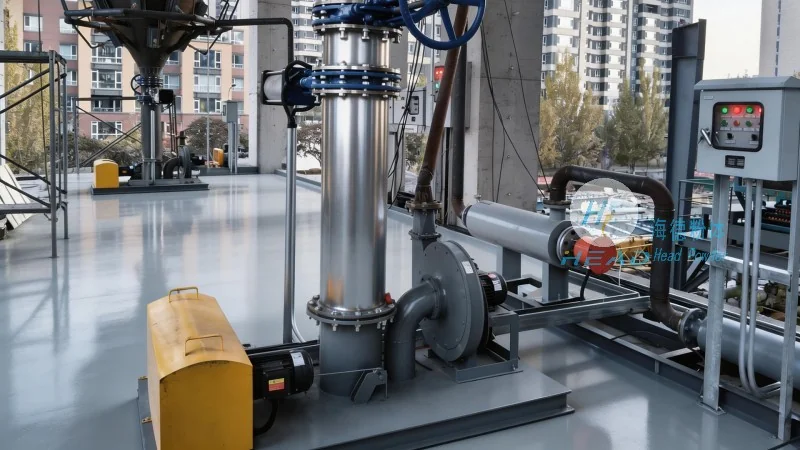
Types of Dry Material Pneumatic Conveying Systems
There are several types of dry material pneumatic conveying systems, each designed for specific material characteristics and operational requirements. The primary categories include:
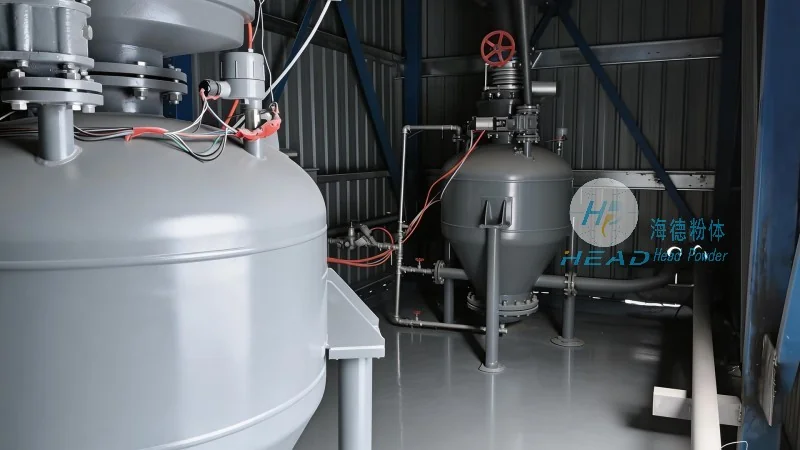
- Positive Pressure Systems: These systems operate by blowing air or gas into the conveying line, creating a positive pressure that pushes the material forward. They are suitable for materials that are free-flowing and non-abrasive, and are commonly used in applications where the material is transported over short distances.
- Negative Pressure (Vacuum) Systems: In contrast, negative pressure systems use a vacuum to draw material into the conveying line. This method is ideal for materials that are dusty or require a closed environment to prevent contamination, and is often used for long-distance or high-volume transport.
- Combined Systems: Some applications may require a combination of positive and negative pressure, such as in systems that need to transport materials from multiple sources or over varying distances. These hybrid systems offer flexibility and can handle a wider range of material types and operational conditions.
Key Features of Dry Material Pneumatic Conveying Systems
Several key features make dry material pneumatic conveying systems a preferred choice for many industries. These features include:
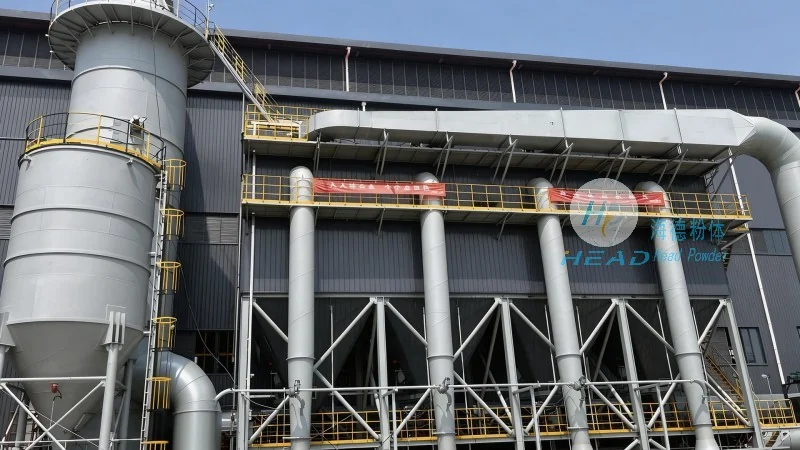
- Efficiency and Speed: Pneumatic conveying systems can transport materials at high speeds, reducing overall processing time and increasing production throughput. The ability to handle large volumes in a short period makes them suitable for high-demand applications.
- Minimal Product Contamination: Since the material is transported in a closed system, there is little to no risk of contamination from external sources. This is particularly important for food, pharmaceutical, and other sensitive materials where purity is critical.
- Reduced Downtime: The design of these systems allows for easy maintenance and cleaning, minimizing downtime during operation. The absence of moving parts in the conveying line reduces the risk of mechanical failure, ensuring consistent performance.
- Environmental Safety: By containing the material within a sealed system, pneumatic conveying reduces dust emissions and prevents the spread of airborne particles. This enhances workplace safety and compliance with environmental regulations.
Application Ranges of Dry Material Pneumatic Conveying Systems
Dry material pneumatic conveying systems are widely used across various industries due to their versatility and adaptability. The following are common application ranges:
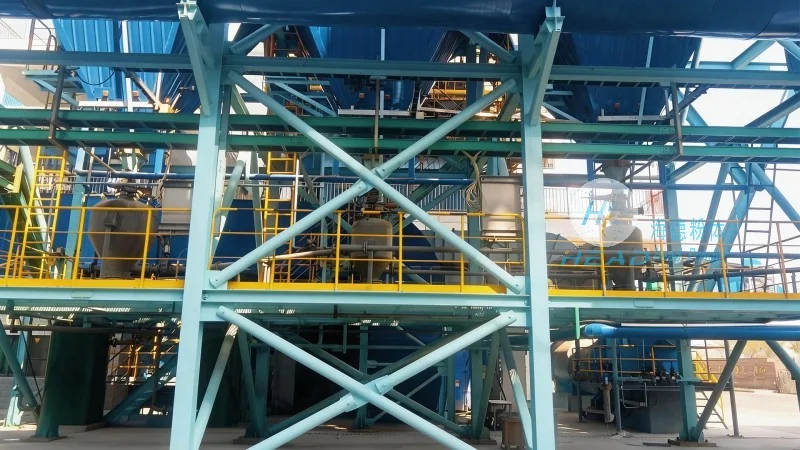
- Food and Pharmaceutical Industries: These sectors require strict hygiene and contamination control. Pneumatic conveying systems are used to transport ingredients, powders, and finished products, ensuring that the materials remain pure and free from contaminants.
- Chemical and Petrochemical Industries: In these industries, materials such as powders, granules, and bulk chemicals are transported safely and efficiently. The systems help in handling abrasive and corrosive materials while maintaining environmental safety.
- Mineral and Mining Industries: Pneumatic conveying is used to transport raw materials like ores, minerals, and coal from mines to processing facilities. The technology is robust and can handle the high volumes and abrasive nature of these materials.
- Plastics and Rubber Industries: These industries rely on pneumatic conveying to transport raw materials like plastic pellets, rubber powders, and additives. The systems ensure consistent quality and reduce the risk of material degradation during transport.
- Construction Materials: Dry material pneumatic conveying is used in the transportation of cement, sand, and other construction materials. The technology helps in reducing labor costs and improving the efficiency of material handling in construction sites.
About Shandong HeadPowder Engineering Co., Ltd.
Shandong HeadPowder Engineering Co., Ltd., commonly known as headpowder, is a leading manufacturer and supplier of dry material pneumatic conveying systems. With a strong focus on innovation and quality, the company has established itself as a trusted partner in the industry. Headpowder's products are designed to meet the specific needs of various applications, ensuring reliable and efficient material transport. The company's headquarters is located in Shandong, China, where it continues to develop advanced solutions for the global market.

 Shandong Headpowder Engineering Co., Ltd.
 156-6277-7102(Manager Zhang)
  0531-83386006
  Zhangqiu District, Jinan City, Shandong Province, China