

Types and Characteristics of Sesame Pneumatic Conveying Systems and Their Application Ranges
HeadPowder, a leading engineering firm based in Shandong, China, specializes in the design and implementation of advanced pneumatic conveying solutions tailored for the sesame processing industry. The company’s expertise lies in developing efficient systems that address the unique challenges of handling sesame seeds, ensuring optimal performance, and enhancing operational productivity. This article explores the various types of sesame pneumatic conveying systems, their key characteristics, and the diverse application ranges where they are effectively utilized.
Types of Sesame Pneumatic Conveying Systems
There are primarily two main categories of pneumatic conveying systems used for sesame: positive pressure and negative pressure systems. Each type has distinct operational principles and is suited to different processing scenarios.
Positive Pressure Systems
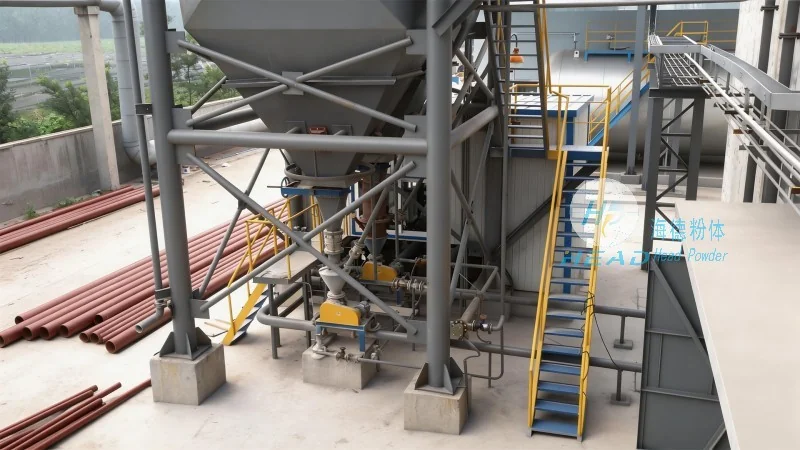
Positive pressure systems operate by blowing air or gas into the conveying line, propelling the material forward. This method is particularly effective for conveying materials over longer distances and through complex layouts. In the context of sesame, positive pressure systems are often preferred when the material needs to be transported from a central processing unit to multiple storage or processing points. The system typically includes a blower, a hopper for material storage, and a series of pipes with appropriate valves and filters. The positive pressure approach ensures that the material is continuously moved, reducing the risk of clogging and maintaining consistent flow rates.
Negative Pressure Systems
Negative pressure systems, also known as vacuum systems, work by creating a vacuum in the conveying line, drawing the material into the system. This method is ideal for applications where the material needs to be collected from multiple sources or where the environment requires minimal dust dispersion. For sesame processing, negative pressure systems are commonly used in environments where dust control is critical, such as in facilities with strict air quality regulations. The system comprises a vacuum pump, collection hoppers, and a network of pipes that can be connected to various processing points. Negative pressure systems are generally more suitable for shorter conveying distances and for handling materials that are more prone to dust generation.
Key Features of Sesame Pneumatic Conveying Systems
The effectiveness of a sesame pneumatic conveying system is determined by several key features that enhance its performance and reliability. These features are designed to address the specific properties of sesame seeds, such as their small size, high oil content, and susceptibility to breakage.
Material Handling Efficiency
Efficiency is a critical feature, as it directly impacts the overall throughput of the processing line. Advanced systems use optimized air flow rates and pipe diameters to ensure that the material is conveyed at the desired speed without excessive energy consumption. The use of high-quality materials for the conveying pipes, such as stainless steel or food-grade plastic, prevents material degradation and maintains the integrity of the sesame seeds. Additionally, the incorporation of inline filters and cyclones helps to separate any fines or dust from the conveying stream, preventing blockages and ensuring consistent material quality.
Dust Control and Environmental Compliance
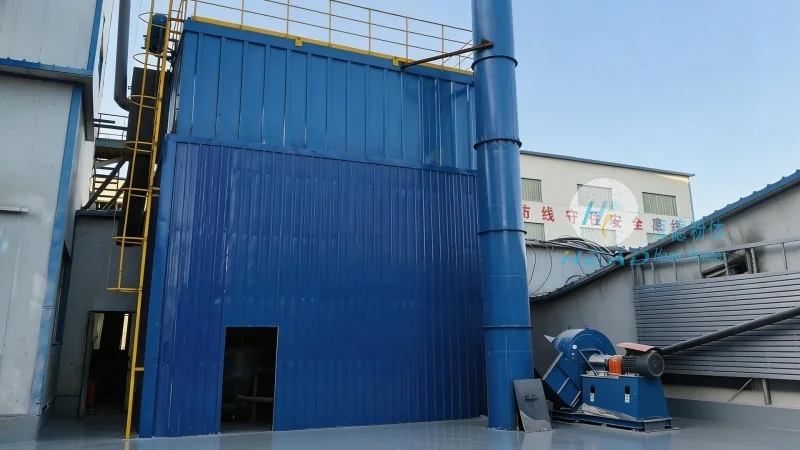
Sesame processing generates significant dust, which can pose health and safety risks as well as environmental concerns. Modern pneumatic conveying systems incorporate robust dust control measures, including sealed hoppers, vacuum pumps with low emissions, and filtration systems that meet regulatory standards. The use of negative pressure systems, as mentioned earlier, is particularly beneficial in reducing dust dispersion, as they draw material into the system rather than expelling it into the environment. This feature is essential for facilities operating in compliance with environmental regulations and for maintaining a safe working environment for personnel.
Customization and Scalability
Another important feature is the ability to customize the system to meet the specific needs of the sesame processing facility. HeadPowder offers tailored solutions that can be scaled to accommodate varying production volumes and processing requirements. Whether a small-scale operation or a large industrial plant, the systems can be designed to integrate seamlessly with existing equipment and infrastructure. The modular design of the systems allows for easy expansion or modification as the business grows, ensuring long-term investment value.
Application Ranges of Sesame Pneumatic Conveying Systems
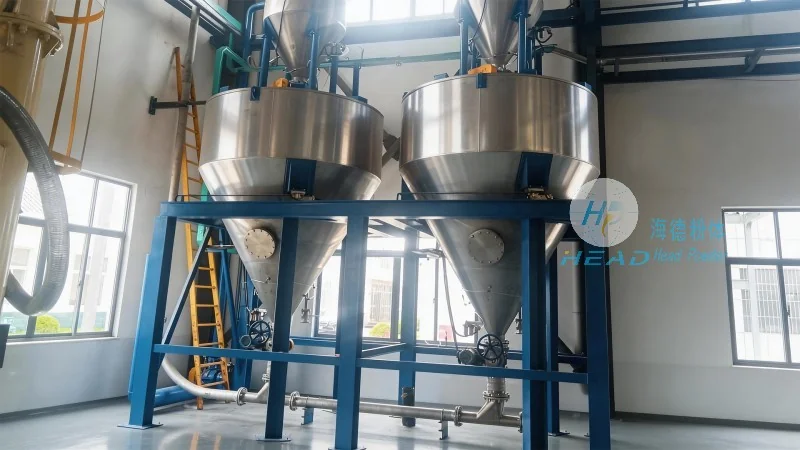
Sesame pneumatic conveying systems are widely used across various stages of the sesame processing industry, from raw material handling to finished product packaging. Their versatility and efficiency make them indispensable in modern processing facilities.
Raw Material Handling and Storage
At the initial stage of processing, pneumatic conveying systems are used to transport raw sesame seeds from storage silos or trucks to the processing plant. This method is particularly advantageous for facilities located in remote areas, as it eliminates the need for manual handling and reduces the risk of contamination. The systems can handle large volumes of material quickly and efficiently, ensuring a steady supply of raw ingredients for the production line.
Processing and Sorting
During the processing stage, pneumatic conveying is used to move sesame seeds through various operations such as cleaning, dehulling, and roasting. The systems can be integrated with sorting equipment to separate different grades of sesame based on size, color, or quality. For example, after roasting, the seeds may be conveyed to a cooling unit or a packaging line. The ability to transport material at high speeds and with minimal disruption allows for efficient processing and reduces downtime.
Finished Product Packaging
In the final stage, pneumatic conveying systems are used to transport finished sesame products, such as roasted sesame seeds or sesame paste, to the packaging area. The systems can handle both bulk and packaged products, ensuring that the final product reaches the packaging line in a clean and controlled manner. This feature is crucial for maintaining product quality and preventing cross-contamination, especially in food processing applications.