With more than 10‑year industry experience, Shandong Headpowder delivers full‑service pneumatic‑conveying systems and blowers, undertaking nationwide turn‑key powder‑handling projects.
HeadPowder, a leading engineering firm based in Shandong, China, specializes in the design and implementation of advanced pneumatic conveying systems for handling fine powders like silica micropowder. This article provides a detailed overview of the design principles, key components, and operational considerations for a silica micropowder pneumatic conveying system, tailored to meet industrial efficiency and material integrity requirements.
Shandong HeadPowder Engineering Co., Ltd., commonly known as HeadPowder, is a reputable engineering company headquartered in Shandong Province, China. With years of experience in powder handling technology, HeadPowder has developed expertise in designing customized pneumatic conveying solutions for various industrial applications. The company’s team of engineers and technicians focuses on optimizing material flow, minimizing product degradation, and ensuring safe and efficient operation of conveying systems. By leveraging advanced engineering principles and industry best practices, HeadPowder delivers high-performance pneumatic conveying systems that meet the specific needs of clients in sectors such as chemical, pharmaceutical, and food processing.
The design of a silica micropowder pneumatic conveying system involves several critical objectives to ensure optimal performance and reliability. First, the system must effectively handle the unique properties of silica micropowder, which includes its fine particle size, low bulk density, and potential for static charge accumulation. These characteristics require specialized design considerations to prevent clogging, ensure consistent flow, and maintain product quality. Second, the system should minimize material degradation during transport, as silica micropowders are often sensitive to friction, impact, and exposure to air. This involves selecting appropriate materials for components that come into contact with the powder, such as stainless steel or corrosion-resistant alloys, and implementing features like smooth internal surfaces and gentle acceleration to reduce particle breakage. Third, the system must prioritize safety and operational efficiency, incorporating elements like pressure relief valves, dust collection systems, and automated control mechanisms to enhance user safety and reduce downtime. Additionally, the design aims to maximize energy efficiency by optimizing air flow rates and minimizing energy consumption while maintaining the required conveying capacity.
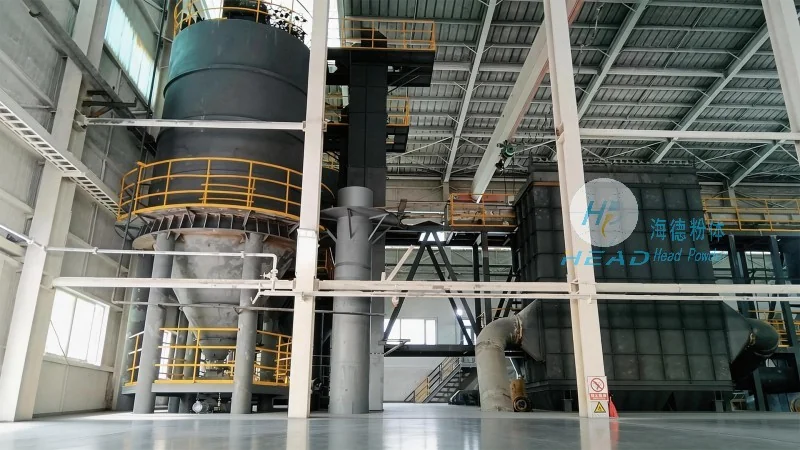
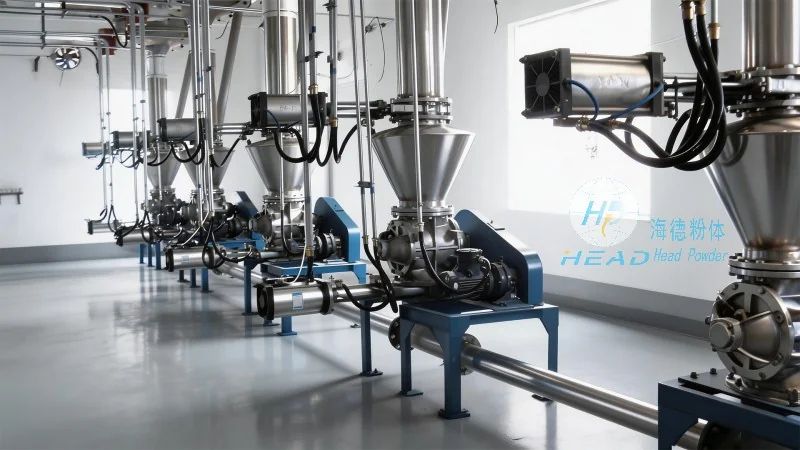
A silica micropowder pneumatic conveying system typically consists of several key components that work in tandem to achieve efficient material transport. The primary components include a hopper or feeder for material storage and feeding, a conveying line (usually made of stainless steel or plastic) that transports the powder, a blower or compressor to generate the necessary air pressure, and a receiver or discharge hopper for material collection. The hopper is designed with a sloped bottom and a discharge valve to ensure smooth material flow and prevent clogging. The conveying line is often equipped with internal baffles or liners to prevent particle buildup and maintain consistent flow rates. The blower or compressor provides the motive force, with adjustable pressure settings to accommodate different conveying distances and material characteristics. The receiver is designed to collect the conveyed powder and may include a dust collection system to capture any airborne particles and ensure environmental compliance. Other optional components may include a filter system to remove fine particles from the exhaust air, a vacuum or pressure control valve to regulate system pressure, and a control panel to monitor and adjust system parameters in real-time.
Effective material handling is a critical aspect of the silica micropowder pneumatic conveying system design. The system must be capable of handling the fine particle size of silica micropowder, which can range from 1 to 100 microns, depending on the application. The hopper and feeder are designed to provide a consistent feed rate, preventing surges or fluctuations that could lead to clogging or uneven flow. The use of a rotary valve or screw feeder can help maintain a steady material flow, especially when dealing with cohesive or sticky powders. The conveying line is typically sized based on the required conveying capacity and the air velocity needed to suspend the particles. Air velocity is a key parameter, as it must be high enough to keep the particles suspended but not so high as to cause excessive wear on the system components or degrade the powder. The system may also include features like pulse-jet cleaning to maintain the cleanliness of the conveying line and prevent material buildup over time.
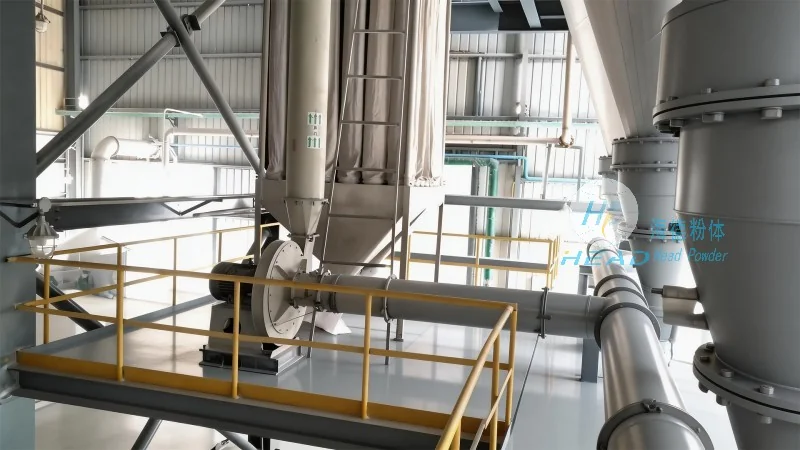
The performance of a silica micropowder pneumatic conveying system is evaluated based on several factors, including conveying capacity, pressure drop, energy efficiency, and material recovery rate. Conveying capacity refers to the amount of powder that can be transported per unit time, which is determined by the system design and operating conditions. Pressure drop across the conveying line is an important metric, as it indicates the energy required to move the material and can affect the overall system efficiency. Lower pressure drop is desirable, as it reduces energy consumption and extends the lifespan of the blower or compressor. Energy efficiency is a key consideration for industrial applications, as it directly impacts operational costs. The system’s design should aim to minimize energy consumption while maintaining the required conveying capacity. Material recovery rate refers to the percentage of the conveyed powder that is collected in the receiver, with minimal loss due to leakage or spillage. This is achieved through proper sealing of the system components and the use of efficient discharge mechanisms.
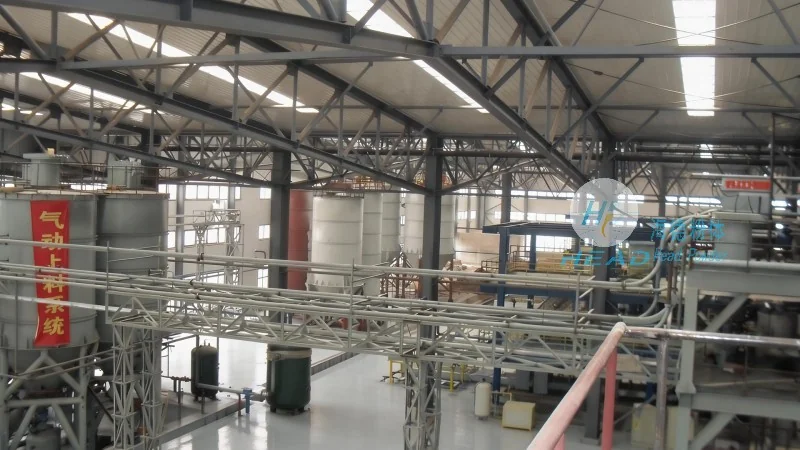
Safety and environmental compliance are essential aspects of the silica micropowder pneumatic conveying system design. The system must be designed to prevent dust explosions, which can occur when fine powders are suspended in air and ignited. This involves implementing explosion-proof designs for the blower and other electrical components, as well as providing adequate ventilation and dust collection systems. The system should also include safety features like pressure relief valves, emergency shut-off valves, and interlocks to prevent accidental operation. Environmental considerations include minimizing dust emissions and ensuring proper disposal of any waste materials. The use of dust collection systems and filtration can help reduce airborne particle emissions and meet environmental regulations. Additionally, the system should be designed to be easily maintained and cleaned, with access points for inspection and maintenance to ensure long-term reliability and safety.
HeadPowder’s pneumatic conveying systems are highly customizable to meet the specific needs of different industrial applications. The design can be tailored to handle various silica micropowder types, including different particle sizes, moisture contents, and chemical compositions. The system can be adapted for different conveying distances, from short distances within a facility to long-distance transport between plants. The control system can be integrated with existing plant automation systems, allowing for seamless integration and remote monitoring. HeadPowder also offers after-sales support, including maintenance services, spare parts supply, and technical assistance, to ensure the long-term performance and reliability of the system. The company’s expertise in powder handling technology enables it to provide customized solutions that address the unique challenges of each client, ensuring optimal performance and cost-effectiveness.

 Shandong Headpowder Engineering Co., Ltd.
 156-6277-7102(Manager Zhang)
  0531-83386006
  Zhangqiu District, Jinan City, Shandong Province, China
telephone
WeChatconsult
top