

Principle and Classification Application of Ash Slag Pneumatic Conveying
As a specialized engineering company, Shandong HeadPowder Engineering Co., Ltd. focuses on providing advanced solutions for ash slag handling and transportation. This article introduces the fundamental principles and practical applications of pneumatic conveying systems designed for ash slag, a critical byproduct in thermal power plants and industrial processes.
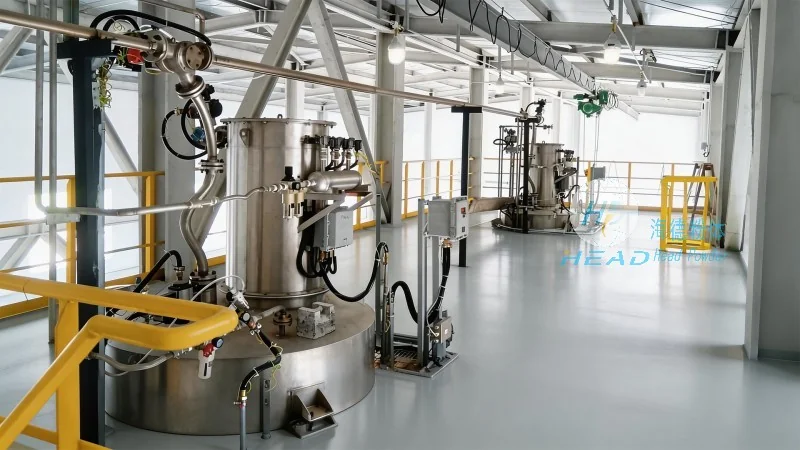
Introduction to Ash Slag Pneumatic Conveying Systems
Ash slag, also known as fly ash or bottom ash, is a solid waste generated during the combustion of fossil fuels in power generation and industrial facilities. Efficient and reliable transportation of these materials is essential for environmental compliance and operational efficiency. Pneumatic conveying offers a non-contact, low-maintenance method to transport ash slag over long distances, minimizing dust emissions and reducing the risk of material degradation.
Principle of Pneumatic Conveying for Ash Slag
The core principle of pneumatic conveying involves transporting solid materials using a stream of air or gas. In ash slag applications, this system typically consists of a hopper to store the material, a conveyor line (either positive or negative pressure), and a receiver for the discharged material. The process can be categorized into two main types: positive pressure and negative pressure systems, each with distinct operational characteristics and suitability for different ash slag properties and distances.
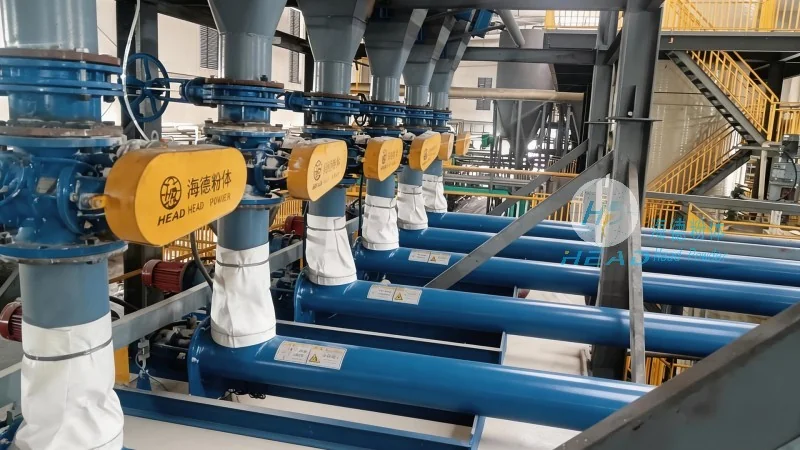
Classification of Pneumatic Conveying Systems
Based on the pressure differential and material handling requirements, pneumatic conveying systems for ash slag are classified into several types. The primary classifications include:
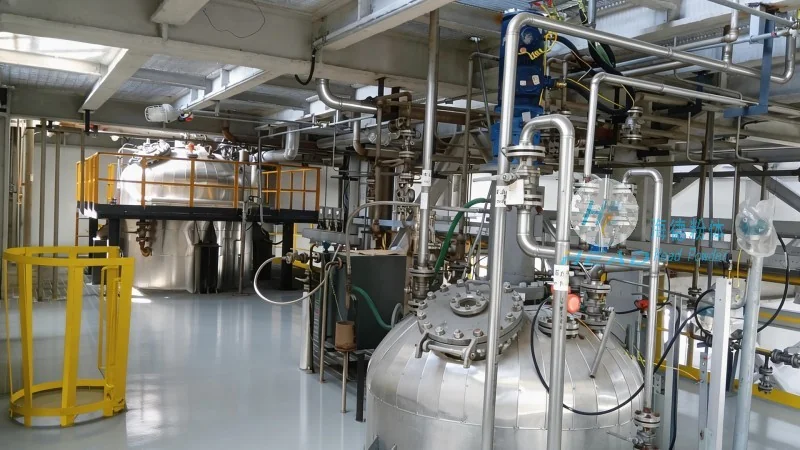
- Trunk Line Conveying: Used for long-distance transportation over several hundred meters, this system uses a large-diameter pipeline with positive pressure to move large volumes of ash slag efficiently.
- Loop Conveying: Suitable for medium distances and high material flow rates, loop systems involve a closed loop with multiple branches, allowing for flexible material distribution.
- Pressure-Driven Dilute Phase Conveying: Ideal for fine ash particles, this method uses high-velocity air to suspend and transport the material, minimizing blockages and ensuring consistent flow.
- Negative Pressure (Vacuum) Conveying: Employed for shorter distances or when the ash slag needs to be collected from multiple sources, this system draws material into the pipeline using a vacuum, reducing air emissions and noise.
Application Examples and Benefits
Shandong HeadPowder Engineering Co., Ltd. has successfully implemented pneumatic conveying solutions for various ash slag handling scenarios. For instance, in thermal power plants, the system transports fly ash from the boiler to storage silos or disposal sites, ensuring compliance with environmental regulations. In industrial facilities, it handles bottom ash from incinerators, facilitating recycling and reuse of the material.
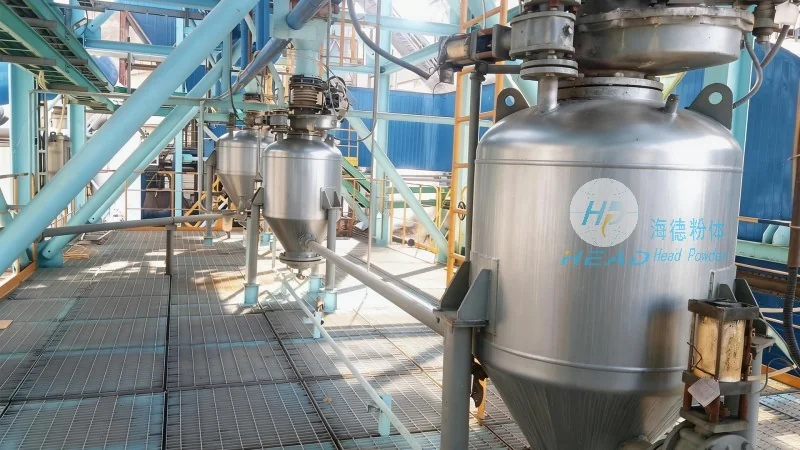
The benefits of pneumatic conveying for ash slag include:
- Reduced labor costs due to automated material transport.
- Lower maintenance requirements compared to traditional mechanical systems.
- Improved safety by eliminating manual handling of ash slag.
- Enhanced environmental performance with minimized dust and odor emissions.
Conclusion
As a leading provider of engineering solutions, Shandong HeadPowder Engineering Co., Ltd. leverages its expertise in pneumatic conveying technology to deliver customized systems for ash slag transportation. By understanding the specific characteristics of ash slag and the operational needs of clients, the company ensures that each system is optimized for efficiency, reliability, and compliance. The principles and classifications discussed here highlight the versatility and effectiveness of pneumatic conveying as a preferred method for handling ash slag in modern industrial applications.