

What is a Polypropylene Granule Material Handling System Equipment? What are its Design Principles?
For industrial applications involving polypropylene granules, efficient material handling is crucial to ensure smooth production processes and maintain product quality. A polypropylene granule material handling system equipment is a specialized device designed to transport and manage these granules within manufacturing facilities. This equipment plays a vital role in various industries, including plastics manufacturing, chemical processing, and packaging, where the reliable movement of polypropylene granules is essential for operational efficiency.
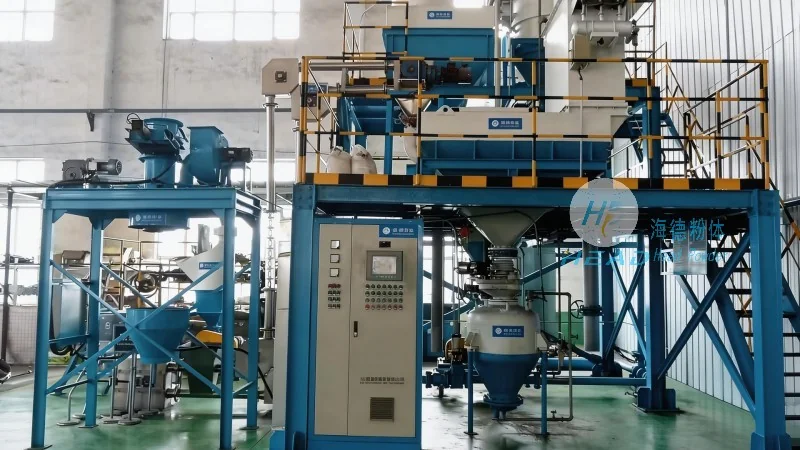
Overview of Polypropylene Granule Material Handling Systems
Polypropylene granule material handling systems are engineered to handle the unique properties of polypropylene, such as its lightweight, low density, and tendency to flow freely. These systems are typically composed of several key components that work in tandem to ensure effective material transport. The primary components include a feeding mechanism, a conveying system, a control unit, and sometimes a storage or processing unit. Each component is designed to address specific challenges associated with polypropylene granules, such as preventing clogging, maintaining uniform flow, and ensuring minimal material degradation.
Design Principles of Polypropylene Granule Material Handling Systems
The design principles of polypropylene granule material handling systems are centered around optimizing material flow, minimizing energy consumption, and ensuring durability under continuous operation. Engineers consider several factors when designing these systems, including the physical properties of polypropylene granules (e.g., size, shape, moisture content), the required throughput, and the operating environment. The feeding mechanism is often designed with a hopper or a rotary valve to regulate the flow of granules into the conveying system. This helps to prevent overloading and ensures a consistent feed rate. The conveying system, which may include screw conveyors, pneumatic conveyors, or belt conveyors, is selected based on the specific requirements of the application. Screw conveyors are commonly used for horizontal or slight incline transport due to their ability to handle a wide range of materials without clogging. Pneumatic conveyors, on the other hand, use air pressure to move granules through pipes, making them suitable for long-distance or vertical transport. The control unit, typically an electronic system, monitors and adjusts the operation of the feeding and conveying components to maintain optimal performance. This may include sensors to detect material levels, flow rates, or blockages, and actuators to adjust the speed or direction of the conveying system.
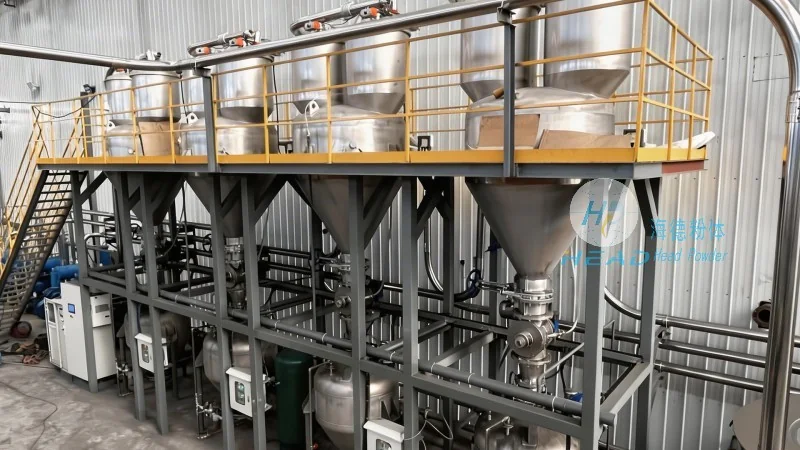
Key Features and Benefits of Polypropylene Granule Material Handling Systems
Modern polypropylene granule material handling systems incorporate several advanced features that enhance their performance and reliability. These features include variable speed drives, which allow for precise control over the conveying speed, and material flow sensors, which provide real-time data on the granule flow rate. The systems are also designed with materials that are resistant to corrosion and wear, ensuring long-term durability. The benefits of using such systems include improved production efficiency, reduced downtime due to maintenance, and enhanced product quality. By maintaining consistent flow and preventing material degradation, these systems contribute to cost savings and increased profitability for manufacturers. Additionally, the modular design of many polypropylene granule material handling systems allows for easy integration into existing production lines, minimizing the need for extensive modifications.
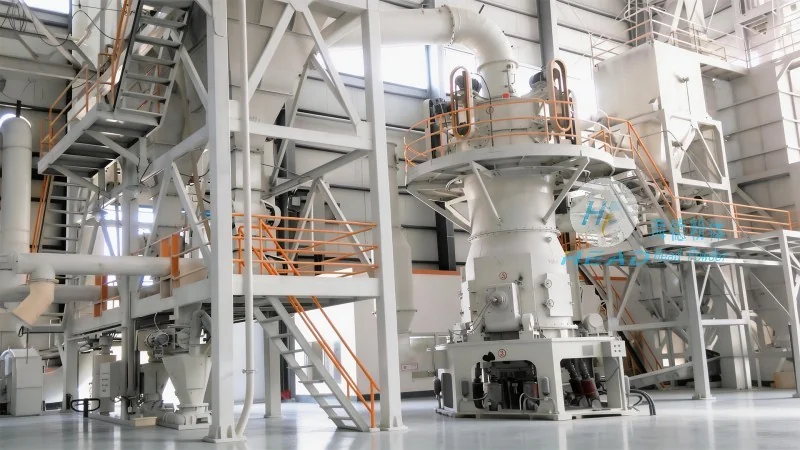
Application Examples and Industry Use Cases
Polypropylene granule material handling systems are widely used in various industrial applications. For instance, in plastics manufacturing, these systems are used to transport polypropylene granules from storage silos to extrusion machines, where they are melted and processed into plastic products. In chemical processing plants, they help move polypropylene granules between different processing stages, such as drying, mixing, and compounding. The systems are also employed in packaging facilities to transfer polypropylene granules to packaging machines for further processing. The versatility of these systems makes them suitable for a wide range of applications, from small-scale operations to large-scale industrial production. The consistent performance of polypropylene granule material handling systems ensures that manufacturers can meet their production targets while maintaining high standards of quality and safety.
Conclusion
In conclusion, polypropylene granule material handling systems are essential equipment for industries that rely on polypropylene granules. The design principles behind these systems focus on optimizing material flow, energy efficiency, and durability. By incorporating advanced features and materials, these systems provide significant benefits to manufacturers, including improved efficiency, reduced downtime, and enhanced product quality. As the demand for polypropylene products continues to grow, the importance of reliable material handling systems will only increase. Companies like Shandong HeadPowder Engineering Co., Ltd., based in China, specialize in designing and manufacturing such systems, providing tailored solutions to meet the specific needs of their clients. With their expertise and commitment to quality, these companies play a vital role in supporting the growth of the polypropylene industry.