With more than 10‑year industry experience, Shandong Headpowder delivers full‑service pneumatic‑conveying systems and blowers, undertaking nationwide turn‑key powder‑handling projects.
When designing a pneumatic conveying system for rapeseed, several critical factors must be considered to ensure efficient, reliable, and cost-effective operation. The system's performance is directly influenced by the material properties of rapeseed, the chosen conveying technology, and the overall system layout. This article outlines key design considerations that professionals in the agricultural processing industry should address when developing such systems.
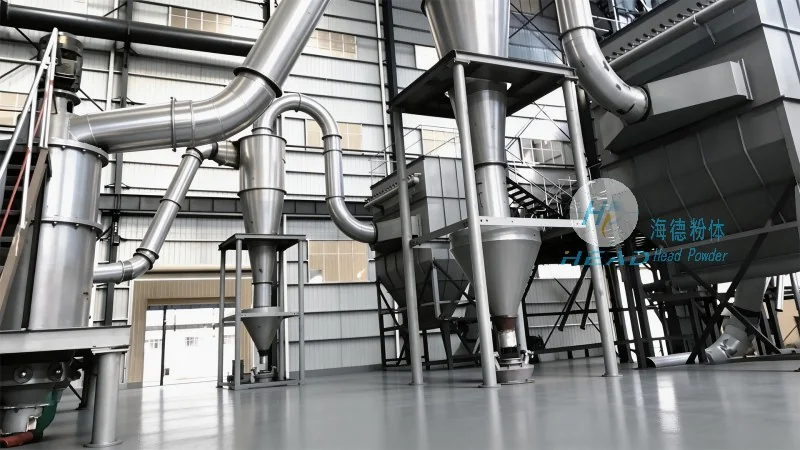
The physical and chemical properties of rapeseed significantly impact the design of a pneumatic conveying system. Rapeseed is a granular material with a relatively high bulk density and specific gravity, typically around 0.7 to 0.8 g/cm³. Its size distribution, which often ranges from 3 to 8 mm in diameter, affects the air velocity and pressure required for effective transport. Additionally, rapeseed may contain moisture, which can influence the material's flowability and the risk of caking or blockages within the system. Proper material analysis, including moisture content and particle size distribution, is essential for selecting the appropriate conveying method—such as dilute-phase or dense-phase systems—and determining the necessary air flow rates and pressure levels.
The layout of a pneumatic conveying system for rapeseed must be carefully planned to minimize energy consumption and maximize operational efficiency. Key components include the hopper, feeder, pipeline, and receiver. The hopper design should accommodate the bulk storage of rapeseed and ensure consistent material flow to the feeder. A well-designed feeder, such as a rotary valve or screw feeder, is crucial for maintaining a steady flow rate and preventing material buildup. The pipeline system must be sized appropriately to handle the air and material mixture, with considerations for pressure drop, which increases with pipeline length and diameter. Using smooth, corrosion-resistant materials like stainless steel for the pipeline is recommended to prevent material degradation and blockages. The receiver, where the rapeseed is discharged, should be designed to avoid product degradation and ensure easy cleaning.
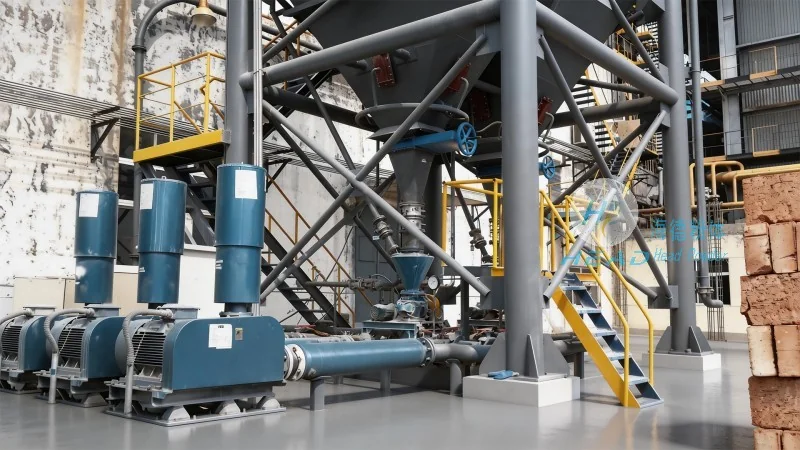
Effective air flow and pressure management are central to the performance of a rapeseed pneumatic conveying system. The air velocity must be sufficient to lift and transport the rapeseed particles but not so high as to cause excessive wear on system components or degrade the material. For dilute-phase systems, air velocities typically range from 20 to 30 m/s, while dense-phase systems operate at lower velocities (5 to 15 m/s) with higher material concentrations. The pressure required depends on the system's length, elevation changes, and the number of bends or fittings. Proper pressure control, often achieved through variable frequency drives (VFDs) on the blower or fan, ensures energy efficiency and prevents overpressurization that could lead to system failures or material spillage. Regular monitoring of air pressure and flow rates is essential for maintaining optimal system performance.
Blockages and component wear are common challenges in pneumatic conveying systems, especially when handling materials like rapeseed. To mitigate these issues, several design strategies can be implemented. For instance, incorporating cleaning mechanisms, such as pulse jets or rotary cleaning devices, into the pipeline can prevent material buildup. The use of wear-resistant materials, such as ceramic or hard chrome plating, for components like elbows and bends reduces the risk of premature wear. Additionally, maintaining proper air-to-material ratios and avoiding excessive material concentration in the system helps prevent clogging. Regular maintenance and inspection of the system, including checking for wear on components and ensuring proper alignment, are critical for extending the system's lifespan and minimizing downtime.
A pneumatic conveying system for rapeseed should be integrated seamlessly with the overall processing facility to ensure smooth material flow from storage to processing stages. This includes coordinating with other equipment, such as cleaning or crushing machinery, to maintain consistent material supply. The system's design should account for the location of the hopper, feeder, and receiver relative to other processing equipment to minimize material handling distances and reduce energy consumption. Proper sealing of connections between the conveying system and processing equipment is also important to prevent dust emissions and maintain product quality. By integrating the system effectively, manufacturers can enhance operational efficiency and reduce the risk of material loss or contamination.
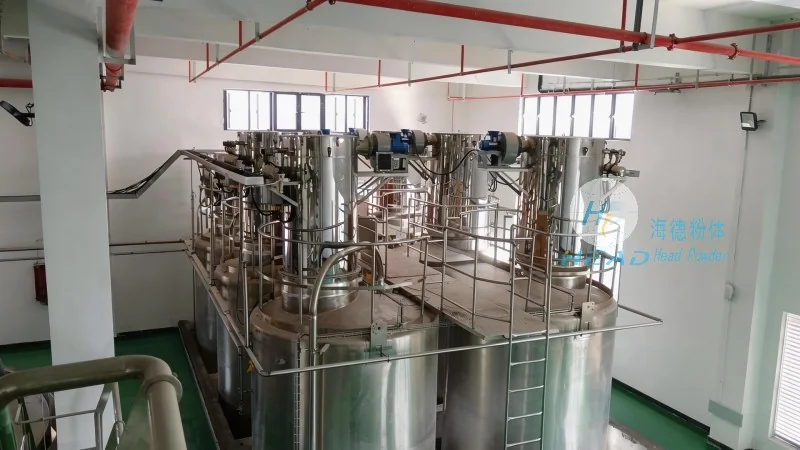
Designing a pneumatic conveying system for rapeseed must also address environmental and safety concerns. The system should be equipped with dust collection and filtration systems to minimize air pollution and comply with environmental regulations. Proper ventilation and explosion-proof measures are necessary, especially in areas where the system operates at high pressures or temperatures. Additionally, the system should include safety features, such as pressure relief valves and emergency shutdown mechanisms, to prevent accidents and protect personnel. Compliance with local safety standards and regulations is essential to ensure the system operates safely and without risk to workers or the environment.
Shandong HeadPowder Engineering Co., Ltd., a leading provider of pneumatic conveying solutions, has successfully designed and implemented a rapeseed pneumatic conveying system for a major agricultural processing plant in China. The system, tailored to the client's specific requirements, included a hopper with a capacity of 50 tons, a rotary valve feeder, and a 200-meter pipeline system. By carefully analyzing the rapeseed's material properties and optimizing the air flow and pressure, the system achieved a conveying efficiency of over 95%, with minimal energy consumption. The client reported significant improvements in operational efficiency and reduced downtime compared to traditional belt or bucket elevators. This case study highlights the importance of considering all design factors and the expertise required to develop a reliable and efficient pneumatic conveying system for rapeseed.

 Shandong Headpowder Engineering Co., Ltd.
 156-6277-7102(Manager Zhang)
  0531-83386006
  Zhangqiu District, Jinan City, Shandong Province, China
telephone
WeChatconsult
top