With more than 10‑year industry experience, Shandong Headpowder delivers full‑service pneumatic‑conveying systems and blowers, undertaking nationwide turn‑key powder‑handling projects.
When designing a dust gas-pneumatic conveying system for handling dust materials, several critical factors must be considered to ensure efficient operation, reliability, and longevity. The selection of the appropriate system type, proper equipment sizing, and meticulous attention to detail in system layout are all pivotal to achieving optimal performance. This article outlines essential design considerations that professionals should address when developing such systems, with a focus on practical implementation and industry best practices.
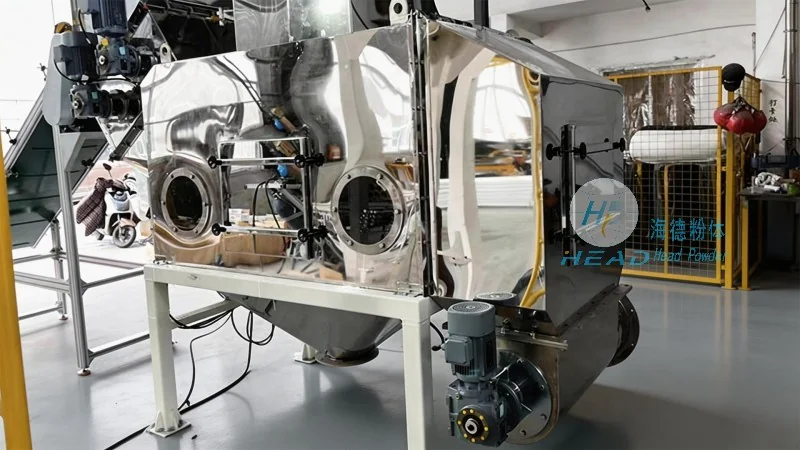
The first major decision in dust gas-pneumatic conveying system design is choosing between positive pressure and negative pressure systems. Positive pressure systems utilize a blower to force air and material through the pipeline, while negative pressure systems employ a vacuum to draw material into the system. The choice depends on the material's properties, the distance to be conveyed, and the desired level of containment. For instance, positive pressure systems are often preferred for abrasive or corrosive dusts, as they offer better control over material flow and can handle higher material loads. Conversely, negative pressure systems are suitable for applications requiring minimal air leakage and where the material is less likely to cause blockages. HeadPowder Engineering, with its expertise in dust handling, advises selecting the system type based on a thorough analysis of the material's characteristics, such as particle size, moisture content, and flowability.
Proper sizing of key components like the blower, cyclone separator, and air filter is crucial for system efficiency. The blower must generate sufficient pressure and airflow to move the dust through the pipeline without excessive energy consumption. Over-sizing can lead to unnecessary power costs, while under-sizing may result in poor material transport or system blockages. The cyclone separator, responsible for separating dust from the air stream, must be sized to handle the expected material flow rate and particle size distribution. A correctly sized separator ensures effective material recovery and prevents clogging. Additionally, the air filter must be selected to remove fine dust particles from the exhaust air, complying with environmental regulations and maintaining system cleanliness. HeadPowder's engineers use advanced computational fluid dynamics (CFD) and material testing to determine optimal equipment specifications, ensuring that each component is tailored to the specific application requirements.
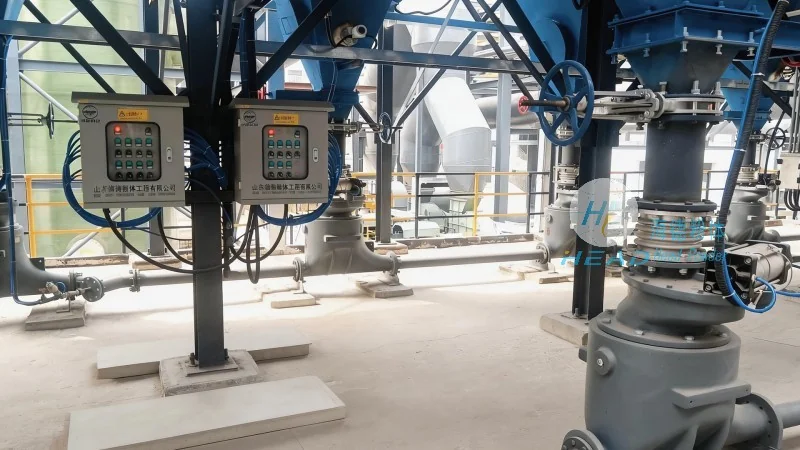
The design of the conveying pipeline is a critical aspect of system performance. The pipeline should be laid out to minimize bends and changes in direction, as these can cause pressure drops and material accumulation. Smooth, rounded bends are preferred over sharp angles to reduce friction and prevent material degradation. The pipeline diameter must be selected to balance material flow velocity and pressure drop. Typically, a higher velocity reduces the risk of blockages but increases energy consumption. HeadPowder recommends using a pipeline diameter that maintains a material velocity of 20-30 meters per second, which is sufficient to prevent settling while keeping energy costs manageable. The pipeline material, often stainless steel or PVC, must be resistant to corrosion and abrasion from the dust. Proper sealing at joints and connections is essential to prevent air leakage, which can reduce system efficiency and increase maintenance needs.
Before entering the conveying system, dust materials may require conditioning to improve their flowability. This can include adding moisture to dry, cohesive materials or using vibration to break up agglomerates. Conditioning is particularly important for materials with high moisture content or those prone to caking. HeadPowder offers specialized conditioning equipment, such as rotary airlocks and vibratory feeders, to ensure consistent material feeding and prevent blockages in the system. Proper material preparation not only enhances system performance but also extends the lifespan of components like the blower and cyclone separator.
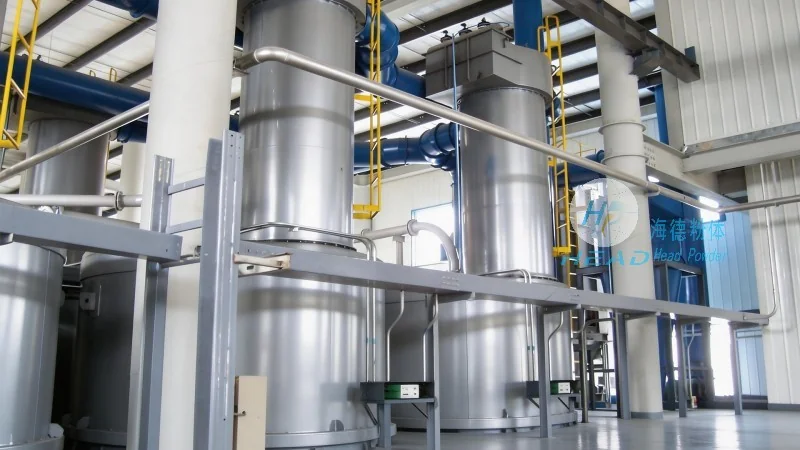
Designing a dust gas-pneumatic conveying system must also address environmental and safety requirements. The system must comply with local regulations regarding air emissions and noise levels. The use of high-efficiency particulate air (HEPA) filters in the exhaust system can reduce dust emissions to meet environmental standards. Additionally, safety features such as pressure relief valves and emergency shutdown systems are essential to prevent accidents and protect personnel. HeadPowder Engineering incorporates these considerations into its designs, ensuring that the system operates safely and sustainably.
Regular maintenance is vital to the long-term performance of a dust gas-pneumatic conveying system. This includes cleaning the cyclone separator, replacing air filters, and inspecting the blower for wear and tear. HeadPowder provides maintenance services and recommends a preventive maintenance schedule to minimize downtime and extend equipment life. Operational tips, such as monitoring system pressure and flow rates, can help identify potential issues early and prevent system failures. By following these guidelines, users can ensure that their dust conveying system operates efficiently and reliably.

 Shandong Headpowder Engineering Co., Ltd.
 156-6277-7102(Manager Zhang)
  0531-83386006
  Zhangqiu District, Jinan City, Shandong Province, China
telephone
WeChatconsult
top