With more than 10‑year industry experience, Shandong Headpowder delivers full‑service pneumatic‑conveying systems and blowers, undertaking nationwide turn‑key powder‑handling projects.
Aluminum turnings, a byproduct of metalworking processes, require efficient and reliable transportation for various industrial applications. Pneumatic conveying systems offer a versatile solution for handling these lightweight, abrasive materials. However, the design of such systems demands careful consideration of several critical factors to ensure optimal performance, safety, and longevity. This article outlines key design considerations for aluminum turnings pneumatic conveying systems, emphasizing the expertise of Shandong HeadPowder Engineering Co., Ltd., a leading provider in the field.
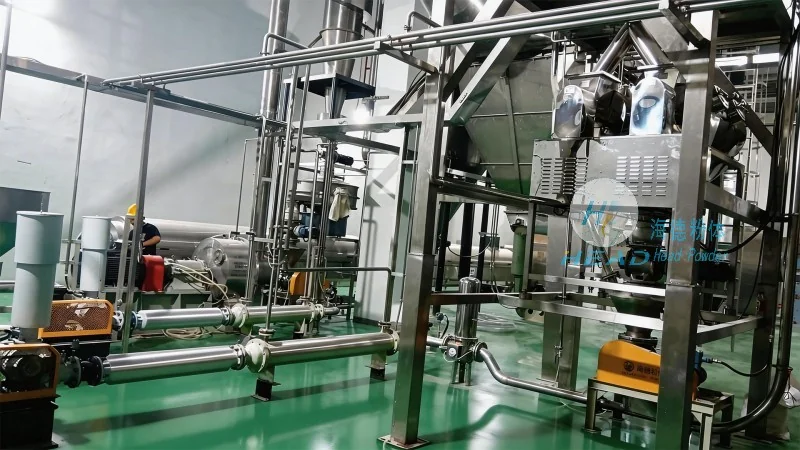
The physical and chemical properties of aluminum turnings significantly influence the selection of pneumatic conveying equipment. Aluminum turnings are typically lightweight, with a low bulk density, which affects air velocity requirements. They are also abrasive, capable of causing wear on system components like pipelines, valves, and cyclones. Additionally, the material may have varying particle sizes, requiring considerations for flow uniformity and system capacity. Shandong HeadPowder Engineering Co., Ltd. specializes in designing systems that account for these characteristics, ensuring that the conveying process is both efficient and durable.
Proper system sizing is fundamental to the success of aluminum turnings pneumatic conveying. This involves determining the appropriate air velocity, which must be high enough to lift and transport the material but not excessive to cause excessive wear or energy consumption. The system's capacity, measured in terms of material throughput, is another critical parameter. Engineers must calculate the required air volume and pressure to maintain consistent material flow. Shandong HeadPowder Engineering Co., Ltd. employs advanced computational fluid dynamics (CFD) and empirical formulas to accurately size the system, ensuring that the air flow is optimized for the specific aluminum turnings being handled.

The choice of materials for system components is crucial, especially when dealing with abrasive aluminum turnings. Components such as pipelines, elbows, and fittings must be constructed from wear-resistant materials like stainless steel or specialized alloys to withstand the abrasive nature of the material. Valves, particularly rotary and slide valves, need to be designed with durable seals and actuation mechanisms to prevent leakage and maintain system integrity. Cyclones and filters, used for material separation and air purification, must be built to handle the specific particle size distribution and density of aluminum turnings. Shandong HeadPowder Engineering Co., Ltd. selects components that are not only compatible with the material but also meet industry standards for performance and longevity.
Aluminum turnings pneumatic conveying systems can operate under either positive pressure (pressure conveying) or negative pressure (vacuum conveying). Positive pressure systems are often preferred for long-distance or high-capacity applications, as they can handle larger particle sizes and provide more consistent flow. Vacuum systems, on the other hand, are suitable for shorter distances or when the material needs to be collected from multiple sources. The choice between pressure and vacuum depends on factors such as the distance between the source and destination, the required material throughput, and the system's energy efficiency. Shandong HeadPowder Engineering Co., Ltd. designs systems that leverage the most appropriate conveying method based on the specific operational requirements, ensuring cost-effective and reliable performance.
Effective integration of the pneumatic conveying system with other industrial processes is essential for seamless operation. This includes coordinating with feeding mechanisms, storage silos, and downstream processing equipment. The system must be equipped with reliable control systems that monitor air pressure, material flow, and system performance in real-time. Automated controls can enhance operational efficiency, reduce downtime, and improve safety by preventing overloading or system failures. Shandong HeadPowder Engineering Co., Ltd. provides comprehensive system integration services, ensuring that the aluminum turnings pneumatic conveying system operates in harmony with the overall production line.
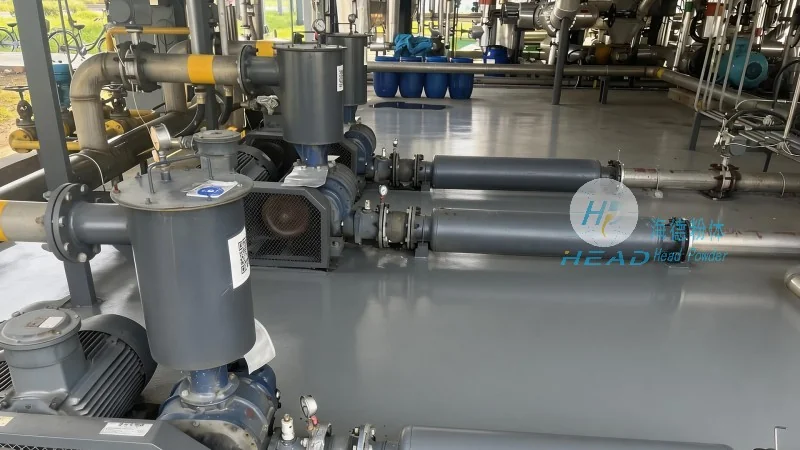
Regular maintenance is critical to the long-term performance and reliability of aluminum turnings pneumatic conveying systems. This includes routine inspections of wear components, cleaning of filters and cyclones, and replacement of worn parts. The system's design should facilitate easy access to components for maintenance, reducing downtime. Additionally, operators must be trained on proper system operation and troubleshooting to ensure safe and efficient performance. Shandong HeadPowder Engineering Co., Ltd. offers maintenance services and technical support to help clients maximize the system's lifespan and minimize operational costs.
Designing an aluminum turnings pneumatic conveying system requires a thorough understanding of material properties, system sizing, component selection, and operational considerations. Shandong HeadPowder Engineering Co., Ltd. combines technical expertise with practical experience to deliver customized solutions that meet the specific needs of clients. By adhering to these design considerations, industrial facilities can achieve efficient, reliable, and cost-effective transportation of aluminum turnings, enhancing overall productivity and operational safety.

 Shandong Headpowder Engineering Co., Ltd.
 156-6277-7102(Manager Zhang)
  0531-83386006
  Zhangqiu District, Jinan City, Shandong Province, China
telephone
WeChatconsult
top