With more than 10‑year industry experience, Shandong Headpowder delivers full‑service pneumatic‑conveying systems and blowers, undertaking nationwide turn‑key powder‑handling projects.
Efficient material handling is a critical factor in industrial operations, particularly for bulk materials like stone powder. The design of a pneumatic conveying system tailored for such applications ensures optimal performance, reliability, and cost-effectiveness. This article explores the key aspects of designing a stone powder particle pneumatic conveying system, highlighting the expertise of Shandong HeadPowder Engineering Co., Ltd., a leading provider in the field.
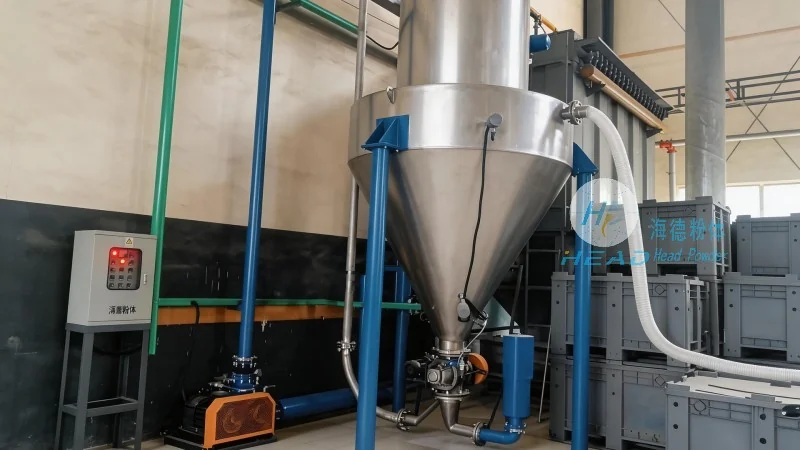
Pneumatic conveying systems utilize air or gas to transport particulate materials through a pipeline. For stone powder, which often consists of fine to medium-sized particles, selecting the appropriate system design is crucial to prevent blockages, maintain consistent flow rates, and ensure minimal material degradation. The system must account for factors such as particle size distribution, moisture content, and bulk density to achieve efficient transport.
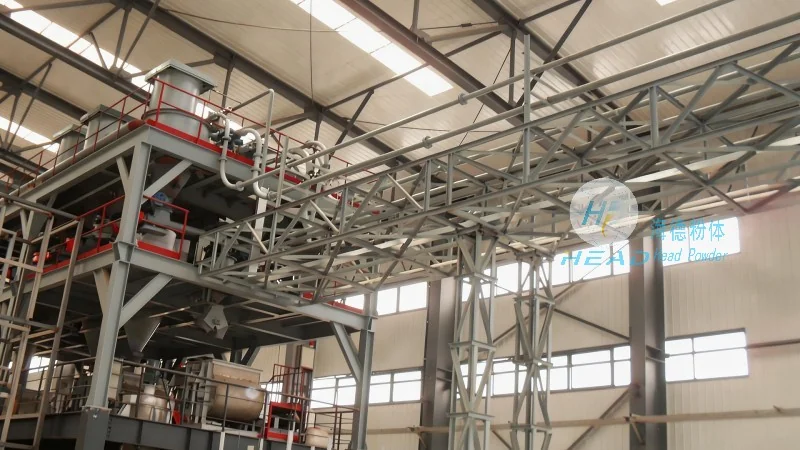
The stone powder pneumatic conveying system typically includes several essential components that work in tandem to ensure smooth operation. These components are engineered to handle the specific characteristics of stone powder, ensuring durability and long-term performance.
Firstly, the feed hopper is designed to store and feed the stone powder into the system. It often incorporates a metering device to control the flow rate, preventing overloading and maintaining consistent material supply. The hopper is constructed from robust materials, such as stainless steel or high-density polyethylene, to withstand the abrasive nature of stone powder and resist corrosion.
Secondly, the conveying pipeline is a critical component that transports the material from the feed hopper to the discharge point. The pipeline is typically made of corrosion-resistant materials like stainless steel or PVC, with smooth inner surfaces to minimize friction and reduce the risk of particle accumulation. The design of the pipeline, including bends and elbows, is optimized to maintain the air-particle mixture's velocity, preventing settling or blockages.
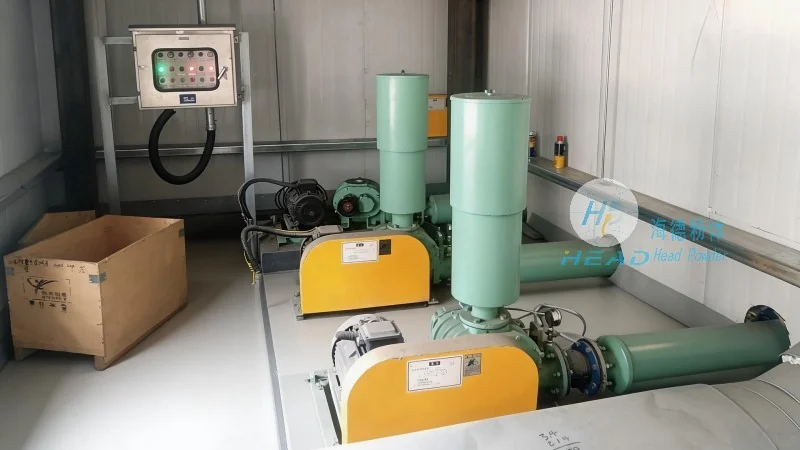
Thirdly, the air supply system provides the necessary pressure and volume of air to move the stone powder through the pipeline. This system includes a blower or compressor, which generates the required airflow, and a filter to remove contaminants from the air, ensuring the material remains clean and free from dust. The air supply is carefully regulated to maintain a stable pressure, which is vital for consistent conveying performance.
Fourthly, the separator and cyclone is used to separate the stone powder from the air at the discharge point. The cyclone uses centrifugal force to separate the heavier particles from the lighter air, allowing the powder to be collected in a discharge bin. This component is essential for maintaining the purity of the conveyed material and preventing dust emissions.
Finally, the control system manages the operation of the entire pneumatic conveying system. It includes sensors to monitor pressure, flow rate, and material levels, as well as control valves to adjust the air supply and feed rate. The control system ensures that the system operates within safe and efficient parameters, minimizing downtime and maximizing productivity.
Designing a stone powder pneumatic conveying system requires careful consideration of several factors to ensure optimal performance. These considerations include the material's physical properties, the system's capacity requirements, and the operational environment.
One of the primary considerations is the particle size and shape of the stone powder. Fine particles may require a higher air velocity to prevent settling, while larger particles may need a different pipeline diameter and air pressure. The system design must account for these variations to maintain consistent flow rates and prevent blockages.
Another critical factor is the moisture content of the stone powder. Excess moisture can cause the material to clump or stick to the pipeline, leading to blockages and reduced efficiency. The system design may include a drying or conditioning step to reduce moisture levels before conveying.
The system capacity is also a key consideration. The design must ensure that the system can handle the required throughput, which may vary depending on the application. This includes selecting the appropriate blower size, pipeline diameter, and feed hopper capacity to meet the production demands.
The operational environment is another factor that influences the system design. Factors such as temperature, humidity, and the presence of corrosive substances must be considered when selecting materials for the components. The system must be designed to operate reliably in the specific environment where it will be installed.
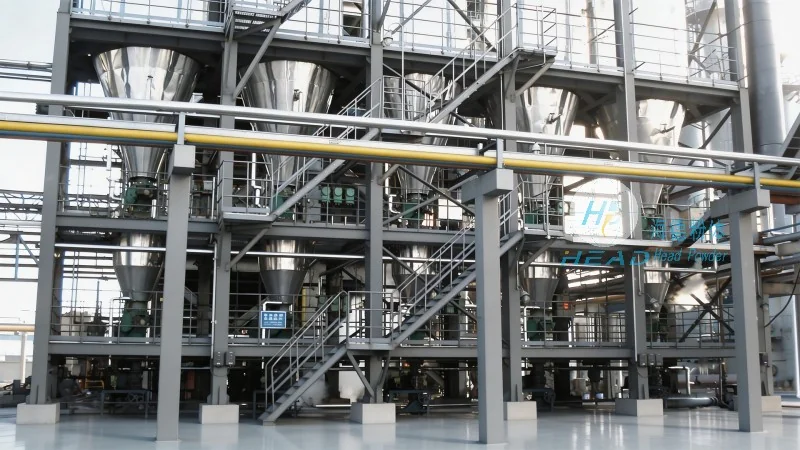
A well-designed stone powder pneumatic conveying system offers several benefits that enhance industrial operations. These benefits include improved efficiency, reduced labor costs, and increased safety.
Firstly, the system improves efficiency by minimizing material handling time and labor. Pneumatic conveying allows for continuous, automated material transport, reducing the need for manual handling and increasing production throughput. This leads to lower operational costs and higher productivity.
Secondly, the system enhances safety by eliminating the need for manual handling of bulk materials. This reduces the risk of accidents, such as material spills or inhalation of dust, which can cause health issues. The system also minimizes the risk of fire or explosion, as it operates with enclosed pipelines and controlled air flow.
Thirdly, the system improves product quality by maintaining the purity and integrity of the stone powder. The design of the system, including the separator and cyclone, ensures that the material remains free from contaminants and is not damaged during transport. This is particularly important for applications where the stone powder is used in high-value products, such as in construction or manufacturing.

 Shandong Headpowder Engineering Co., Ltd.
 156-6277-7102(Manager Zhang)
  0531-83386006
  Zhangqiu District, Jinan City, Shandong Province, China
telephone
WeChatconsult
top