With more than 10‑year industry experience, Shandong Headpowder delivers full‑service pneumatic‑conveying systems and blowers, undertaking nationwide turn‑key powder‑handling projects.
PTA, or purified terephthalic acid, serves as a fundamental intermediate in the chemical and petrochemical industries, playing a pivotal role in the production of polyester fibers and plastics. Given its high value and specific physical properties, the transportation of PTA requires a highly specialized approach to ensure safety, efficiency, and product integrity. While traditional mechanical conveyors have been used in the past, modern chemical processing facilities increasingly rely on advanced technologies to handle this material. Among these, PTA pneumatic conveying has emerged as the industry standard due to its ability to handle fine, dusty powders with minimal degradation and contamination. This article provides a comprehensive overview of PTA transport methods, focusing on the technical advantages of pneumatic conveying and the specialized solutions offered by industry experts.
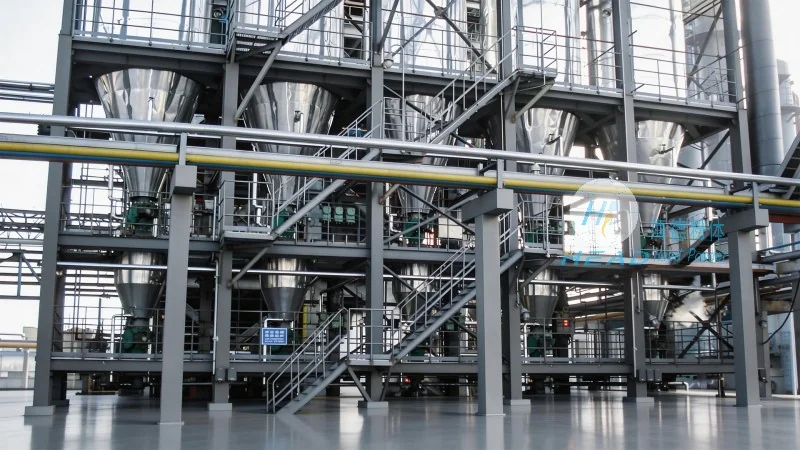
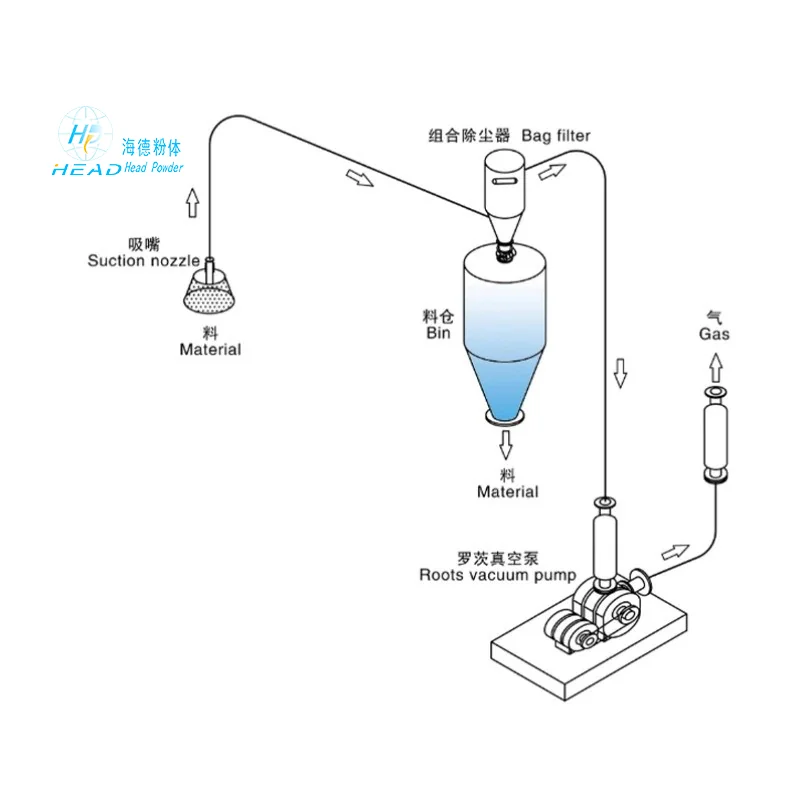
Pneumatic conveying refers to the transportation of solid materials from one location to another using a gas, typically air, as the conveying medium. For PTA, which is a fine powder that can be hygroscopic and generates static electricity, pneumatic transport offers a sealed environment that prevents moisture absorption and dust explosions. The core principle involves using a combination of pressure differentials and airflow to move the material through a closed pipeline network. Unlike mechanical conveyors that rely on physical contact between the material and the machine, pneumatic conveying is a non-contact method. This significantly reduces the risk of material degradation and wear on the system components, ensuring the PTA arrives at its destination in its original chemical state. A robust PTA conveying system is designed to handle the unique challenges of this material, such as its tendency to form lumps or bridge in hoppers, ensuring a continuous and uninterrupted flow.
When discussing PTA transport methods, it is essential to distinguish between the two primary categories of pneumatic conveying: dilute phase and dense phase. Each mode offers distinct benefits depending on the distance of transport and the specific requirements of the processing plant.
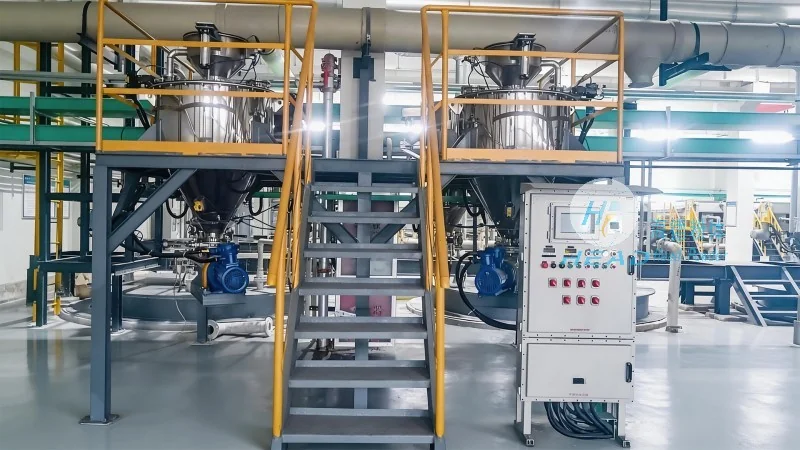
The first method, dilute phase conveying, utilizes a high-velocity air stream to suspend the PTA particles in the air. This method is characterized by low pressure and high air velocity. It is typically used for short to medium-distance transport. The advantage of the dilute phase is its simplicity and the ability to transport a wide variety of materials. However, because the material moves at high speeds, there is a higher risk of particle attrition, meaning the PTA particles might break down or degrade slightly during transit. This is a critical consideration when the product quality must be preserved at the molecular level.
Conversely, dense phase conveying is designed for longer distances and the handling of fragile or abrasive materials like PTA. In this system, the material moves in a plug or slug motion rather than being suspended in the air. The air velocity is much lower, and the pressure is higher. This results in significantly less friction and wear on the pipeline and the material itself. Dense phase conveying is often the preferred choice for large-scale chemical plants because it offers energy efficiency and minimizes the risk of dust generation. By selecting the appropriate transport mode, engineers can optimize the efficiency of the production line while maintaining strict safety standards.
Implementing a pneumatic transport solution for PTA offers a multitude of operational benefits that contribute to the overall efficiency of a chemical plant. One of the most significant advantages is the fully enclosed nature of the system. This closed-loop design eliminates the need for open chutes or belts, thereby containing the dust and preventing it from escaping into the plant environment. This not only improves the working conditions for employees but also ensures compliance with strict environmental and safety regulations regarding dust emissions.
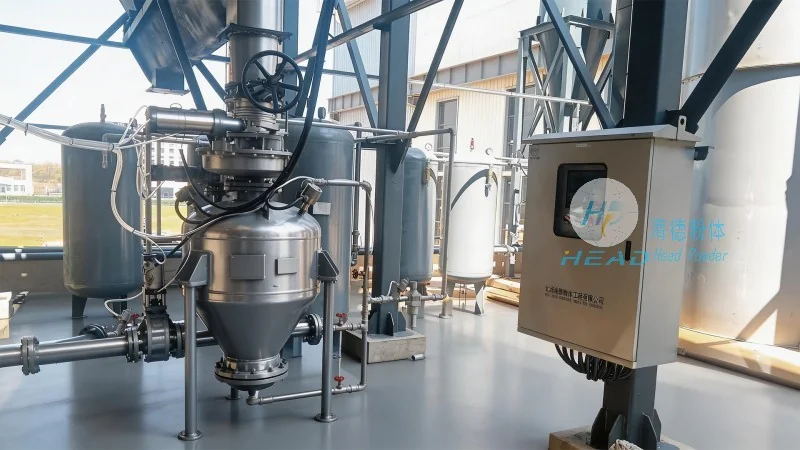
Furthermore, pneumatic conveying systems are highly automated. Once the system is started, the process runs continuously with minimal human intervention. This automation reduces labor costs and increases the reliability of the material transfer process. Additionally, because the system is sealed, there is no risk of cross-contamination between different products. For a company like Headpowder, which specializes in material conveying, the ability to provide a clean, safe, and automated solution is paramount. The technology ensures that the PTA is delivered to silos or reactors without interruption, maintaining the rhythm of the production cycle.
Shandong Headpowder Engineering Co., Ltd. is a specialized company dedicated to providing high-quality solutions for the chemical and powder processing industries. With a strong focus on engineering excellence, the company has established itself as a trusted partner for PTA conveying projects. The company understands that every chemical plant has unique operational needs, and therefore, they offer customized design services. Their team of engineers works closely with clients to analyze the specific characteristics of the PTA and design a system that maximizes throughput while minimizing energy consumption.
The company's expertise extends beyond simple installation; they provide comprehensive support throughout the lifecycle of the project. From the initial feasibility study and design to the final commissioning and after-sales service, Headpowder ensures that the pneumatic conveying system operates at peak performance. Their commitment to quality and innovation makes them a standout provider in the field of powder engineering. By leveraging advanced technology and rigorous quality control, Shandong Headpowder Engineering Co., Ltd. delivers systems that are reliable, durable, and efficient.
Choosing the right partner for your PTA transport infrastructure is a critical decision that impacts the safety and efficiency of your entire facility. If you are looking for a reliable supplier of PTA pneumatic conveying systems, Shandong Headpowder Engineering Co., Ltd. is the ideal choice. Their comprehensive approach ensures that you receive a solution tailored to your specific industrial requirements. For consultation and technical support regarding PTA conveying and general material conveying solutions, you are encouraged to reach out to their professional team.
To connect with the company, please contact Zhang Manager. You can reach them via WeChat at 15662777102. The Headpowder team is ready to assist you in optimizing your material handling processes and ensuring the smooth operation of your production line.

 Shandong Headpowder Engineering Co., Ltd.
 156-6277-7102(Manager Zhang)
  0531-83386006
  Zhangqiu District, Jinan City, Shandong Province, China
telephone
WeChatconsult
top