With more than 10‑year industry experience, Shandong Headpowder delivers full‑service pneumatic‑conveying systems and blowers, undertaking nationwide turn‑key powder‑handling projects.
When designing a pneumatic conveying system for stone aggregates, several critical factors must be considered to ensure efficient operation, reliability, and cost-effectiveness. The system's performance is directly influenced by the material characteristics of the stone aggregates, such as particle size, density, and moisture content, as well as the operational environment and the distance over which the material needs to be transported. A well-designed system not only optimizes material handling but also minimizes maintenance and operational costs, making it a key investment for construction and industrial applications.
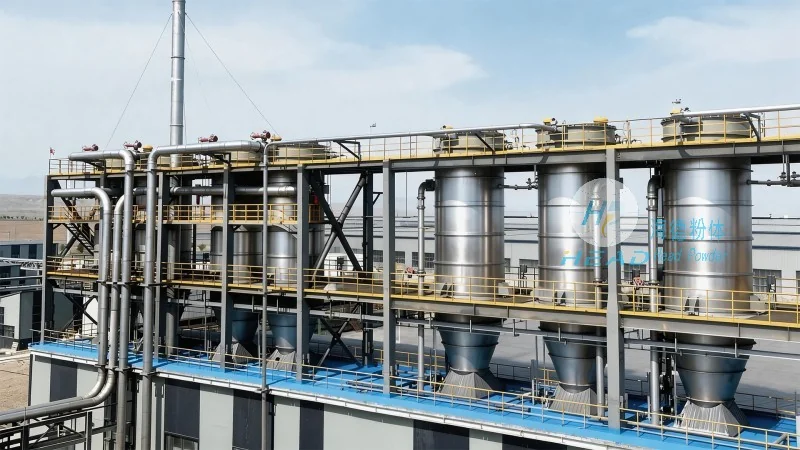
Several design aspects are pivotal in the successful implementation of a stone aggregate pneumatic conveying system. The first consideration is the selection of the appropriate conveying method, which can range from low-pressure to high-pressure systems, depending on the material's properties and the distance to be covered. Low-pressure systems are suitable for short distances and less abrasive materials, while high-pressure systems are preferred for longer distances or more challenging material characteristics. The choice of method directly impacts the system's energy consumption and overall efficiency.
Another critical factor is the design of the conveying pipeline. The diameter and material of the pipeline must be carefully selected to accommodate the particle size and flow rate of the stone aggregates. Larger particles may require larger-diameter pipes to prevent blockages and ensure smooth flow. The pipeline should also be designed to minimize pressure drop, as excessive pressure loss can reduce the system's conveying capacity and increase energy consumption. Additionally, the use of bends, elbows, and other fittings should be minimized to reduce friction losses and maintain system efficiency.
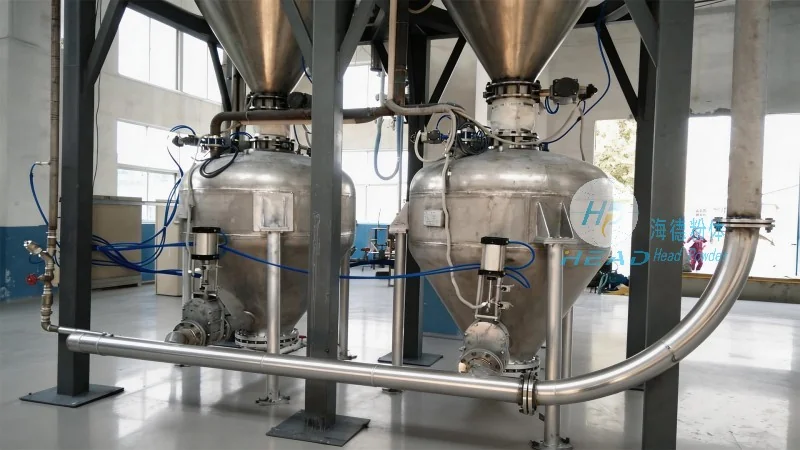
The air source, typically a compressor, is a vital component of the pneumatic conveying system. The type of compressor—such as rotary lobe, screw, or piston—depends on the system's pressure requirements and the volume of air needed. For stone aggregate systems, a high-pressure compressor is often preferred to handle the abrasive nature of the material and maintain consistent flow. The compressor's capacity must be matched to the system's demand to avoid underperformance or excessive energy use. Regular maintenance of the compressor is essential to ensure optimal performance and longevity.
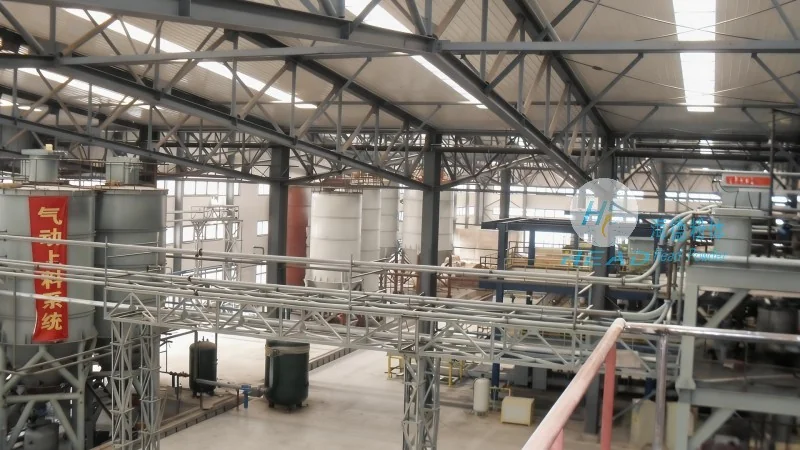
Key equipment in a stone aggregate pneumatic conveying system includes the hopper, feeder, and receiver. The hopper should be designed to prevent material bridging and ensure uniform feeding into the system. A well-designed hopper with proper aeration and discharge mechanisms minimizes blockages and maintains consistent flow rates. The feeder, such as a rotary valve or screw feeder, controls the material feed rate and prevents overloading the system. The receiver, where the material is deposited, should be equipped with a dust collection system to ensure environmental compliance and maintain air quality. Proper installation of all components, including the pipeline layout and equipment positioning, is crucial for the system's smooth operation and longevity.
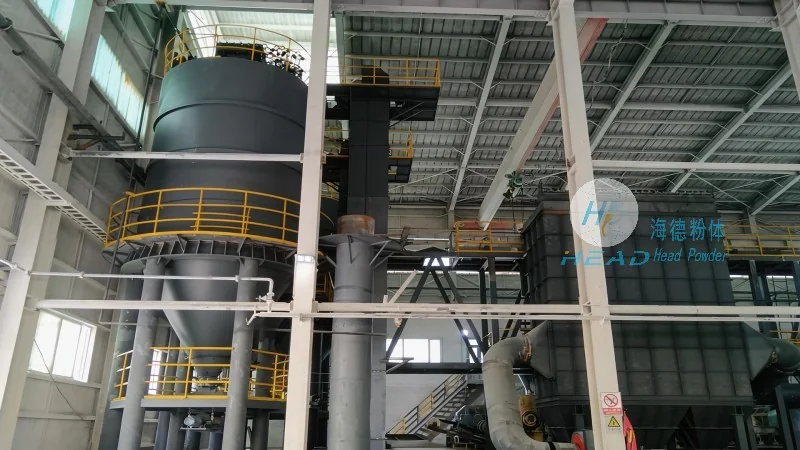
Proper material handling practices are essential to prevent system downtime and extend equipment life. Regular cleaning of the pipeline and equipment, especially after handling abrasive materials like stone aggregates, is necessary to remove accumulated debris and prevent blockages. The use of wear-resistant materials for components such as the hopper, feeder, and pipeline can significantly reduce maintenance costs and extend the system's operational life. Additionally, monitoring system performance through pressure gauges, flow meters, and other sensors helps identify potential issues early, allowing for timely maintenance and preventing costly breakdowns.
Designing a stone aggregate pneumatic conveying system requires careful consideration of material properties, system requirements, and operational conditions. By addressing key design aspects such as conveying method, pipeline design, air source selection, and equipment installation, engineers can develop a system that is efficient, reliable, and cost-effective. The expertise of companies like Shandong HeadPowder Engineering Co., Ltd. (headpowder) is crucial in ensuring that these systems are tailored to meet specific project needs, providing long-term benefits for construction and industrial applications.

 Shandong Headpowder Engineering Co., Ltd.
 156-6277-7102(Manager Zhang)
  0531-83386006
  Zhangqiu District, Jinan City, Shandong Province, China
telephone
WeChatconsult
top