With more than 10‑year industry experience, Shandong Headpowder delivers full‑service pneumatic‑conveying systems and blowers, undertaking nationwide turn‑key powder‑handling projects.
The industrial sector in Rio de Janeiro is a vital component of Brazil's economy, characterized by a diverse range of manufacturing activities, including the production of plastics and polymers. Within this sector, the efficient handling of raw materials is critical to maintaining production continuity and product quality. A recent milestone in this domain was the successful deployment of a specialized material handling solution designed to address the unique challenges of transporting plastic powders. This project highlights the necessity of advanced engineering in modern manufacturing environments, where precision and reliability are non-negotiable. By implementing a state-of-the-art system, the facility has been able to streamline its operations, ensuring that the flow of materials is both consistent and safe. The initiative serves as a testament to the evolving standards of industrial infrastructure in Latin America, where the integration of automation is becoming increasingly prevalent.
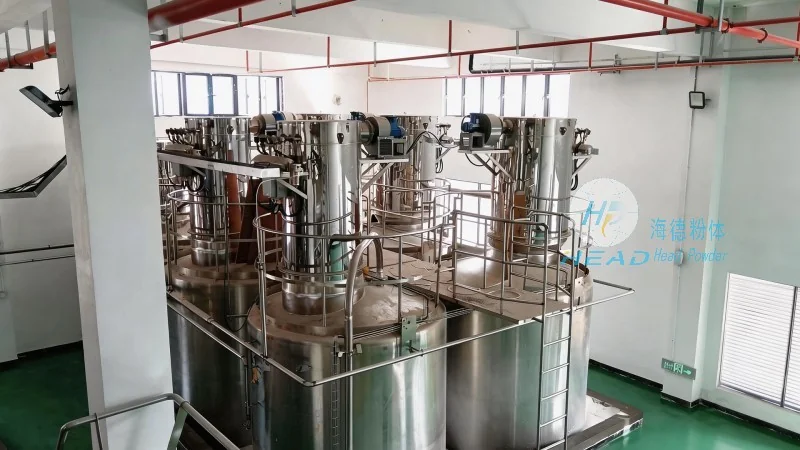
One of the most critical aspects of this project is the focus on automated feeding pneumatic conveying. Unlike traditional methods that rely on manual intervention or gravity-fed systems, pneumatic conveying utilizes air pressure to move plastic powders through a pipeline. This method is particularly effective for handling fine, dry materials that are prone to clogging or dusting. The automation aspect ensures that the feeding process is continuous and unattended, reducing the need for manual labor and minimizing the risk of human error. In the context of a busy manufacturing plant, this translates to higher throughput and lower operational costs. The system is designed to handle varying flow rates, adapting to the specific needs of the production line without compromising efficiency. By automating the feeding process, the facility has achieved a level of control that was previously unattainable, allowing for precise dosing and mixing of materials directly at the point of use.
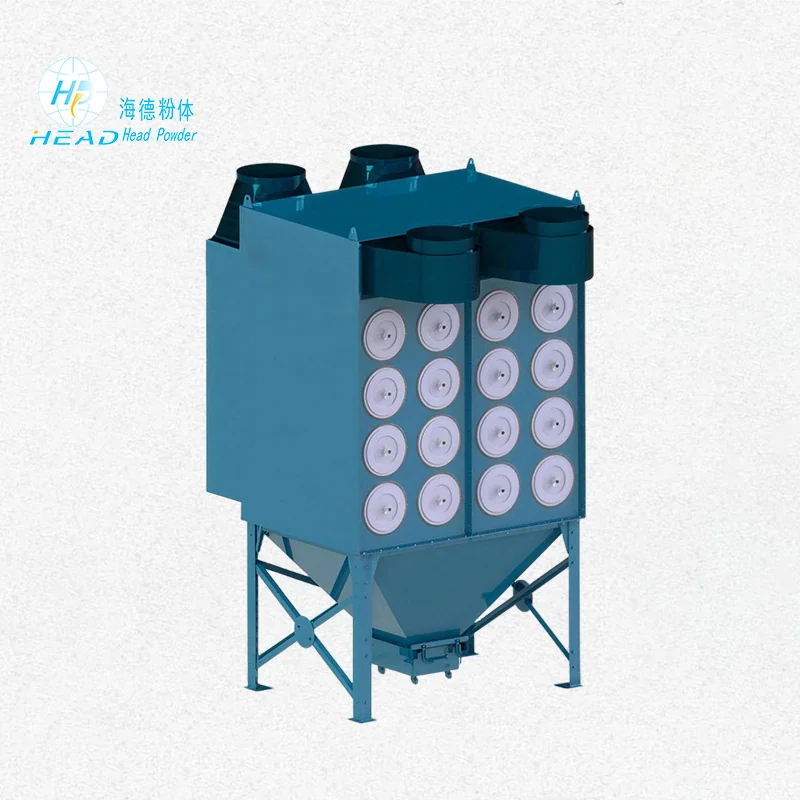
This project stands out as a premier example among various pneumatic conveying cases due to its robust design and reliability. The engineering team faced significant challenges, including the need to transport corrosive and abrasive plastic powders over considerable distances. To overcome these hurdles, the solution incorporated high-grade materials and advanced filtration systems to prevent blockages and ensure the purity of the conveyed material. The system operates on a negative pressure principle, which effectively captures dust and prevents it from escaping into the environment, thereby adhering to strict environmental and safety regulations. The project's success is reflected in its long-term performance, demonstrating the durability and efficiency of the equipment. Engineers and plant managers often look to such successful installations as benchmarks for their own operations, recognizing that a well-designed pneumatic system can significantly enhance the overall productivity of a facility.
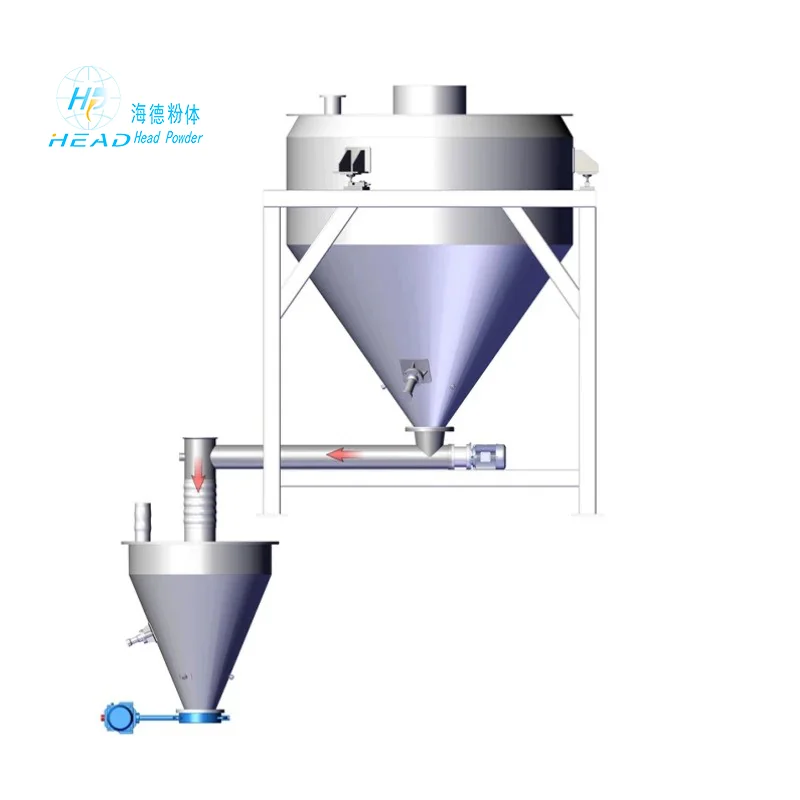
The implementation of this system in Rio de Janeiro underscores the growing importance of pneumatic conveying technology in the Latin American market. As industries in the region continue to modernize, the demand for reliable material handling solutions is on the rise. Latin American pneumatic conveying requires systems that can withstand diverse climatic conditions and varying raw material compositions. The project in Brazil serves as a model for other nations in the region, showcasing how international engineering standards can be adapted to local needs. The ability to transport powders efficiently across large distances without degradation of quality is a key advantage offered by pneumatic systems. This capability is essential for large-scale manufacturing plants that source raw materials from distant locations or distribute finished products across a wide network. The success of this project in Rio de Janeiro paves the way for similar advancements throughout the continent, driving the industrial sector towards greater automation and efficiency.
The technical prowess behind this successful project is attributed to the expertise of Shandong Headpowder Engineering Co., Ltd. Based in Shandong, China, the company has established itself as a leading provider of pneumatic conveying solutions. With years of experience in the field, Headpowder combines innovative technology with practical engineering to deliver systems that meet the exacting demands of global clients. The company’s philosophy centers on customer satisfaction, ensuring that every project is tailored to the specific operational requirements of the client. Their team of skilled engineers and technicians works closely with clients from the initial design phase through to installation and commissioning, providing comprehensive support every step of the way. By leveraging cutting-edge technology and a deep understanding of powder handling mechanics, Shandong Headpowder Engineering Co., Ltd. has built a reputation for reliability and excellence in the international market.
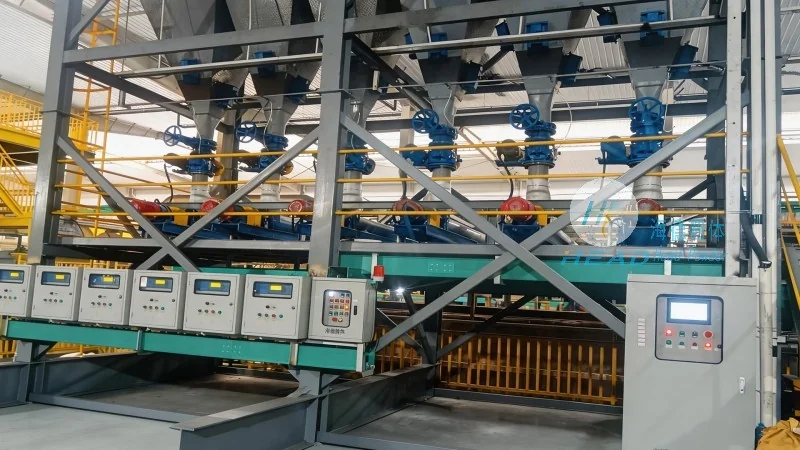
The transition to the new automated system in Rio de Janeiro brought about immediate and tangible benefits for the facility. The reduction in manual handling not only improved workplace safety by minimizing exposure to fine dust but also reduced the physical strain on employees. The automated process ensures a steady supply of raw materials to the processing units, eliminating downtime caused by supply shortages. Furthermore, the energy efficiency of the pneumatic conveying system contributes to lower utility costs over time. The control panel allows operators to monitor the system's performance in real-time, making it easy to detect and address any potential issues before they escalate. This proactive approach to maintenance ensures that the system remains operational for extended periods with minimal interruptions. The project has effectively demonstrated that investing in advanced material handling technology is a strategic decision that yields significant returns in terms of efficiency, safety, and cost savings.
As the manufacturing landscape in Brazil and the wider Latin American region continues to evolve, the demand for sophisticated material handling solutions will only increase. The successful completion of the Rio de Janeiro project positions Shandong Headpowder Engineering Co., Ltd. as a key player in this growth. The company remains committed to continuous innovation, investing in research and development to enhance the capabilities of its pneumatic conveying systems. Future projects will likely focus on integrating smart technologies, such as IoT sensors and AI-driven analytics, to further optimize the performance of material handling systems. By fostering international collaboration and maintaining a client-centric approach, Headpowder is well-positioned to meet the challenges of the future. The Rio de Janeiro case study serves as a blueprint for future endeavors, highlighting the transformative impact of professional engineering on industrial operations.
For those interested in learning more about advanced pneumatic conveying solutions or discussing potential projects, Shandong Headpowder Engineering Co., Ltd. welcomes inquiries. The company is dedicated to providing expert consultation and tailored solutions to meet the diverse needs of the global market. To connect with the project team or discuss specific requirements, please contact Mr. Zhang, the project manager. Mr. Zhang can be reached via WeChat at 15662777102. The company’s team is ready to assist clients in navigating the complexities of material handling and designing systems that drive operational success. Whether you are in the plastics industry or another sector requiring powder transport, Shandong Headpowder Engineering Co., Ltd. offers the expertise and experience necessary to deliver exceptional results.

 Shandong Headpowder Engineering Co., Ltd.
 156-6277-7102(Manager Zhang)
  0531-83386006
  Zhangqiu District, Jinan City, Shandong Province, China
telephone
WeChatconsult
top