With more than 10‑year industry experience, Shandong Headpowder delivers full‑service pneumatic‑conveying systems and blowers, undertaking nationwide turn‑key powder‑handling projects.
In the rapidly evolving industrial landscape of Southeast Asia, Thailand has emerged as a pivotal hub for manufacturing and processing. Among its key industrial zones, Chiang Mai has attracted significant attention due to its robust infrastructure and strategic location. However, as manufacturing capabilities expand, the demand for advanced material handling systems becomes critical. One specific sector that demands precision and efficiency is the mixing and blending workshop. These facilities often deal with fine powders that require strict control over flow, contamination prevention, and spatial management. To address these complex requirements, Shandong Headpowder Engineering Co., Ltd. has successfully implemented a state-of-the-art powder bulk material pneumatic conveying system in a Chiang Mai mixing workshop. This case highlights the critical role of specialized engineering in modern industrial settings.

The traditional methods of material handling, such as belt conveyors or bucket elevators, often fall short in environments where dust control and hygiene are paramount. In a mixing workshop, the presence of airborne dust can compromise product quality and pose serious health risks to operators. Furthermore, mechanical conveyors occupy significant floor space, which is a premium in modern factory layouts. This is where the specialized technology of pneumatic conveying comes into play. By utilizing air pressure to transport materials through enclosed pipelines, this method eliminates dust exposure, ensures a clean working environment, and maximizes the usable floor area of the facility.
This successful implementation serves as a prime pneumatic conveying case for the region. The system was designed to handle the specific characteristics of the powders used in the Chiang Mai production line. Unlike simple gravity-based systems, pneumatic conveying allows for the precise metering and dosing of materials, ensuring that the mixing process achieves the exact chemical or physical composition required. The project required a deep understanding of fluid dynamics and material properties, areas where the engineering team excelled. The result was a seamless integration of the new system into the existing production workflow, demonstrating the reliability and adaptability of advanced material handling solutions.
A central feature of this project is the centralized pneumatic conveying system. In many manufacturing plants, materials are often stored in multiple silos or hoppers scattered across the facility. This decentralization complicates the logistics and increases the risk of material handling errors. The solution provided by Headpowder involves a central feed station where all raw powders are collected and processed before being distributed to the mixing hoppers. This centralized approach streamlines the entire supply chain within the workshop. It reduces the need for manual intervention, minimizes the risk of cross-contamination between different raw materials, and significantly improves the overall operational efficiency of the plant.
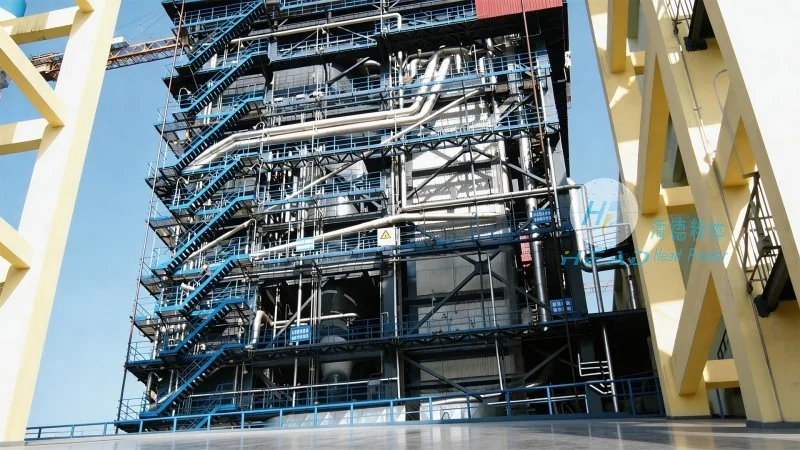
As a leading provider in the field, Shandong Headpowder Engineering Co., Ltd. has established itself as a premier choice for Southeast Asia pneumatic conveying projects. The company’s expertise extends beyond simple installation; it encompasses comprehensive system design, rigorous testing, and after-sales support. Their ability to tailor solutions to the specific climatic and operational conditions of Southeast Asia is a testament to their engineering prowess. Whether dealing with high humidity or specific powder flow characteristics, the systems designed by Headpowder are built to withstand the rigors of industrial production while maintaining peak performance. This case in Chiang Mai is a clear example of how international engineering standards are being applied to local manufacturing challenges, resulting in superior productivity.
The technical sophistication of the system lies in its ability to maintain consistent pressure and flow rates. The pneumatic conveying system installed in the Chiang Mai workshop utilizes advanced control valves and sensors to monitor material flow in real-time. This ensures that the mixing equipment receives a steady and uninterrupted supply of raw materials. By preventing blockages and ensuring consistent flow, the system reduces downtime and maintenance costs. Operators can monitor the entire process from a central control panel, making adjustments as needed without leaving their station. This level of automation is essential for modern manufacturing facilities aiming to achieve high throughput and quality consistency.
Shandong Headpowder Engineering Co., Ltd. is headquartered in Shandong, China, a region known for its strong industrial base and engineering talent. The company’s success in the international market is driven by its commitment to innovation and quality. They understand that every project is unique, and they invest time in understanding the specific needs of their clients before proposing a solution. The Chiang Mai project is a testament to their dedication to providing customized solutions that solve real-world problems. Their team of engineers works closely with clients to design systems that are not only efficient but also cost-effective in the long run.
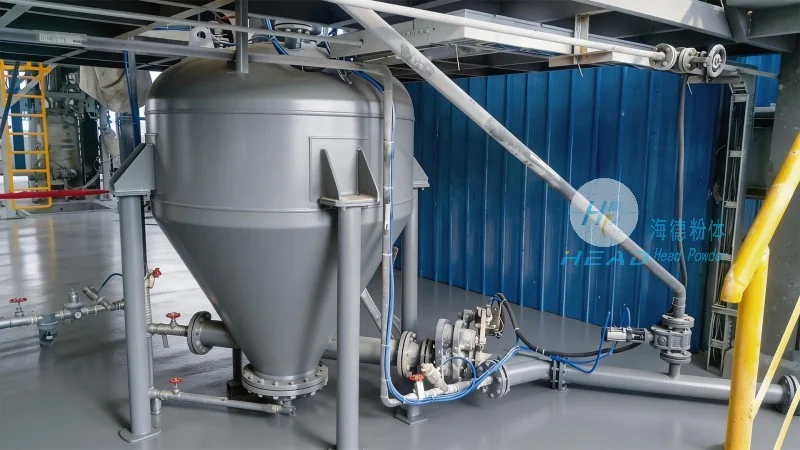
For facilities looking to upgrade their material handling capabilities, partnering with an experienced engineering firm is crucial. The transition to a pneumatic conveying system represents a significant investment in the future of the plant. It is an investment in safety, hygiene, and efficiency. The team at Shandong Headpowder Engineering Co., Ltd. provides the expertise and support necessary to navigate this transition smoothly. They ensure that the system is installed correctly and that the staff is trained to operate it effectively. This holistic approach ensures that the client gets the maximum return on their investment.
The benefits of the implemented system are multifaceted. Firstly, the enclosed nature of the system prevents dust from escaping into the workshop, creating a much healthier environment for workers. Secondly, the system reduces the need for large storage bins on the shop floor, freeing up valuable space for production machinery. Thirdly, the automation reduces labor costs associated with manual material handling. These factors combine to create a more efficient, safer, and more profitable manufacturing operation. The Chiang Mai mixing workshop has seen a marked improvement in its operational metrics since the installation of the system.
Shandong Headpowder Engineering Co., Ltd. continues to lead the way in the development of bulk material handling technologies. Their focus on research and development ensures that they are always at the forefront of industry trends. They are constantly exploring new ways to improve energy efficiency, reduce noise levels, and enhance the reliability of their systems. This forward-thinking approach ensures that their clients are always equipped with the best possible technology available. The company’s reputation for quality and reliability has made them a trusted partner for industrial projects across the globe.
When considering a centralized pneumatic conveying system, it is important to choose a partner who understands the nuances of powder handling. Different powders have different flow properties. Some are free-flowing, while others are cohesive or aeratable. The system designed by Headpowder takes these properties into account, ensuring that all materials are conveyed smoothly and without degradation. This attention to detail is what sets Headpowder apart from other engineering firms. They do not just install a system; they engineer a solution that is tailored to the specific material being handled.
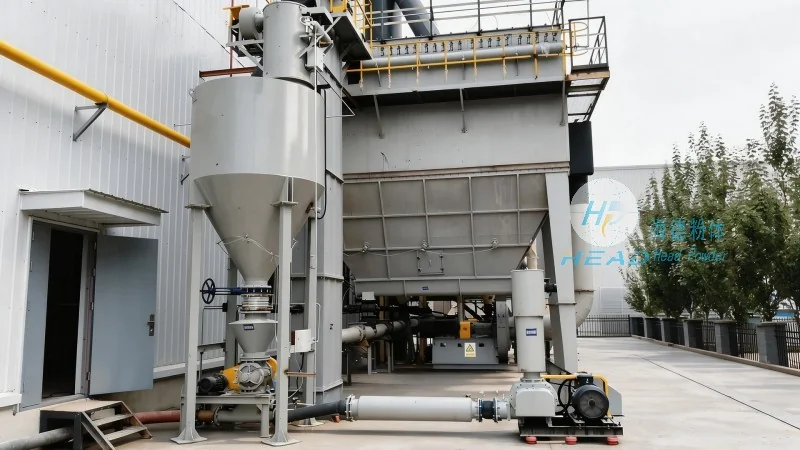
The project in Chiang Mai serves as a model for other manufacturing plants in the region. It demonstrates that it is possible to achieve high levels of efficiency and hygiene without compromising on production speed. The success of the project is a result of close collaboration between the client and the engineering team. Headpowder worked closely with the client to understand their production schedule, their material requirements, and their future expansion plans. This collaborative approach ensures that the solution is not just a stopgap measure but a long-term asset to the facility.
In conclusion, the deployment of a pneumatic conveying system in a Chiang Mai mixing workshop represents a significant advancement in industrial material handling. It addresses the critical challenges of dust control, space management, and operational efficiency. Shandong Headpowder Engineering Co., Ltd. has proven its expertise in this field through this successful project. Their commitment to quality, innovation, and customer service makes them the ideal partner for any facility looking to upgrade its material handling capabilities. The project stands as a shining example of how advanced engineering can transform a manufacturing process.
For those interested in learning more about this project or discussing similar requirements, the company’s contact information is readily available. The team is ready to provide detailed consultations and quotes. Contact Manager Zhang for further information. You can reach them via WeChat at 15662777102. Shandong Headpowder Engineering Co., Ltd. looks forward to assisting with your material handling needs and helping you achieve operational excellence.

 Shandong Headpowder Engineering Co., Ltd.
 156-6277-7102(Manager Zhang)
  0531-83386006
  Zhangqiu District, Jinan City, Shandong Province, China
telephone
WeChatconsult
top