With more than 10‑year industry experience, Shandong Headpowder delivers full‑service pneumatic‑conveying systems and blowers, undertaking nationwide turn‑key powder‑handling projects.
The rubber manufacturing sector in Penang represents a critical hub for industrial activity, where the precise handling of raw materials is paramount to the final product's quality. A significant portion of this production relies on rubber additives, which are typically delivered as fine powders. Transporting these powders presents a unique set of operational challenges. Traditional mechanical conveying methods, such as screw conveyors or belt systems, often struggle with the fine particulate nature of these materials. They can lead to dust emissions, which not only pose serious health and safety risks to workers but also create potential fire hazards due to the combustible nature of certain rubber additives. Furthermore, these conventional systems are prone to blockages and wear, leading to increased maintenance costs and downtime. To overcome these hurdles, the industry requires a solution that ensures absolute containment and efficiency. This is where advanced pneumatic conveying systems become essential for maintaining a safe and productive facility.
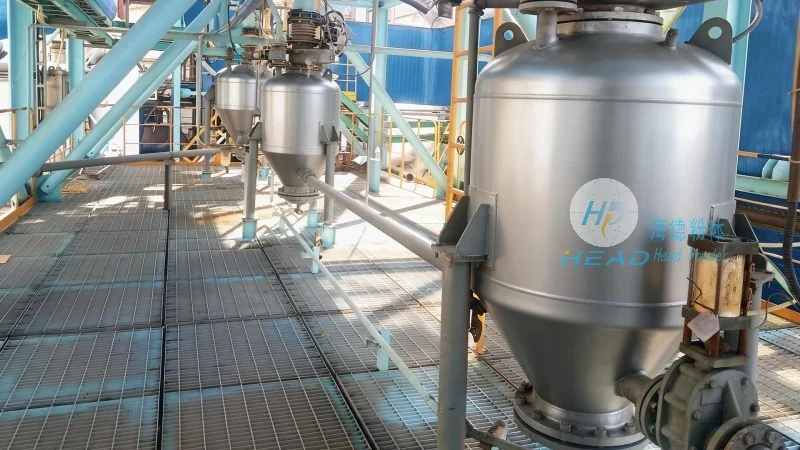
To address these industry-specific needs, Shandong Headpowder Engineering Co., Ltd. has developed a specialized solution tailored for the handling of rubber additives. The core of this solution is a high-performance pneumatic conveying system designed with a focus on safety and environmental protection. By implementing a closed pneumatic conveying case, the system completely isolates the powder from the external environment during the transportation process. This eliminates the risk of dust leakage and ensures that the purity of the rubber additives is maintained from the storage silo to the processing hopper. The technology utilized by Headpowder is specifically engineered to handle the high flow rates and specific material characteristics associated with rubber chemical powders. This approach not only complies with strict environmental regulations but also significantly enhances the overall efficiency of the production line. The system's robust design ensures continuous operation with minimal energy consumption, making it an ideal choice for modern manufacturing plants.
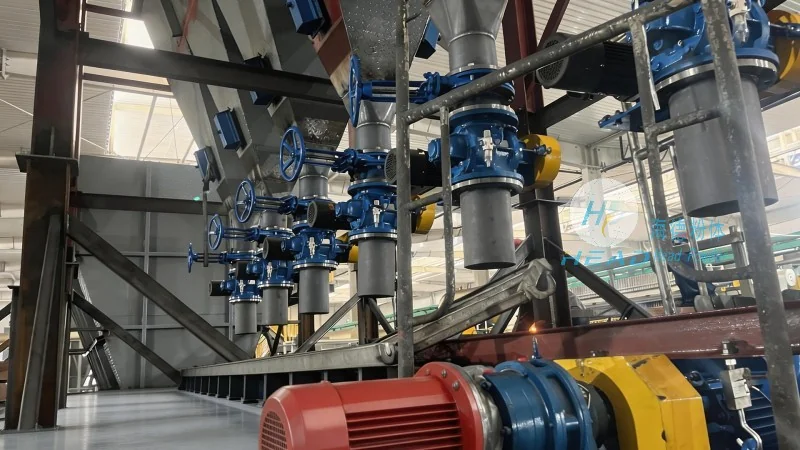
The pneumatic conveying case implemented in the Penang facility highlights the technical superiority of Shandong Headpowder Engineering Co., Ltd. The system utilizes a precise pressure control mechanism that optimizes the velocity of the air-powder mixture. This prevents material degradation, which is a common issue when powders are subjected to excessive impact or turbulence. Additionally, the system is equipped with advanced filtration units that capture any residual dust, ensuring a clean working environment. The design of the piping and the selection of the air mover are critical factors that contribute to the system's longevity. Shandong Headpowder Engineering Co., Ltd. ensures that every component meets international standards for durability and performance. This pneumatic conveying case serves as a prime example of how modern engineering can solve legacy problems in material handling. The seamless integration of the system into the existing infrastructure demonstrates the flexibility and adaptability of Headpowder's engineering capabilities.
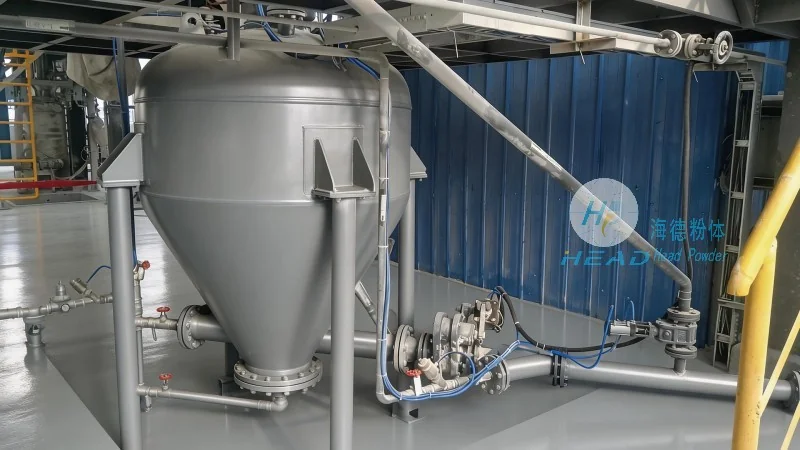
Shandong Headpowder Engineering Co., Ltd. is a distinguished engineering enterprise based in Shandong, China, renowned for its expertise in powder material handling. The company has built a strong reputation in the industry by providing comprehensive solutions for pneumatic conveying, ranging from system design and manufacturing to installation and after-sales service. With a team of experienced engineers, Headpowder specializes in creating customized systems that meet the specific demands of various sectors, including rubber, chemical, and food industries. The company's commitment to innovation and quality has made it a trusted partner for clients across the globe. By leveraging advanced technology and a deep understanding of fluid dynamics, Shandong Headpowder Engineering Co., Ltd. continues to set benchmarks in the field of pneumatic conveying. The company's dedication to customer satisfaction is reflected in its rigorous quality control processes and its ability to deliver projects on time and within budget.
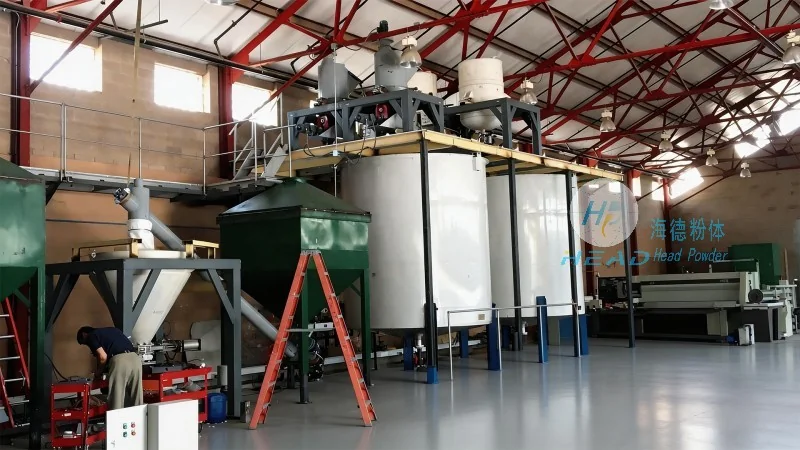
If you are seeking a reliable and efficient solution for transporting rubber additives or other fine powders, Shandong Headpowder Engineering Co., Ltd. is ready to assist you. The company offers expert consultation to analyze your specific requirements and design a system that maximizes your operational efficiency. For direct inquiries regarding the pneumatic conveying case or to discuss potential projects, please contact our project manager, Zhang Manager. You can reach us via WeChat at 15662777102. Our team is dedicated to providing professional support and technical guidance to ensure the success of your material handling operations. Partner with Headpowder to experience the benefits of a modern, safe, and efficient pneumatic conveying system.

 Shandong Headpowder Engineering Co., Ltd.
 156-6277-7102(Manager Zhang)
  0531-83386006
  Zhangqiu District, Jinan City, Shandong Province, China
telephone
WeChatconsult
top