With more than 10‑year industry experience, Shandong Headpowder delivers full‑service pneumatic‑conveying systems and blowers, undertaking nationwide turn‑key powder‑handling projects.
HeadPowder, a prominent name in the field of pneumatic conveying technology, specializes in providing tailored solutions for the efficient and reliable transport of iron powder. With a focus on precision engineering and robust system design, our company, Shandong HeadPowder Engineering Co., Ltd., based in Shandong, China, has established itself as a trusted partner for industries requiring high-performance material handling systems. This article delves into the critical design considerations that ensure the optimal performance and longevity of iron powder pneumatic conveying systems.
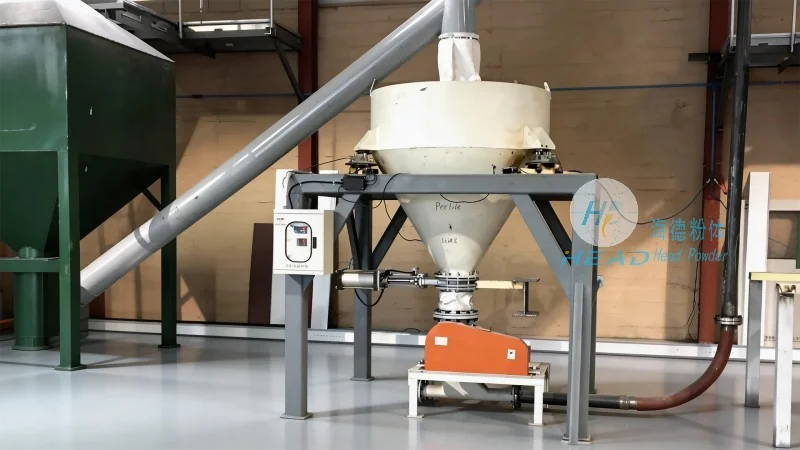
When designing a pneumatic conveying system for iron powder, several factors must be carefully evaluated to achieve efficient material transport while minimizing operational challenges. The first and most crucial consideration is the selection of the appropriate conveying method, which can be categorized into dilute-phase and dense-phase systems. Dilute-phase systems, often utilizing positive pressure or negative pressure, are suitable for long-distance transport and high-volume applications, while dense-phase systems, typically employing low air velocity and high material concentration, are ideal for handling abrasive or sensitive materials like iron powder. The choice between these methods depends on the specific process requirements, including the distance between the source and destination, the required flow rate, and the characteristics of the iron powder itself, such as particle size, moisture content, and flowability.
The physical and chemical properties of iron powder significantly influence the design of the pneumatic conveying system. Iron powder can vary in particle size, ranging from fine powders to coarse granules, and may contain moisture or contaminants that affect its flowability and reactivity. For instance, fine iron powders are more prone to agglomeration and require more aggressive air flow to maintain suspension, whereas coarse powders may settle more quickly and necessitate higher air velocities or alternative conveying techniques. Additionally, the moisture content of iron powder can impact the system's performance, as excess moisture can lead to clogging or corrosion of system components. Therefore, understanding the specific properties of the iron powder being handled is essential for selecting the right equipment, such as pumps, valves, and filters, and for ensuring the system operates within optimal parameters.
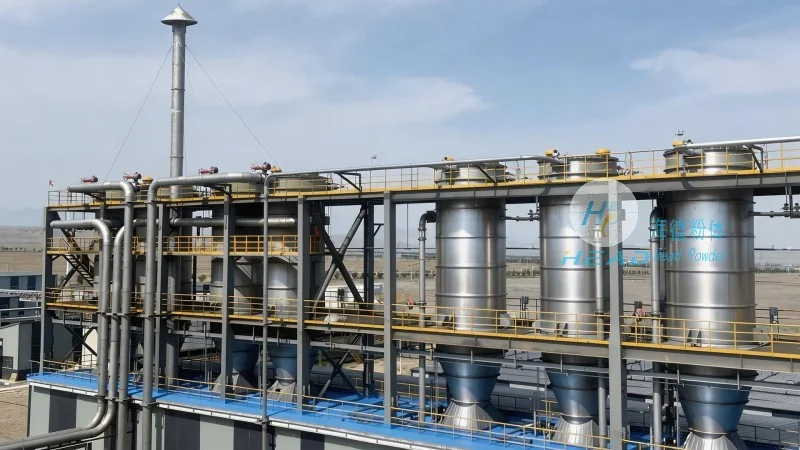
A pneumatic conveying system for iron powder typically consists of several key components, each playing a vital role in the overall performance. The primary components include the material feed system, which may involve hoppers, feeders, or rotary valves to control the flow of iron powder into the system; the conveying line, which can be made of metal or plastic pipes, depending on the material's corrosiveness and the required pressure; and the air supply system, which includes blowers or compressors to generate the necessary air pressure. The feed system must be designed to prevent material buildup and ensure a consistent flow rate, as fluctuations can lead to system inefficiencies or blockages. The conveying line must be properly sized and supported to withstand the pressure and weight of the material and air, while also minimizing friction losses. The air supply system must provide sufficient air volume and pressure to maintain the material in suspension and overcome any resistance in the system. Additionally, the system may include filters and cyclones to separate the iron powder from the air, ensuring that the material is collected efficiently and the air is cleaned before release.
Optimizing the pressure and flow rate is critical for the efficient operation of an iron powder pneumatic conveying system. The pressure required to transport iron powder depends on the system's length, the material's properties, and the desired flow rate. Higher pressure systems are generally more suitable for long-distance transport and high-volume applications, as they can maintain the material in suspension over greater distances. However, excessive pressure can lead to increased energy consumption and potential damage to system components. The flow rate, measured in terms of material volume per unit time, must be matched to the system's capacity and the process requirements. A mismatched flow rate can result in system overload, leading to clogging or reduced efficiency. To optimize these parameters, engineers often conduct simulations or pilot tests to determine the ideal pressure and flow rate for the specific iron powder and system configuration. This involves analyzing the material's flow characteristics, the system's resistance, and the energy consumption to achieve the most cost-effective and reliable operation.
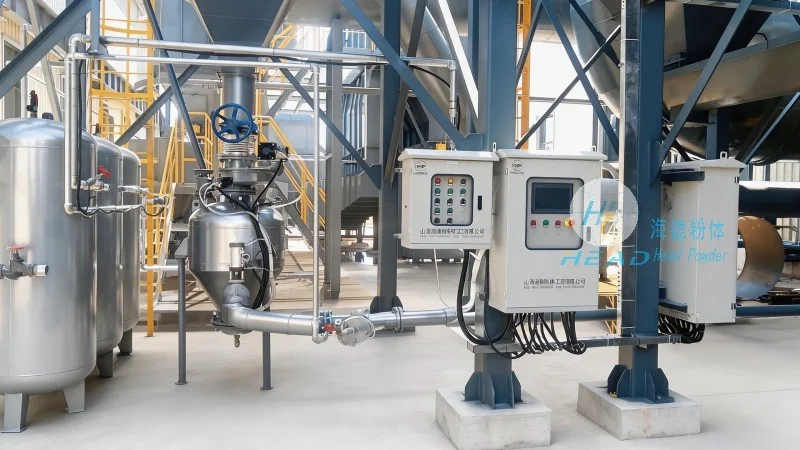
Clogging is a common issue in iron powder pneumatic conveying systems, particularly when dealing with fine or cohesive powders. To prevent clogging, several design strategies can be employed. One approach is to use a dense-phase conveying system, which maintains a higher material concentration in the air stream, reducing the likelihood of particle settling and blockages. Another strategy is to incorporate vibration or agitation devices in the conveying line to prevent material buildup and ensure smooth flow. Additionally, the use of anti-wear materials for system components, such as pumps and valves, can extend the system's lifespan and reduce the risk of clogging due to material abrasion. Regular maintenance and cleaning of the system, including the filters and cyclones, are also essential to prevent clogging and ensure consistent performance. By implementing these measures, the reliability of the iron powder pneumatic conveying system can be significantly improved, minimizing downtime and maintenance costs.
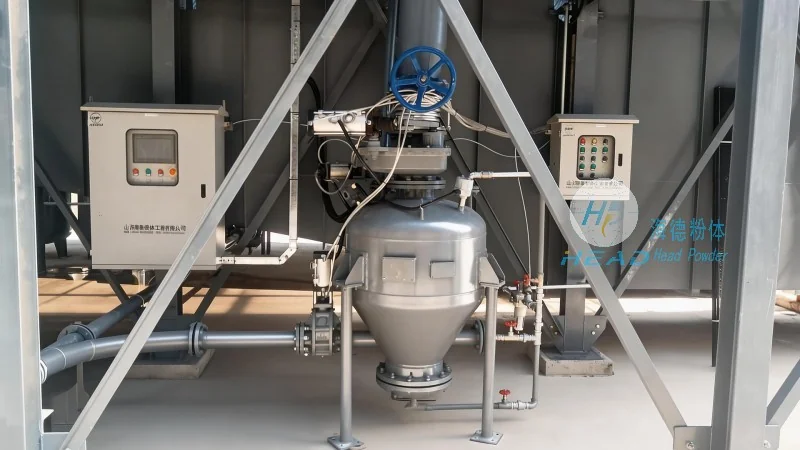
Energy efficiency is a key consideration in the design of iron powder pneumatic conveying systems, as the operation of blowers and compressors accounts for a significant portion of the system's energy consumption. To improve energy efficiency, engineers can select high-efficiency air supply equipment, such as variable-speed drives, which adjust the air volume and pressure based on the system's needs. This reduces energy waste and lowers operational costs. Additionally, optimizing the system's design, such as reducing pipe length and minimizing bends, can lower friction losses and improve overall efficiency. Environmental considerations are also important, as the system must comply with regulations regarding air emissions and material handling. Proper filtration and collection systems are essential to prevent the release of iron powder particles into the environment, ensuring compliance with environmental standards. By focusing on energy efficiency and environmental compliance, the iron powder pneumatic conveying system can operate sustainably while maintaining high performance.
In conclusion, the design of an iron powder pneumatic conveying system requires a comprehensive approach that considers the material's properties, the system's components, and the operational requirements. By carefully evaluating the conveying method, optimizing pressure and flow rates, and implementing strategies to prevent clogging and improve energy efficiency, the system can achieve efficient and reliable transport of iron powder. HeadPowder, with its expertise in pneumatic conveying technology, provides tailored solutions that address the specific needs of each application, ensuring optimal performance and longevity. With our commitment to precision engineering and customer satisfaction, we continue to deliver high-quality systems that meet the demands of industries handling iron powder, from manufacturing to processing and beyond.

 Shandong Headpowder Engineering Co., Ltd.
 156-6277-7102(Manager Zhang)
  0531-83386006
  Zhangqiu District, Jinan City, Shandong Province, China
telephone
WeChatconsult
top