With more than 10‑year industry experience, Shandong Headpowder delivers full‑service pneumatic‑conveying systems and blowers, undertaking nationwide turn‑key powder‑handling projects.
HeadPowder, a leading provider in the field of material handling solutions, offers comprehensive strategies for the pneumatic conveying of lithium oxalate. This article outlines several effective approaches tailored to the unique properties of lithium oxalate, ensuring efficient and reliable material transport while maintaining product integrity.
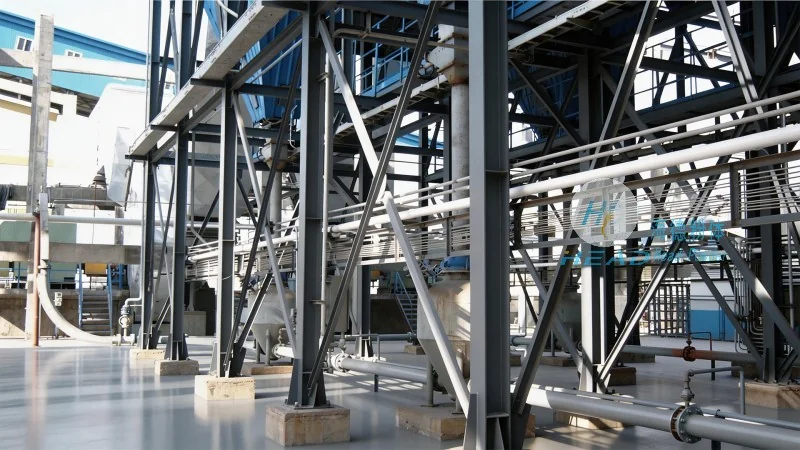
Lithium oxalate is a fine, hygroscopic powder with specific handling requirements. Its fine particle size and potential for static accumulation can pose challenges during pneumatic transport. Additionally, maintaining the purity and preventing agglomeration are critical factors. To address these challenges, HeadPowder has developed several specialized solutions that optimize the conveying process for lithium oxalate.
One of the primary solutions for lithium oxalate is the positive pressure pneumatic conveying system. This method involves blowing air or a carrier gas into the conveying line, creating a positive pressure environment that propels the material forward. The system typically includes a feed hopper, a rotary valve, and a conveying line with appropriate fittings. For lithium oxalate, this approach is effective due to its ability to handle fine powders and minimize product degradation. The positive pressure system ensures that the material is continuously moved, reducing the risk of clogging and maintaining consistent flow rates. HeadPowder’s design incorporates high-efficiency filters and moisture control mechanisms to preserve the quality of lithium oxalate during transport.
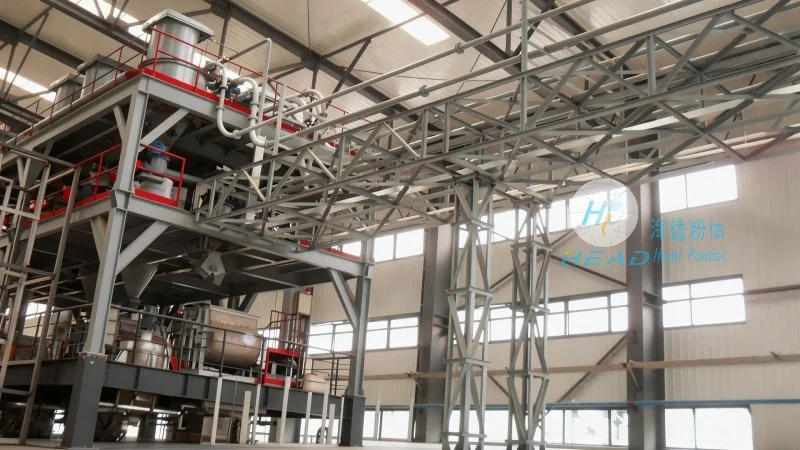
Another viable solution is the negative pressure pneumatic conveying system, which operates by creating a vacuum in the conveying line to draw the material from the source. This method is particularly useful for applications where the material needs to be transported from multiple points or over longer distances. The negative pressure system is gentle on the material, reducing the risk of particle breakage and maintaining the integrity of lithium oxalate. HeadPowder’s negative pressure systems are equipped with advanced dust collection and filtration systems, ensuring that the material remains clean and free from contaminants. The design also includes pressure relief valves and safety features to prevent over-pressurization or vacuum-related hazards.
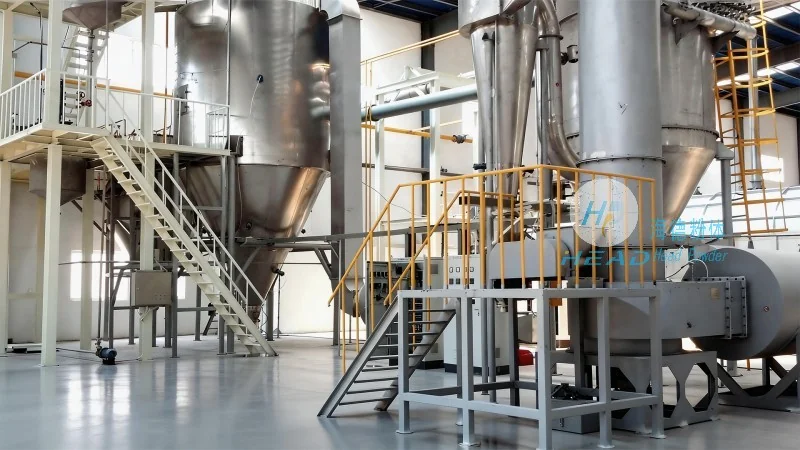
For more complex conveying requirements, a hybrid system combining both positive and negative pressure elements may be employed. This approach allows for flexibility in handling varying material flow rates and distances. The hybrid system can start with a positive pressure boost to initiate the conveying process and then switch to negative pressure for the final stages, optimizing energy consumption and material transport efficiency. HeadPowder’s hybrid solutions are tailored to the specific needs of lithium oxalate, incorporating intelligent control systems that adjust pressure and flow rates in real-time. This ensures that the material is conveyed efficiently while minimizing energy costs and maximizing product quality.
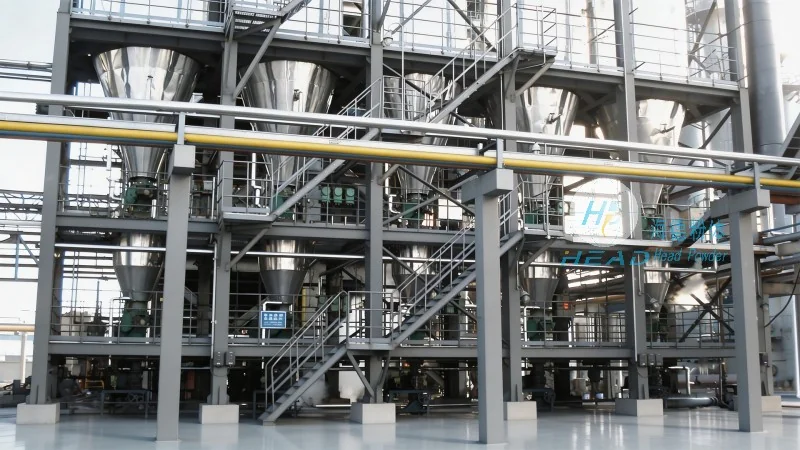
When implementing any pneumatic conveying solution for lithium oxalate, several key factors must be considered. First, the particle size distribution and moisture content of the material are critical. Fine particles are more prone to static and agglomeration, so proper grounding and anti-static measures are essential. Second, the choice of carrier gas is important; inert gases like nitrogen may be used to prevent oxidation or moisture absorption. Third, the system’s capacity and flow rate must match the production requirements to avoid bottlenecks or overloading. HeadPowder provides customized solutions that address these considerations, ensuring that the conveying system is optimized for the specific characteristics of lithium oxalate.
HeadPowder Engineering Co., Ltd., based in Shandong, China, specializes in developing advanced material handling systems for various industrial applications. With a focus on innovation and customer satisfaction, HeadPowder offers tailored solutions for the pneumatic conveying of lithium oxalate, addressing the unique challenges associated with this material. By leveraging expertise in positive, negative, and hybrid pneumatic systems, HeadPowder ensures efficient, reliable, and cost-effective material transport. The company’s commitment to quality and safety makes it a trusted partner for industries relying on lithium oxalate in their production processes.

 Shandong Headpowder Engineering Co., Ltd.
 156-6277-7102(Manager Zhang)
  0531-83386006
  Zhangqiu District, Jinan City, Shandong Province, China
telephone
WeChatconsult
top