

[Magnesium Sulfate Pneumatic Conveying Technology: In-Depth Analysis of Negative Pressure and Positi
HeadPowder, a leading engineering firm based in Shandong, China, specializes in advanced material handling solutions, including pneumatic conveying systems for magnesium sulfate. This article provides a comprehensive exploration of both negative pressure and positive pressure pneumatic conveying technologies, highlighting their operational principles, advantages, and practical applications in industrial settings.
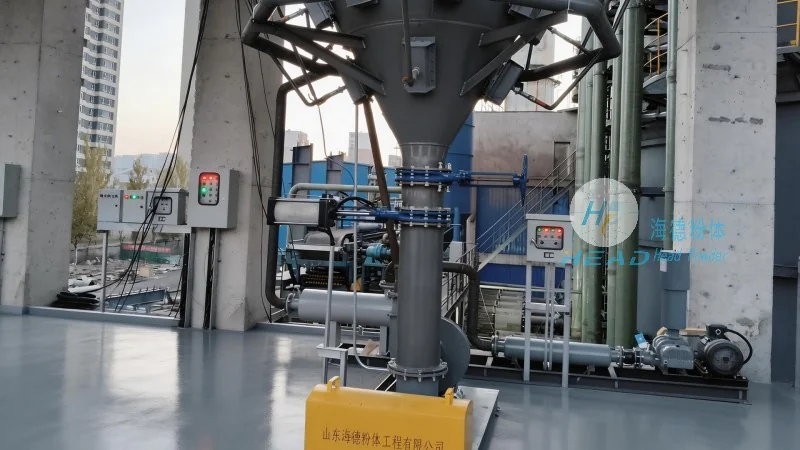
Understanding Pneumatic Conveying Systems for Magnesium Sulfate
Magnesium sulfate, commonly known as Epsom salt, is a widely used chemical in various industries such as pharmaceuticals, agriculture, and water treatment. Efficient and reliable material transport is crucial for maintaining production efficiency and product quality. Pneumatic conveying offers a non-contact, dust-free method to transport bulk materials like magnesium sulfate, making it an ideal choice for many applications.
Negative Pressure (Suction) Pneumatic Conveying Systems
Negative pressure systems, also known as suction conveyors, operate by creating a vacuum at the material inlet to draw the material into the conveying line. This method is particularly effective for transporting materials from multiple sources or over short to medium distances. The system typically consists of a vacuum pump, a material feed hopper, and a series of pipes that transport the material to the discharge point.
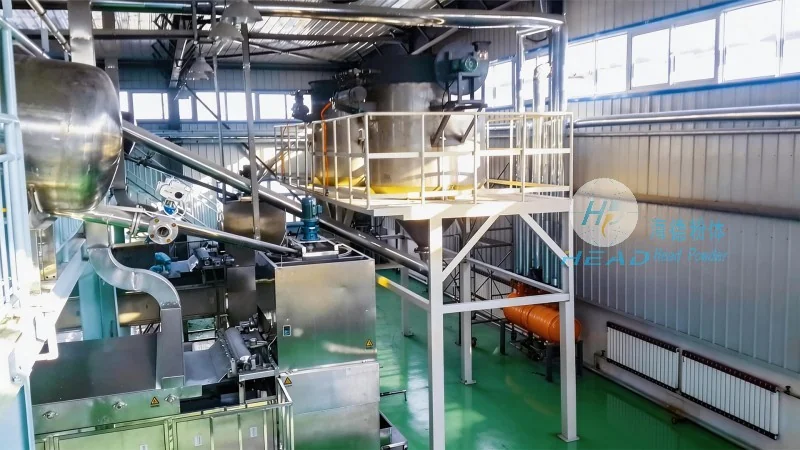
Key advantages of negative pressure systems include their ability to handle fine powders without clogging, low maintenance requirements, and the flexibility to connect multiple feed points. However, they may have limitations in terms of conveying distance and material capacity compared to positive pressure systems.
Positive Pressure (Blow) Pneumatic Conveying Systems
Positive pressure systems, or blow conveyors, use compressed air to push the material through the conveying line. These systems are generally more suitable for longer distances and larger material volumes. The compressed air is introduced at the material feed point, creating a positive pressure that propels the material forward.
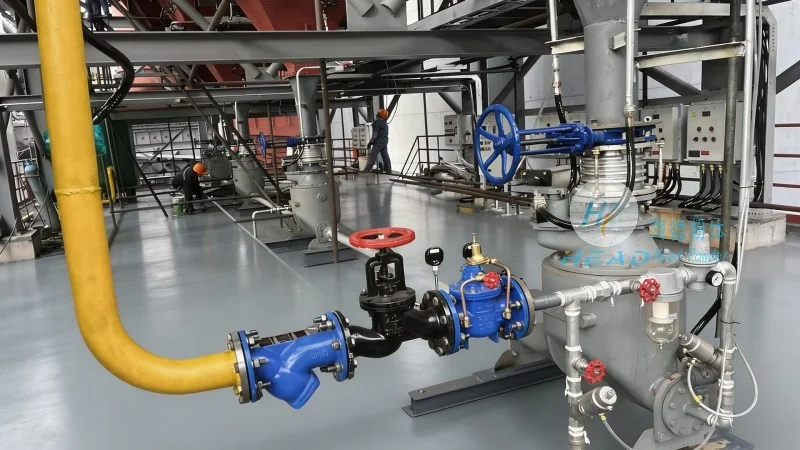
Advantages of positive pressure systems include higher conveying capacities, longer transport distances, and better control over material flow. However, they may require more robust equipment and higher energy consumption compared to negative pressure systems.
Key Considerations for Selecting the Right System
The choice between negative and positive pressure pneumatic conveying systems depends on several factors, including the material characteristics (e.g., particle size, moisture content), the required conveying distance, and the production volume. For example, negative pressure systems are often preferred for handling fine, dusty materials where dust control is critical, while positive pressure systems are more suitable for bulk materials requiring long-distance transport.
Additionally, the system design must consider factors such as material flow rate, pressure drop, and energy efficiency to ensure optimal performance. HeadPowder engineers conduct thorough assessments of each application to recommend the most appropriate system configuration.
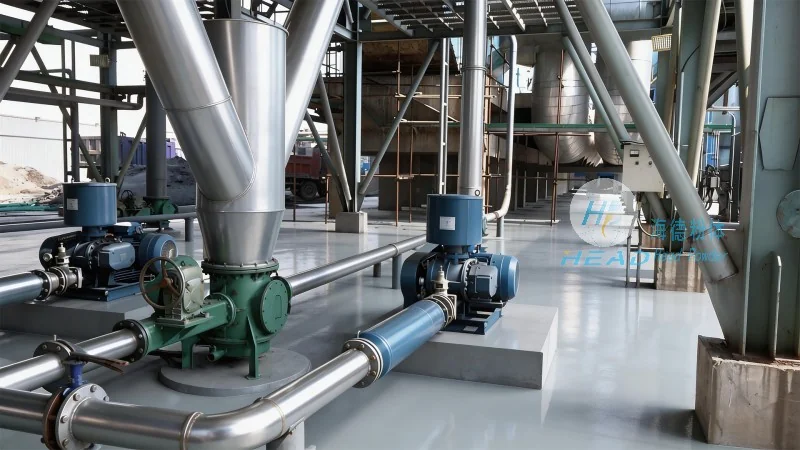
Applications in Industrial Settings
Magnesium sulfate pneumatic conveying systems are widely used in various industrial processes. In the pharmaceutical industry, these systems help transport raw materials to production lines, ensuring a clean and hygienic environment. In agriculture, they facilitate the distribution of magnesium sulfate fertilizers to farms, improving efficiency in nutrient delivery. In water treatment plants, the systems assist in handling magnesium sulfate for pH adjustment and other treatment processes.
HeadPowder's expertise in customizing pneumatic conveying solutions ensures that clients receive systems tailored to their specific operational needs, whether for negative or positive pressure applications.