With more than 10‑year industry experience, Shandong Headpowder delivers full‑service pneumatic‑conveying systems and blowers, undertaking nationwide turn‑key powder‑handling projects.
Stone powder, a critical raw material in various industrial processes, requires efficient and reliable transportation methods to ensure smooth production workflows. Pneumatic conveying systems have emerged as a preferred solution for handling such powders due to their ability to minimize dust generation, enhance safety, and improve material handling efficiency. This article delves into the design principles and key considerations for a stone powder pneumatic conveying system, highlighting the expertise of Shandong HeadPowder Engineering Co., Ltd., a leading manufacturer in the field.
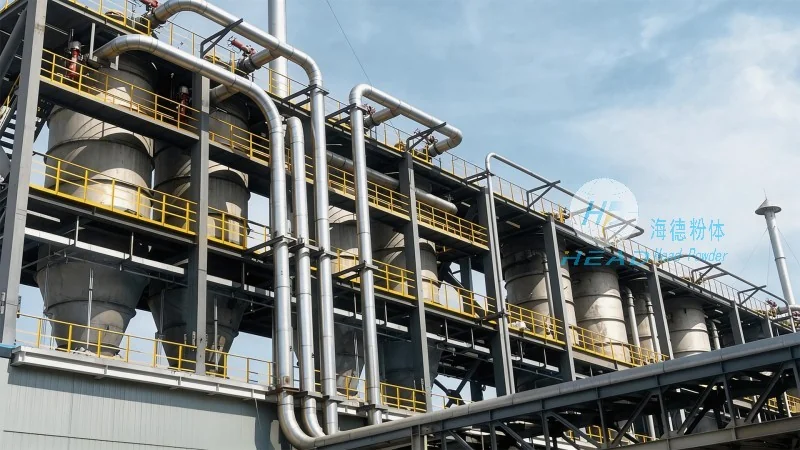
HeadPowder, the professional brand under Shandong HeadPowder Engineering Co., Ltd., specializes in the design, manufacturing, and installation of advanced pneumatic conveying solutions. With a strong presence in China, particularly in Shandong, the company leverages decades of industry experience to deliver customized equipment tailored to the unique needs of clients. The company’s headquarters and primary operations are located in Shandong, China, providing a robust support network for local and international clients.
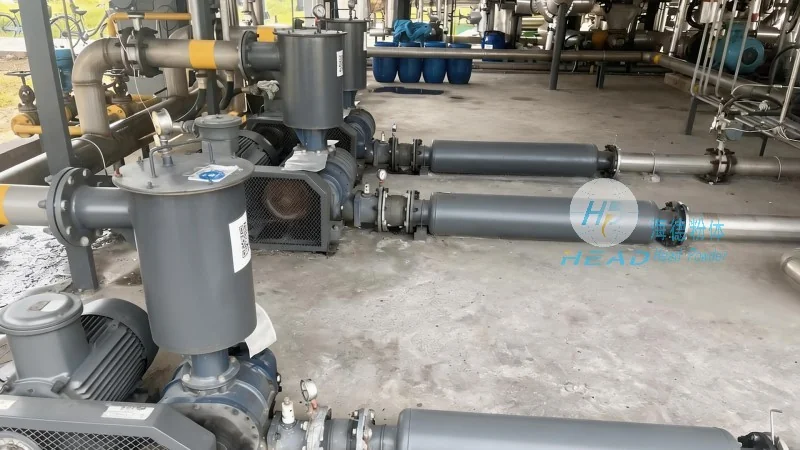
The design of a stone powder pneumatic conveying system involves a comprehensive analysis of several critical factors to ensure optimal performance and longevity. First, the material properties of the stone powder, such as particle size, density, and moisture content, are carefully evaluated. These characteristics directly impact the selection of the conveying method—whether it be pressure or vacuum-based—and the appropriate air flow rates required for efficient transport. Additionally, the system's capacity and the distance over which the material needs to be conveyed are crucial determinants. Engineers at HeadPowder conduct thorough calculations to determine the necessary air velocity, pressure differentials, and equipment sizing to meet these operational demands without compromising on efficiency or safety.
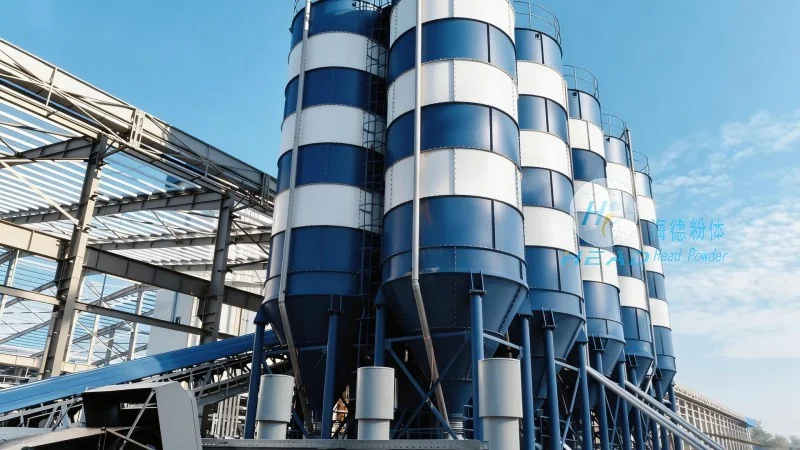
A typical stone powder pneumatic conveying system comprises several key components, each playing a vital role in the overall operation. The system begins with a hopper or feeder that stores and meters the stone powder, ensuring a consistent feed rate. From there, the material is introduced into a conveying line, which may include vertical or horizontal sections depending on the layout. The conveying line is equipped with air ducts that deliver compressed air to propel the powder. Key components include the air compressor, which generates the necessary pressure, and the filter system that captures any fine particles to prevent contamination and maintain air quality. The system also incorporates check valves and flow control devices to regulate the movement of the material and prevent backflow. At the receiving end, a separator or cyclone separates the powder from the air, allowing the material to be deposited in the target location while the air is recirculated or discharged.
The stone powder pneumatic conveying system designed by HeadPowder is versatile and suitable for a wide range of applications across various industries. In the construction sector, it is used for transporting cement, lime, and other fine powders to mixing plants and storage silos. In the chemical industry, it facilitates the handling of raw materials like calcium carbonate and silica, ensuring precise dosing in production processes. The system also finds applications in mining operations, where it efficiently transports crushed stone and ore from processing facilities to storage or shipping areas. The operational benefits of this system are significant, including reduced labor costs due to automated material handling, minimized environmental impact by containing dust and preventing spills, and enhanced safety by eliminating manual handling of powders. Furthermore, the system's compact design allows for easy integration into existing production lines, minimizing downtime during installation and operation.
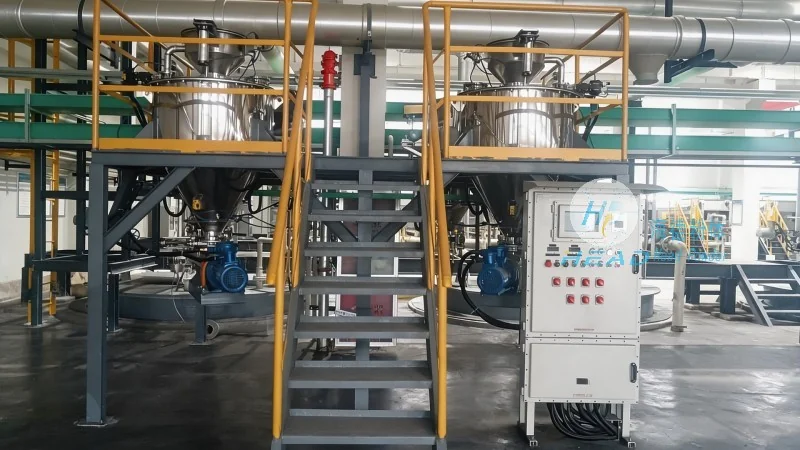
HeadPowder offers a range of technical specifications and customization options to meet the diverse requirements of clients. The pneumatic conveying systems are available in various pressure ranges, from low-pressure vacuum systems suitable for short-distance transport to high-pressure pressure systems capable of handling longer distances and more challenging material properties. The company provides options for both positive and negative pressure conveying, allowing flexibility in system design. Clients can also choose from different materials of construction, such as stainless steel or carbon steel, depending on the chemical compatibility of the stone powder and the operating environment. Additionally, the system can be equipped with advanced control systems, including sensors and automation software, to monitor and adjust the conveying process in real-time. This ensures optimal performance and allows for remote monitoring and maintenance, reducing operational costs and enhancing system reliability.

 Shandong Headpowder Engineering Co., Ltd.
 156-6277-7102(Manager Zhang)
  0531-83386006
  Zhangqiu District, Jinan City, Shandong Province, China
telephone
WeChatconsult
top