With more than 10‑year industry experience, Shandong Headpowder delivers full‑service pneumatic‑conveying systems and blowers, undertaking nationwide turn‑key powder‑handling projects.
Stearic acid sodium, a widely used chemical additive in various industrial applications, often requires efficient and reliable material handling solutions for its transportation. Pneumatic conveying technology offers a viable method to transport such materials, with negative pressure and positive pressure systems being the two primary approaches. This article provides a comprehensive analysis of the application of stearic acid sodium in pneumatic conveying, focusing on the technical aspects and practical implementations of both negative pressure and positive pressure systems.
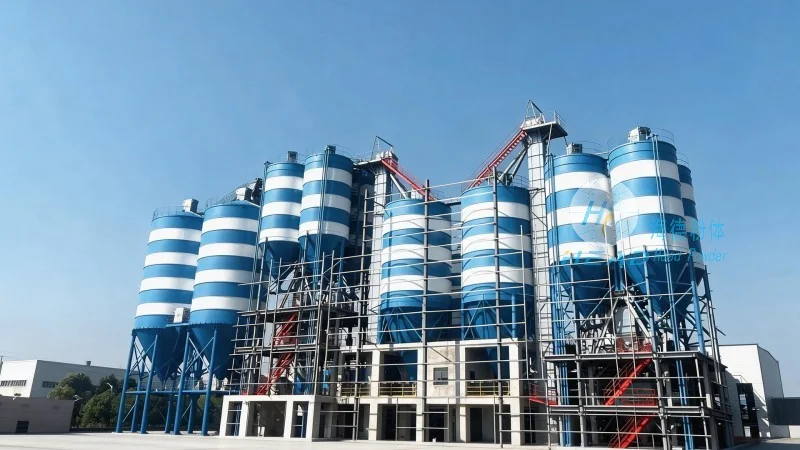
Stearic acid sodium, also known as sodium stearate, is a sodium salt of stearic acid. It is commonly used as a surfactant, emulsifier, and stabilizer in industries such as food, cosmetics, and pharmaceuticals. Due to its fine powder nature and potential for dust generation, traditional methods like bucket elevators or belt conveyors may not be suitable for its handling. Pneumatic conveying systems provide an effective solution by transporting the material in a fluidized state using air or gas, minimizing dust and ensuring a clean transfer process.
Negative pressure (or vacuum) pneumatic conveying systems operate by creating a low-pressure zone at the material discharge point, drawing the material into the conveying line through a vacuum. This method is particularly effective for transporting materials from multiple sources or over relatively short distances. The system typically consists of a vacuum pump, a conveying line, and a receiver where the material is deposited. For stearic acid sodium, negative pressure systems are advantageous when dealing with fine powders that are prone to caking or agglomeration, as the vacuum helps maintain material flow and prevents blockages.
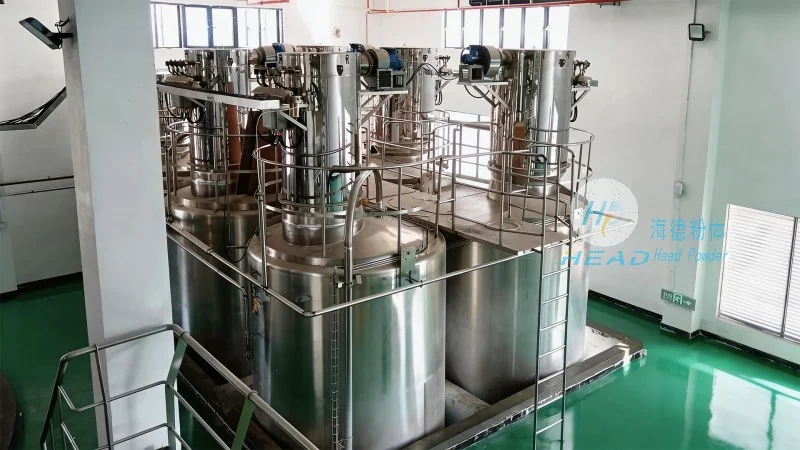
Positive pressure systems, on the other hand, use a blower or compressor to generate high-pressure air that pushes the material through the conveying line. This approach is suitable for longer distances and more complex layouts, as the positive pressure ensures consistent material flow and can handle larger quantities. In the context of stearic acid sodium, positive pressure systems are often preferred for applications requiring high throughput or when the material needs to be transported to multiple destinations. The system design includes a pressure vessel, a conveying line, and a discharge point where the material is released under pressure.
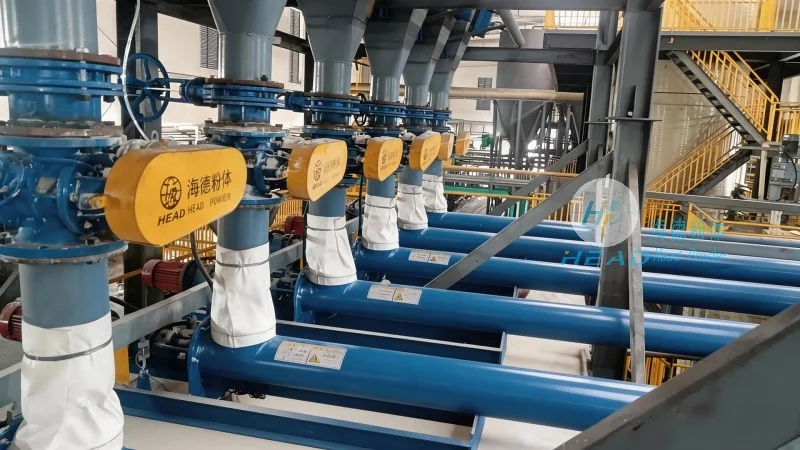
When implementing pneumatic conveying for stearic acid sodium, several technical factors must be considered to ensure optimal performance. These include the material's particle size, moisture content, and flow characteristics, as well as the system's pressure differential and air velocity. For negative pressure systems, the vacuum level and the number of pick-up points are critical to maintain a stable flow. In positive pressure systems, the air pressure and the diameter of the conveying line are key parameters that affect the conveying capacity and efficiency.
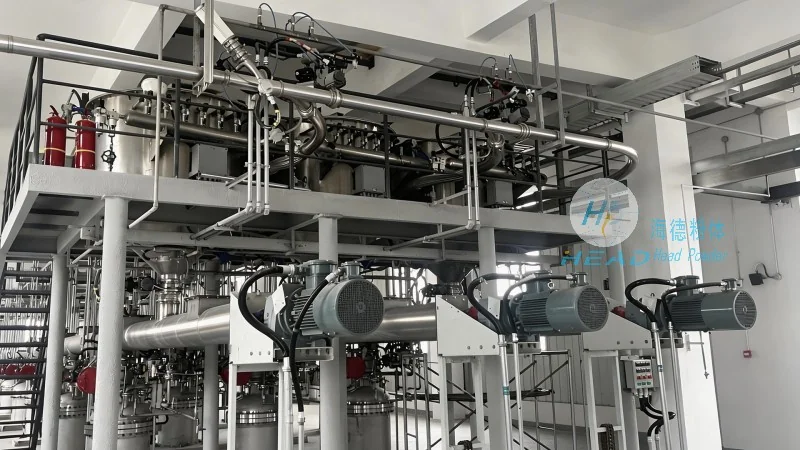
Practical applications of stearic acid sodium pneumatic conveying include its use in food processing plants, where it is added to ingredients during production, and in cosmetic manufacturing, where it is incorporated into formulations. In these scenarios, the ability to handle fine powders without dust contamination is crucial, and both negative and positive pressure systems have been successfully deployed. For instance, a food processing facility in China utilized a negative pressure system to transport stearic acid sodium from storage silos to mixing tanks, achieving a dust-free transfer and maintaining product quality.
Shandong HeadPowder Engineering Co., Ltd., commonly known as HeadPowder, is a leading provider of pneumatic conveying solutions tailored to the needs of chemical and material handling industries. With a focus on innovation and customer-centric design, the company specializes in customizing conveying systems for various applications, including those involving stearic acid sodium. HeadPowder's expertise lies in the integration of advanced technology and practical engineering to deliver efficient, reliable, and cost-effective solutions for material transport. The company operates from China, leveraging local manufacturing capabilities and industry knowledge to serve clients globally.

 Shandong Headpowder Engineering Co., Ltd.
 156-6277-7102(Manager Zhang)
  0531-83386006
  Zhangqiu District, Jinan City, Shandong Province, China
telephone
WeChatconsult
top