

Comparison of Common Wood Fiber Conveying Methods: Advantages and Disadvantages
Wood fiber is a vital raw material in various industries, including papermaking, textiles, and construction. The efficient and reliable transportation of wood fibers from processing sites to production lines is crucial for maintaining operational efficiency and product quality. This article provides a detailed comparison of common wood fiber conveying methods, highlighting their advantages and disadvantages to help industries select the most suitable system for their specific needs.
Introduction to Wood Fiber Conveying Systems
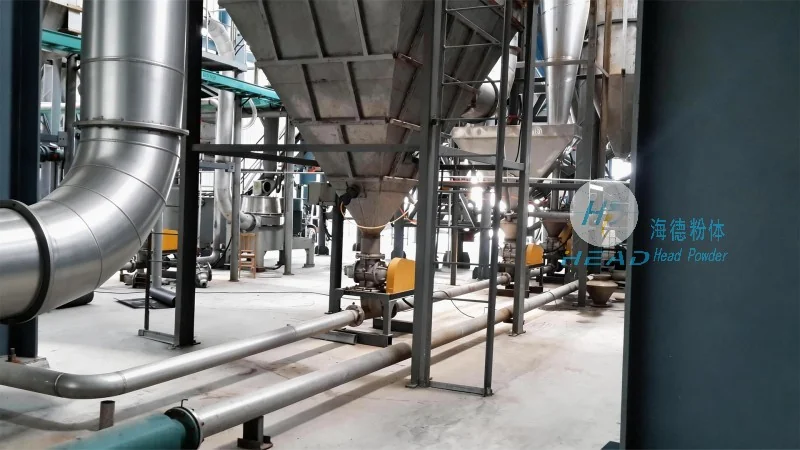
Wood fiber conveying systems are designed to transport wood fibers in a controlled manner, ensuring minimal damage and loss during the process. The choice of conveying method depends on factors such as the type of wood fiber, production volume, distance to be covered, and the desired level of automation. Common methods include screw conveyors, pneumatic conveying systems, belt conveyors, and hydraulic systems. Each method has unique characteristics that make it suitable for different applications.
Screw Conveyors: A Traditional and Versatile Option
Screw conveyors, also known as auger conveyors, are one of the most widely used wood fiber conveying methods. They consist of a rotating screw (auger) inside a trough, which moves the material forward through the system. Screw conveyors are particularly effective for handling fibrous materials like wood chips and sawdust due to their ability to maintain a consistent flow and minimize material degradation.
Advantages of screw conveyors include their simplicity, low maintenance requirements, and ability to operate in a vertical or horizontal configuration. They are also suitable for handling materials with varying moisture content and can be easily integrated into existing production lines. However, screw conveyors have limitations, such as their lower capacity compared to other methods and the potential for material buildup in the trough, especially with high-volume applications.
Pneumatic Conveying Systems: High-Capacity and Flexible Solutions
Pneumatic conveying systems use air or other gases to transport wood fibers through a pipeline. These systems are highly efficient for long-distance and high-volume transportation, making them ideal for industries with large-scale production needs. Pneumatic systems can be categorized into two main types: pressure and vacuum systems. Pressure systems use compressed air to push the material through the pipeline, while vacuum systems use suction to draw the material.
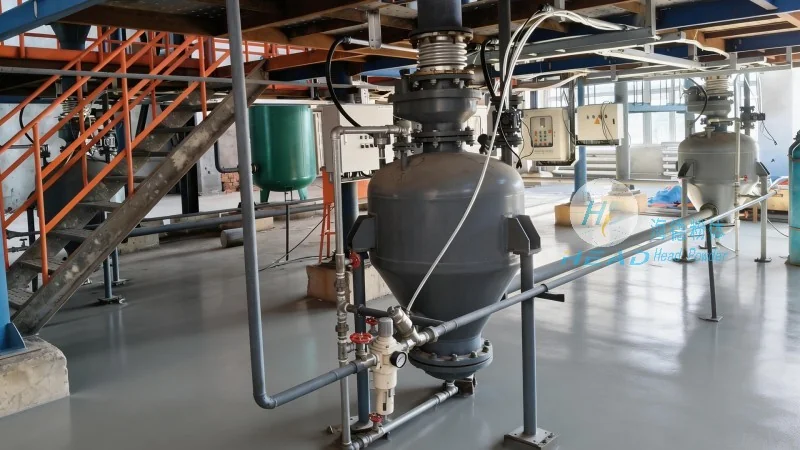
One of the key advantages of pneumatic conveying is its ability to handle a wide range of materials, including fine powders and fibrous materials, without the need for additional equipment. They also offer flexibility in terms of layout, as the pipeline can be arranged in various configurations to suit the production facility. However, pneumatic systems require higher energy consumption compared to other methods and may be less suitable for materials with high moisture content, as this can lead to blockages and increased maintenance.
Belt Conveyors: Ideal for Large-Scale and Heavy-Duty Applications
Belt conveyors are another common method for wood fiber transportation, particularly in industries that require the movement of large volumes of bulk materials. These systems consist of a continuous belt that moves over rollers or pulleys, transporting the material from one point to another. Belt conveyors are known for their high capacity and durability, making them suitable for heavy-duty applications.
The primary advantage of belt conveyors is their ability to handle large quantities of material with minimal energy consumption. They are also relatively easy to install and maintain, and can be customized to fit specific production requirements. However, belt conveyors have limitations, such as their susceptibility to material spillage and the need for regular cleaning to prevent blockages. Additionally, they may not be suitable for materials with high moisture content or those that are prone to sticking to the belt.
Hydraulic Conveying Systems: Precision and Control
Hydraulic conveying systems use hydraulic fluid to transport wood fibers through a pipeline. These systems are known for their precision and control, making them ideal for applications that require accurate positioning and minimal material loss. Hydraulic systems are often used in industries where the material needs to be transported with high accuracy, such as in the production of high-quality paper or specialty textiles.
Advantages of hydraulic conveying include their ability to handle materials with high moisture content and their low maintenance requirements. They also offer high efficiency and can be easily integrated into automated production lines. However, hydraulic systems are more complex and expensive compared to other methods, and they require specialized maintenance to ensure optimal performance.
Choosing the Right Conveying Method for Your Industry
Selecting the appropriate wood fiber conveying method is a critical decision that can significantly impact operational efficiency and product quality. Factors such as material characteristics, production volume, distance, and budget should all be considered when making this choice. For example, screw conveyors may be suitable for small to medium-scale operations with moderate material volumes, while pneumatic systems are better suited for large-scale production with high material throughput.
It is also important to consider the long-term maintenance and operational costs of each system. While some methods may have lower initial costs, they may require higher maintenance expenses over time. Additionally, the availability of spare parts and technical support should be evaluated to ensure reliable operation.
HeadPowder: Your Trusted Partner in Wood Fiber Conveying Solutions
Shandong HeadPowder Engineering Co., Ltd. is a leading manufacturer of wood fiber conveying systems, providing high-quality and reliable solutions for industries worldwide. With years of experience in the industry, HeadPowder has developed advanced technologies and innovative designs to meet the diverse needs of its clients. The company specializes in customizing conveying systems to suit specific production requirements, ensuring optimal performance and efficiency.
HeadPowder's products are designed with durability and efficiency in mind, using high-quality materials and advanced manufacturing techniques. The company's team of experts provides comprehensive support, from initial consultation and system design to installation and maintenance. With a strong commitment to customer satisfaction, HeadPowder has built a reputation as a trusted partner in the wood processing industry.
Whether you are in the papermaking, textile, or construction industry, HeadPowder offers a range of wood fiber conveying solutions that can help improve your operational efficiency and product quality. Contact HeadPowder today to learn more about their products and services and how they can help you achieve your production goals.