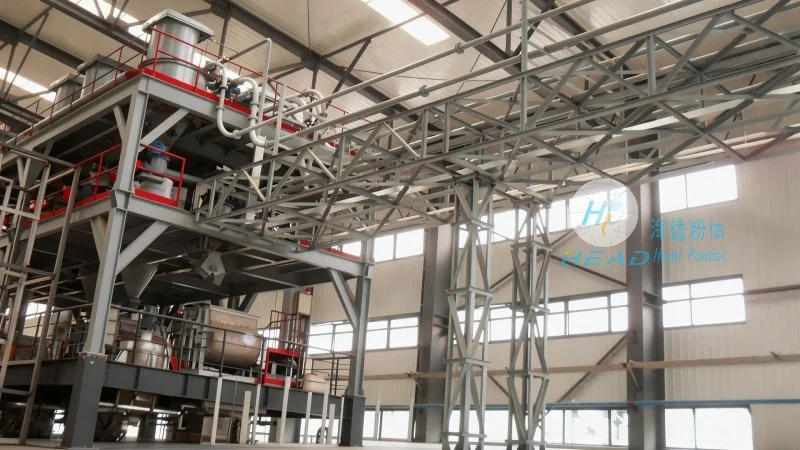
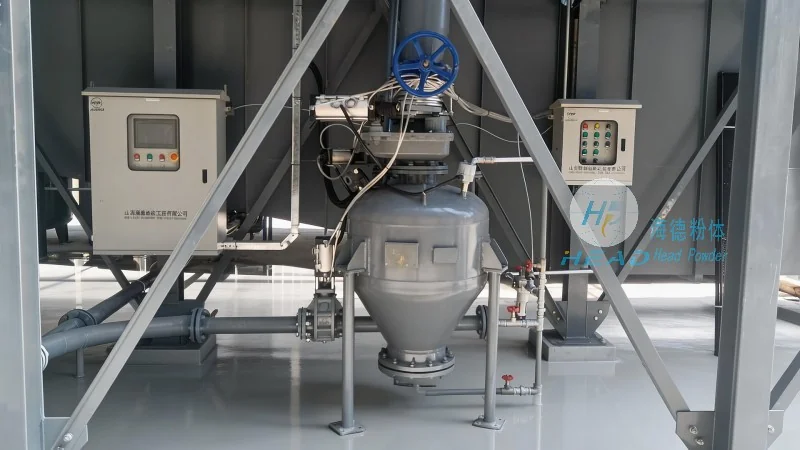
With more than 10‑year industry experience, Shandong Headpowder delivers full‑service pneumatic‑conveying systems and blowers, undertaking nationwide turn‑key powder‑handling projects.
In the complex landscape of polymer processing, the efficient and hygienic transport of additives is a pivotal factor in maintaining product quality. Masterbatch, a concentrated mixture of pigments or additives encapsulated in a carrier, presents unique challenges during handling. Unlike standard bulk materials, masterbatch is prone to static electricity, dust generation, and degradation if not handled correctly. Consequently, the selection of an appropriate **Masterbatch Pneumatic Conveying Scheme** is not merely an operational choice but a critical decision that impacts the entire production line's efficiency and safety. A poorly designed system can lead to cross-contamination, blockages, and significant energy losses, while a robust system ensures a continuous, dust-free flow of material from storage silos to processing hoppers.
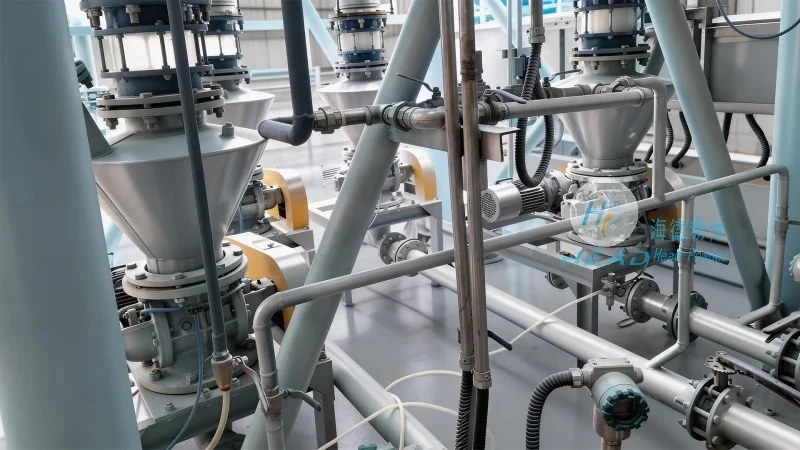
Every manufacturing facility has unique spatial constraints, material properties, and production demands. Therefore, a "one-size-fits-all" approach is rarely effective in the realm of bulk material handling. This is where the expertise of a specialized **Masterbatch Pneumatic Conveying Manufacturer** becomes indispensable. A customized **Masterbatch Pneumatic Conveying Scheme** takes into account the specific density of the masterbatch, the distance and elevation changes required for transport, and the environmental regulations of the facility.
By tailoring the system to the client's specific needs, engineers can optimize the air-to-material ratio, minimize wear on pipes, and ensure precise dosing. Whether the requirement is a vacuum system for high cleanliness or a pressure system for long-distance transport, a bespoke solution maximizes throughput while reducing operational costs. This customization ensures that the **Masterbatch Conveying System** integrates seamlessly with existing production lines, reducing downtime during installation and commissioning.
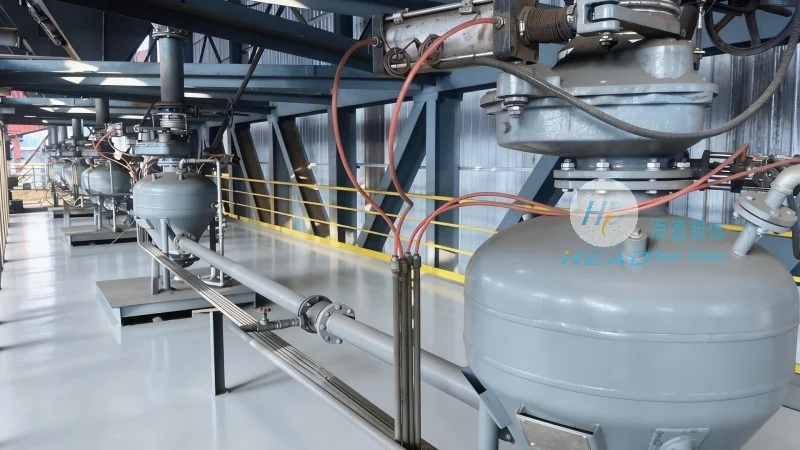
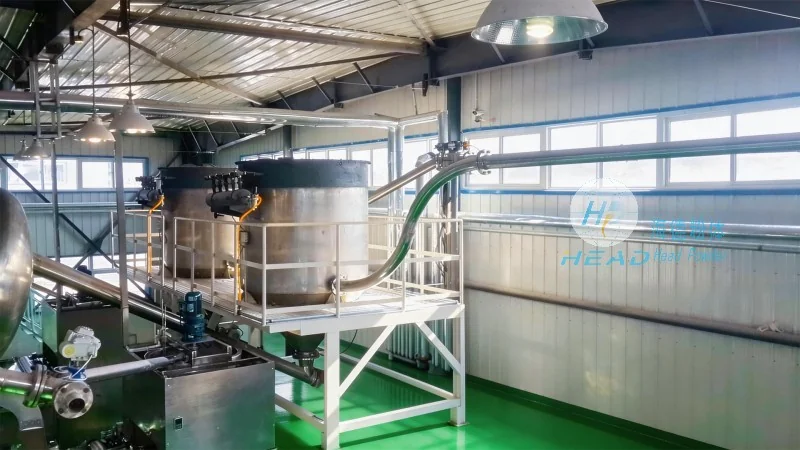
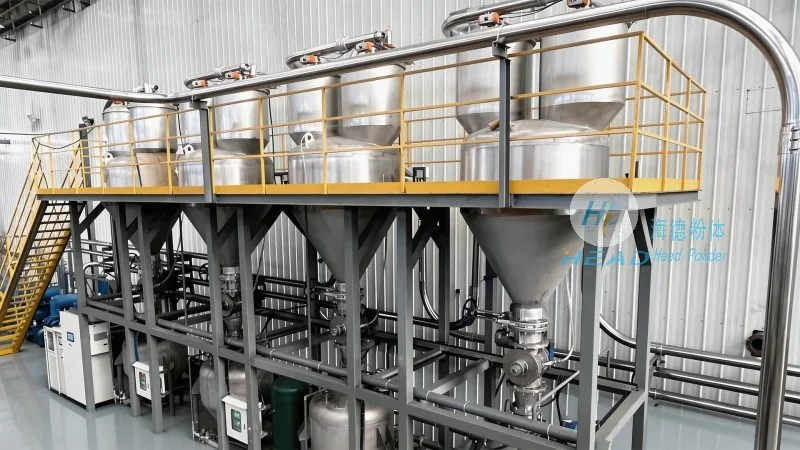
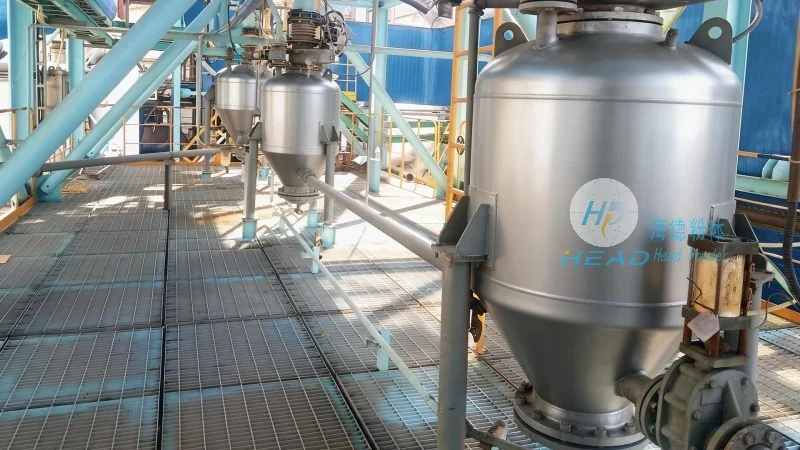
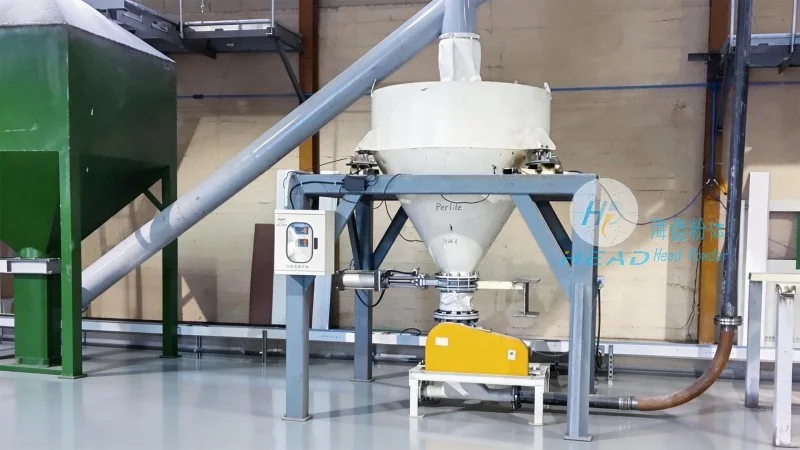
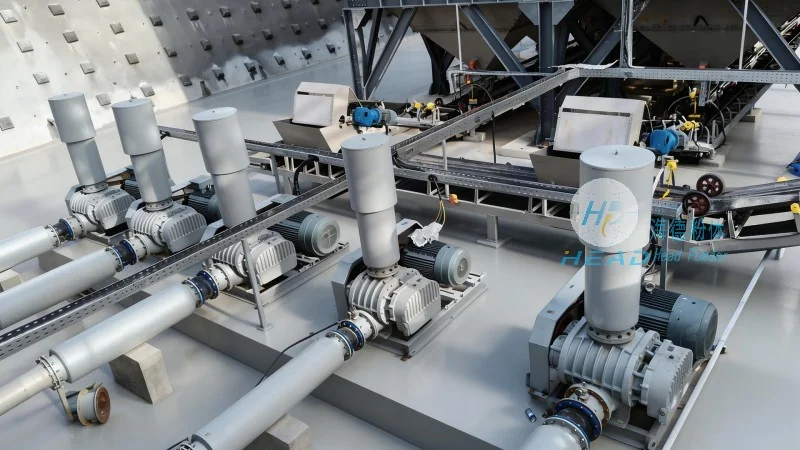
A high-performance **Masterbatch Conveying System Equipment** set is designed with precision engineering to handle the delicate nature of color concentrates. The system typically consists of several critical components working in unison. At the heart of the system is the air supply unit, which must provide consistent pressure or vacuum to move the material through the pipeline without causing attrition or degradation of the pigment particles.
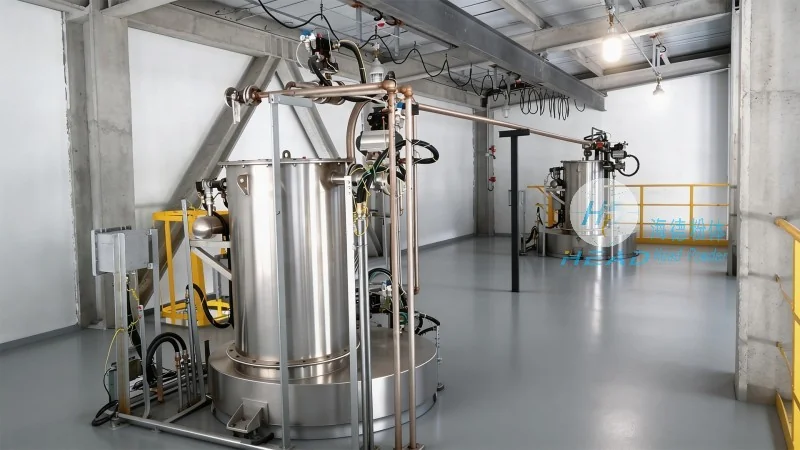
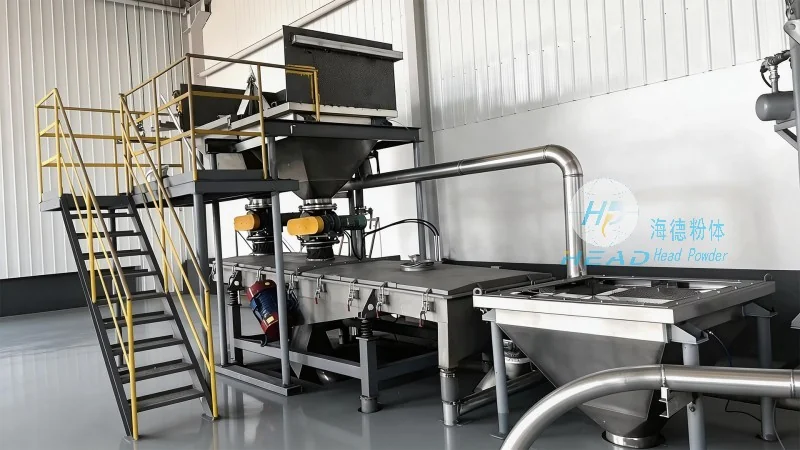
Advanced filtration and dedusting units are integral to the equipment, ensuring that no fine dust escapes into the workshop environment—a critical requirement for maintaining hygiene standards in the plastics industry. Furthermore, modern systems often incorporate rotary valves and airlocks to maintain pressure differentials, preventing backflow and ensuring a stable flow rate. The use of wear-resistant materials in the piping and rotary valves extends the service life of the equipment, offering a long-term return on investment for plant managers focused on reliability and maintenance schedules.
Located in Shandong, China, **Shandong Headpowder Engineering Co., Ltd.** has established itself as a premier entity in the field of bulk material handling. As a dedicated **Masterbatch Pneumatic Conveying Manufacturer**, the company combines deep technical knowledge with practical manufacturing experience. The company focuses on providing comprehensive solutions that address the specific pain points of colorant and additive transportation.
The team at Headpowder understands that the quality of the final plastic product is often determined by the purity of the masterbatch. Therefore, their systems are engineered to prevent cross-contamination between different colors or batches. Their portfolio of **Masterbatch Conveying System Equipment** is robust, scalable, and adaptable to various industrial scales, from small batch processing plants to large-scale continuous production facilities.
Choosing the right partner for pneumatic conveying is essential for long-term operational success. **Shandong Headpowder Engineering Co., Ltd.** offers several distinct advantages to clients. First, their commitment to R&D ensures that the **Masterbatch Pneumatic Conveying Scheme** they provide is at the cutting edge of technology, incorporating the latest energy-saving and automation features.
Second, the company prioritizes safety. Their systems are designed with explosion-proof measures and advanced dust collection capabilities, minimizing risks associated with fine polymer powders. Third, they offer end-to-end service, from initial site surveys and flow path design to installation supervision and after-sales support. By partnering with Headpowder, clients gain a reliable ally committed to enhancing their production efficiency and material handling safety.
In conclusion, the efficient transport of masterbatch is a cornerstone of modern plastic manufacturing. Investing in a professional **Masterbatch Conveying System** ensures product consistency, environmental compliance, and operational efficiency. For businesses seeking a reliable **Masterbatch Pneumatic Conveying Manufacturer**, **Shandong Headpowder Engineering Co., Ltd.** stands ready to provide expert engineering solutions tailored to your specific industrial requirements.
To discuss your specific project needs or to request a detailed proposal, please contact our engineering team directly. You may reach out to our experienced manager, Mr. Zhang, for a consultation. We look forward to working with you to optimize your material handling processes.
Contact Person: Manager Zhang
WeChat: 15662777102

 Shandong Headpowder Engineering Co., Ltd.
 156-6277-7102(Manager Zhang)
  0531-83386006
  Zhangqiu District, Jinan City, Shandong Province, China
telephone
WeChatconsult
top