With more than 10‑year industry experience, Shandong Headpowder delivers full‑service pneumatic‑conveying systems and blowers, undertaking nationwide turn‑key powder‑handling projects.
Soda ash, or sodium carbonate, is a fundamental chemical raw material widely used in glass manufacturing, detergents, paper production, and water treatment. Given its extensive industrial applications, the efficient and safe transport of soda ash from storage silos to processing units or packaging areas is critical for maintaining production continuity. Manual handling of soda ash is not only labor-intensive but also poses significant health risks due to dust exposure. Therefore, implementing a robust pneumatic conveying system is essential for modern industrial facilities. This is where specialized expertise becomes invaluable, ensuring that the material moves smoothly without compromising quality or safety.
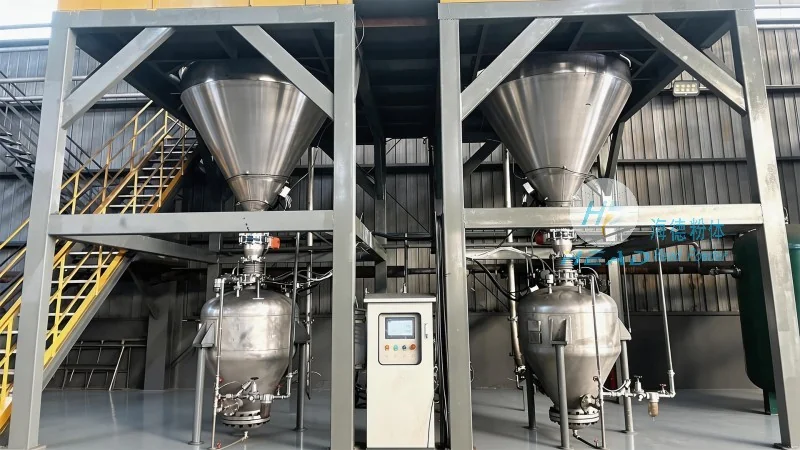
Selecting the right partner for your material handling needs is a decision that impacts your entire operation's efficiency. A professional soda ash pneumatic conveying manufacturer brings technical expertise, engineering precision, and years of industry experience to the table. Unlike generic equipment suppliers, a dedicated manufacturer focuses on the specific challenges associated with conveying fine, powdery materials like soda ash. They understand the nuances of flowability, abrasiveness, and dust control. By partnering with a specialized manufacturer, companies can ensure that they receive equipment designed specifically for the properties of soda ash, leading to reduced maintenance costs and extended equipment lifespan.
Every industrial facility has unique spatial constraints, production capacities, and material handling requirements. A one-size-fits-all approach rarely works in complex industrial environments. This is why soda ash pneumatic conveying solutions must be customized. A reputable engineering team will conduct a thorough site survey to analyze the distance between the source and destination, the vertical and horizontal layout of the plant, and the specific volume of soda ash that needs to be moved.
Customized solutions may involve designing specialized pipelines that navigate around existing machinery, selecting the appropriate conveying mode—whether dilute phase, dense phase, or vacuum conveying—and integrating the system seamlessly with the client's existing control systems. This tailored approach ensures that the system operates at maximum efficiency, minimizing energy consumption while maximizing throughput. Whether the goal is to transport soda ash over long distances or to multiple storage points within a facility, a bespoke solution guarantees optimal performance.
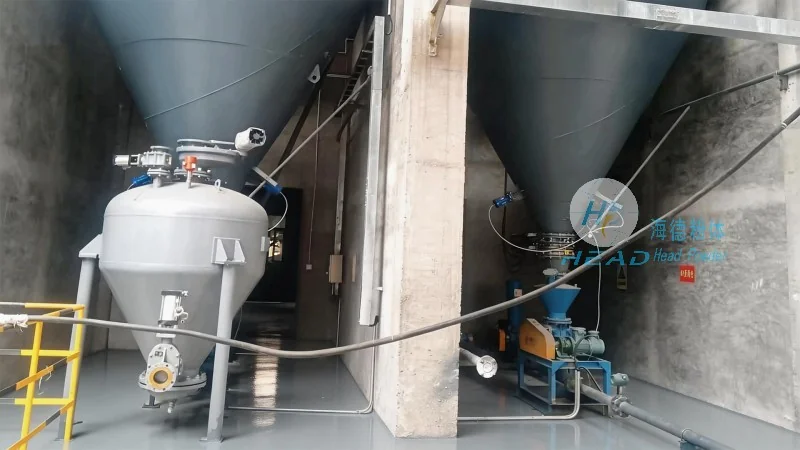
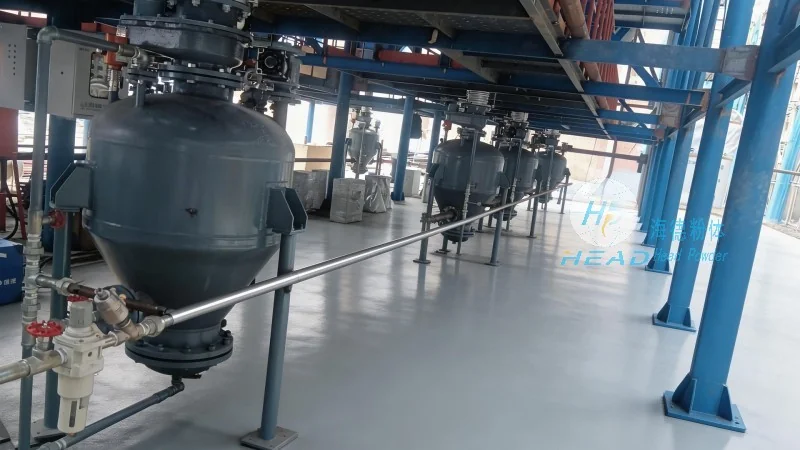
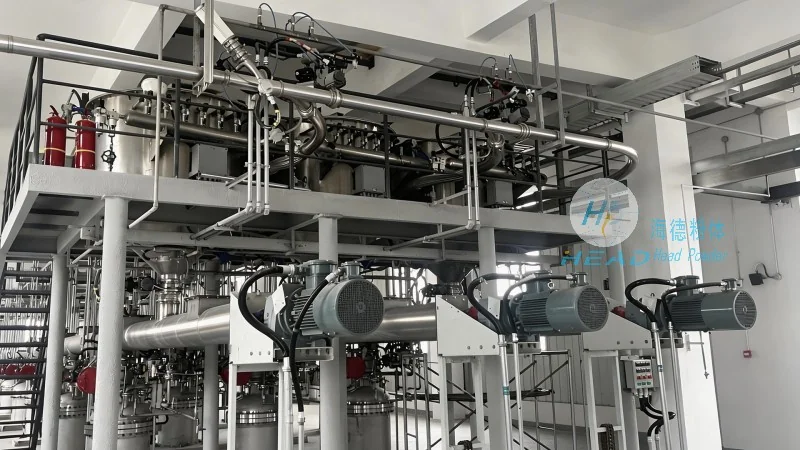
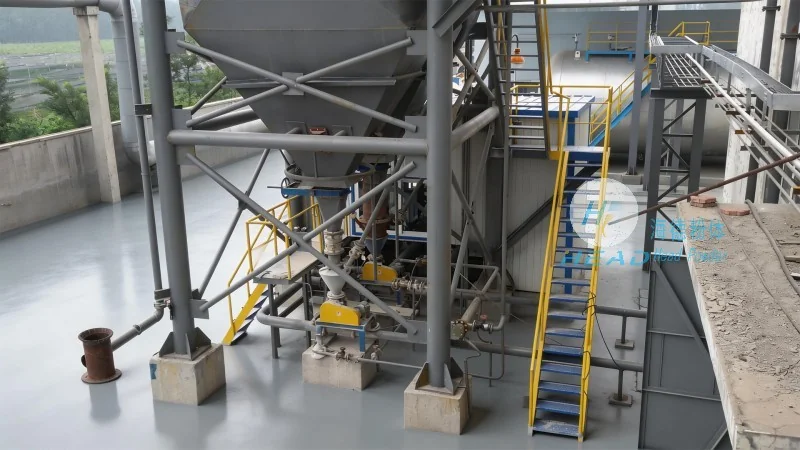
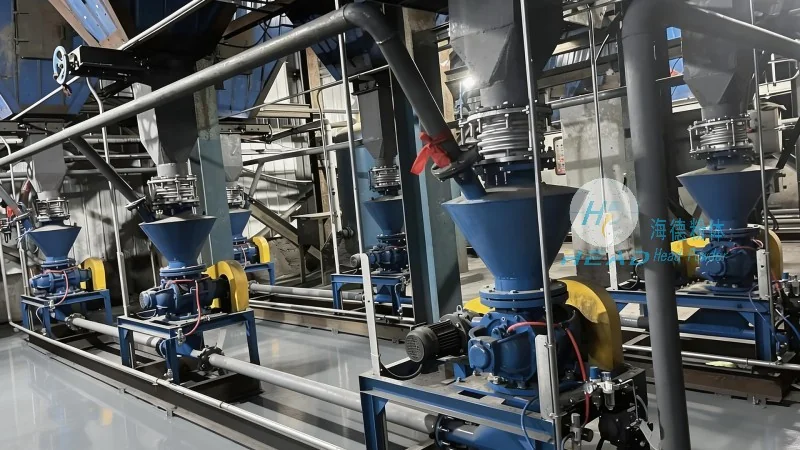
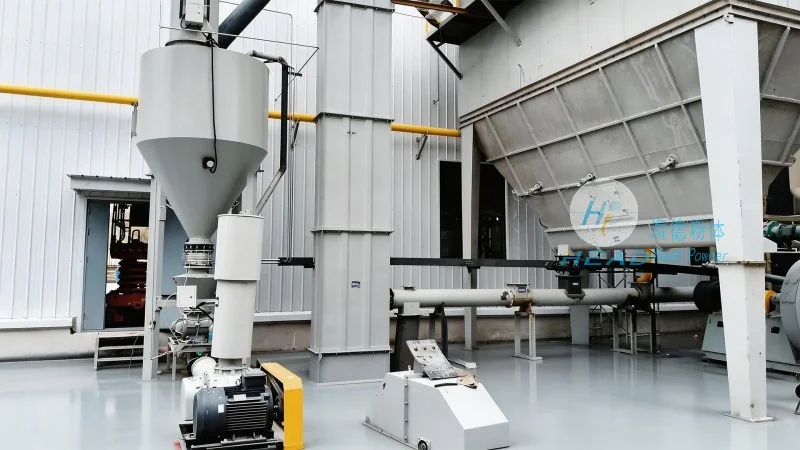
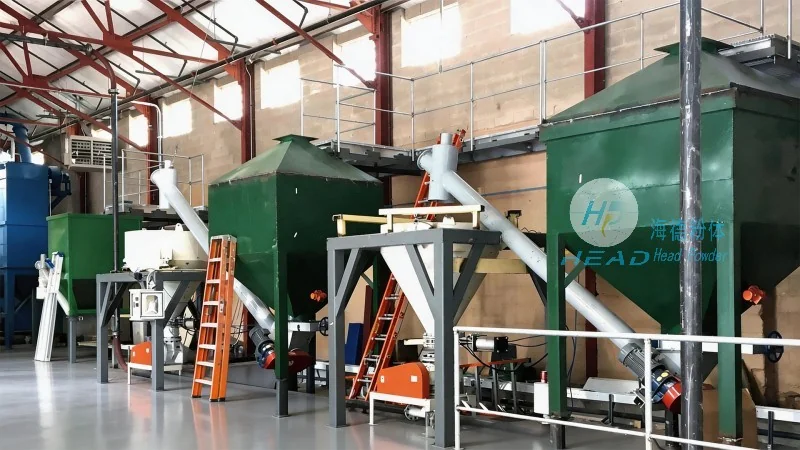
A reliable soda ash conveying system is composed of several critical components that work in unison to achieve seamless material transfer. The foundation of the system is the air supply, typically provided by high-quality Roots blowers or screw compressors, which generate the necessary pressure or vacuum to move the material. These are often paired with advanced control valves that regulate the flow rate and pressure to prevent material degradation.
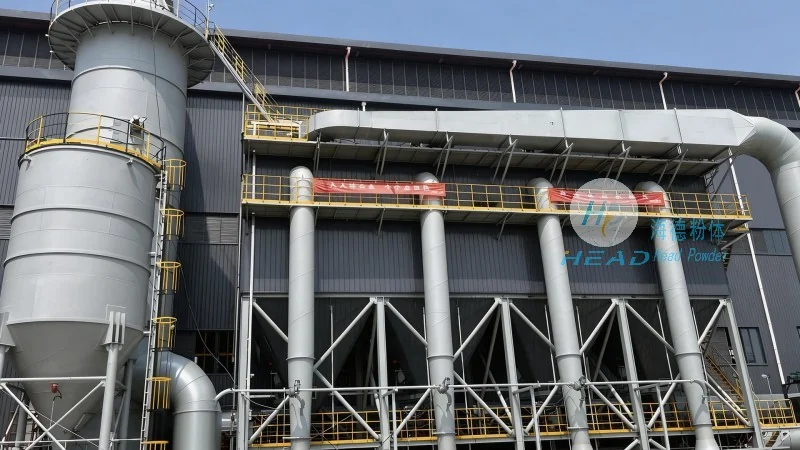
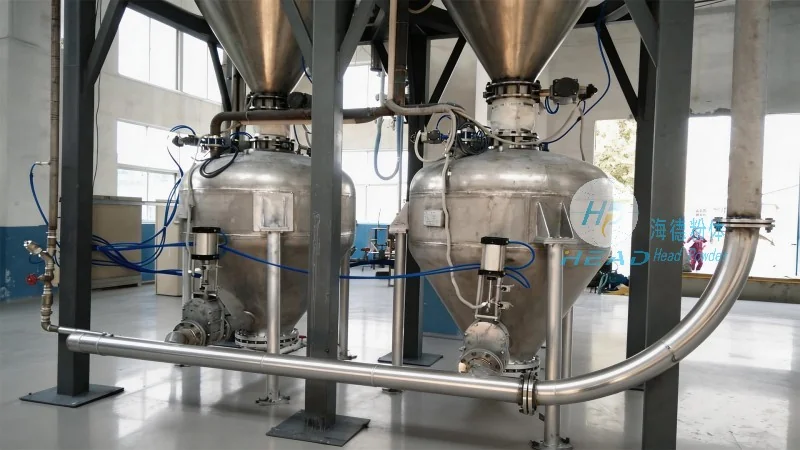
Transportation is achieved through a network of durable pipes, often made of stainless steel or carbon steel, depending on the corrosiveness of the environment. At the receiving end, the system includes efficient separators and cyclones that separate the soda ash from the air stream, ensuring a clean product output. Dust collectors are also integral to the system, capturing any fine particles that might escape, thereby protecting the environment and meeting regulatory standards. By utilizing high-grade components and precision engineering, the system ensures that the soda ash remains in its original state, free from moisture or contamination, throughout the entire transportation process.
One of the primary advantages of pneumatic conveying over mechanical conveyors is the inherent safety it offers. Soda ash is a fine powder that can be hazardous if inhaled. A well-designed pneumatic system is completely sealed, eliminating the risk of dust explosions and protecting workers from respiratory issues. Furthermore, the enclosed nature of the system prevents the release of particulate matter into the atmosphere, which is crucial for maintaining a clean working environment and complying with strict environmental regulations.
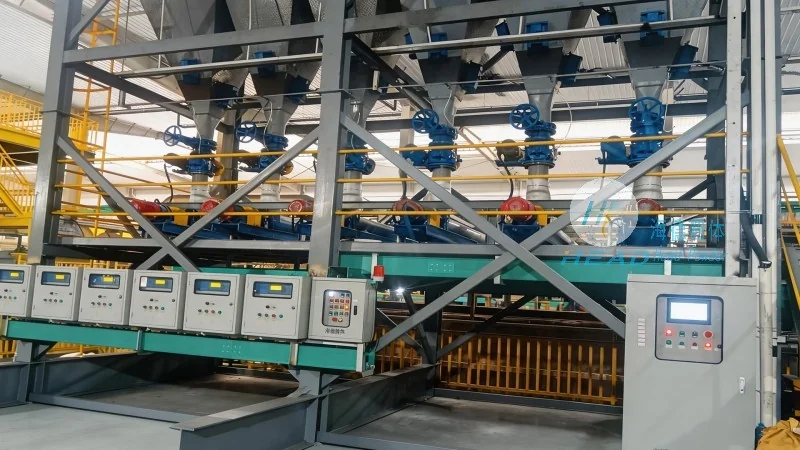
Modern systems are also equipped with advanced monitoring sensors that detect blockages, leaks, or pressure fluctuations in real-time. This proactive monitoring allows for immediate maintenance interventions, preventing costly downtime. For facilities in China, specifically those located in industrial hubs like Shandong, adhering to these safety and environmental standards is not just a legal requirement but a mark of operational excellence. A professional manufacturer ensures that all equipment meets rigorous safety certifications and is designed with fail-safe mechanisms to protect both the personnel and the facility.
Investing in a pneumatic conveying system is a long-term commitment that extends beyond the initial installation. It requires ongoing technical support and maintenance. A leading manufacturer provides comprehensive after-sales services, including detailed operator training, regular maintenance schedules, and readily available spare parts. This ensures that the system continues to operate at peak efficiency for years to come.
For businesses looking to upgrade their logistics infrastructure, it is vital to engage with a supplier that offers end-to-end support. From the initial conceptual design to the final commissioning and ongoing service, the manufacturer acts as a trusted partner. This collaborative approach minimizes the learning curve for the client's operations team and ensures that any technical challenges are resolved quickly and effectively.
To discuss your specific soda ash handling requirements, it is essential to connect with experts who understand the intricacies of powder engineering. Shandong Headpowder Engineering Co., Ltd. is a premier provider dedicated to delivering superior material handling solutions. As a specialized soda ash pneumatic conveying manufacturer, we pride ourselves on our ability to deliver customized soda ash pneumatic conveying solutions that drive productivity and safety.
If you are looking for a reliable partner to design and implement a state-of-the-art soda ash conveying system, we invite you to reach out to us. Our team of experienced engineers is ready to analyze your site and provide a tailored proposal that meets your exact specifications. Please contact Manager Zhang directly for a consultation. You can reach him via WeChat at 15662777102. We look forward to helping you optimize your production processes and achieve seamless material transportation.

 Shandong Headpowder Engineering Co., Ltd.
 156-6277-7102(Manager Zhang)
  0531-83386006
  Zhangqiu District, Jinan City, Shandong Province, China
telephone
WeChatconsult
top