Introduction to Calcium Oxide Powder Handling Systems: Structure and Working Principles
Release time:2026-09-22 04:01:32
name of the company:Shandong Headpowder Engineering Co., Ltd.
telephone:156-6277-7102
contacts:Manager Zhang
Calcium oxide, commonly known as quicklime, is a widely used chemical in various industrial applications due to its high reactivity and versatility. Efficient handling and transportation of calcium oxide powder are critical for maintaining process efficiency and safety in industrial settings. This article provides an overview of a specialized powder handling system designed for calcium oxide, detailing its structural components and operational principles.
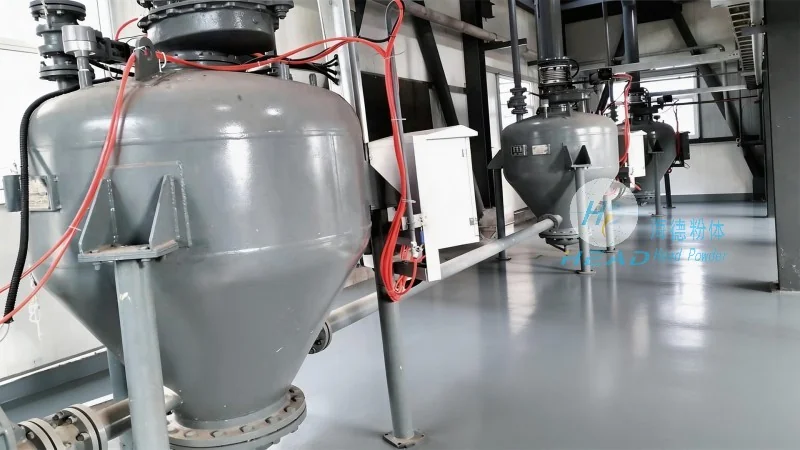
Overview of the Calcium Oxide Powder Handling System
The calcium oxide powder handling system developed by Shandong HeadPowder Engineering Co., Ltd. is engineered to address the unique challenges associated with transporting and storing this reactive material. The system integrates advanced engineering solutions to ensure reliable, safe, and efficient operation, making it suitable for a range of industrial applications where calcium oxide is a key component.
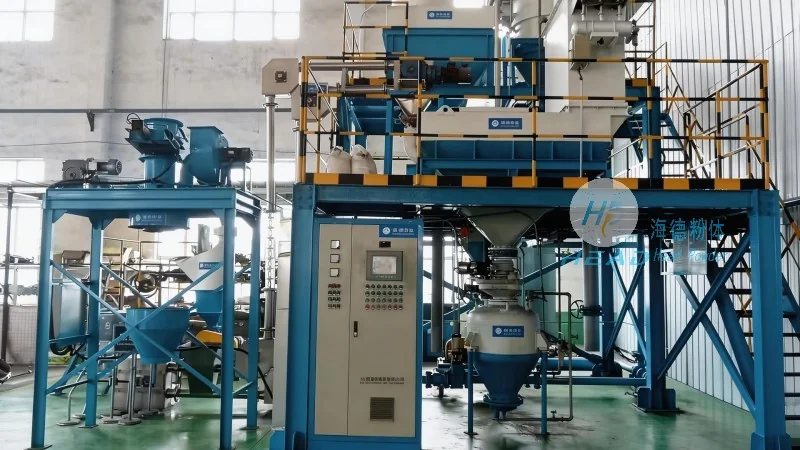
Key Structural Components
The system consists of several critical components that work in tandem to facilitate the handling of calcium oxide powder. These components include:
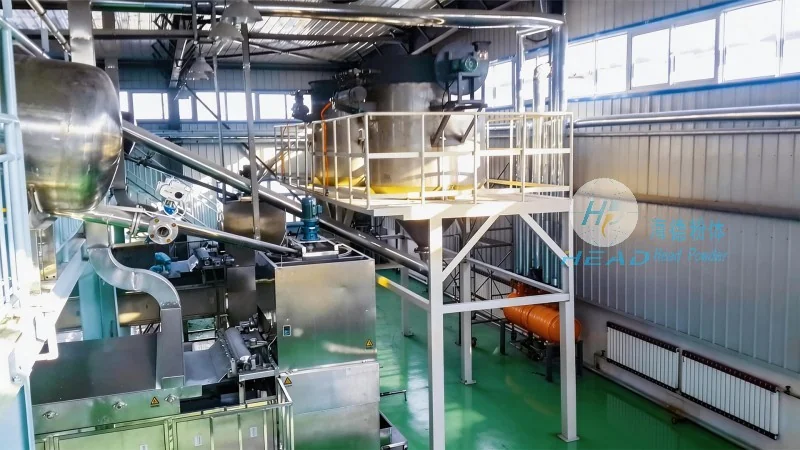
- Pneumatic Conveying Hoppers: These hoppers are designed to store and feed calcium oxide powder into the conveying system. They are typically equipped with aeration systems to prevent caking and ensure consistent material flow.
- Pneumatic Conveying Lines: The core of the system, these lines use compressed air to transport calcium oxide powder from the storage hoppers to the processing or discharge points. The design of the lines, including the use of flexible or rigid tubing, is optimized to minimize material degradation and ensure efficient transport.
- Control Valves and Regulators: These components are crucial for regulating the flow of calcium oxide powder and controlling the pressure within the conveying system. They help maintain consistent material velocity and prevent blockages or over-pressurization.
- Filter and Dust Collection Systems: Given the fine nature of calcium oxide powder, dust control is essential for both safety and environmental compliance. The system incorporates high-efficiency filters and dust collection units to capture and contain particulate matter during the conveying process.
- Material Handling Equipment: Depending on the application, the system may include additional equipment such as feeders, mixers, or discharge hoppers to integrate the calcium oxide powder into downstream processes.
Working Principles of the System
The operation of the calcium oxide powder handling system follows a systematic process that ensures smooth and continuous material transport. The key steps include:
- Material Storage and Preparation: Calcium oxide powder is stored in the pneumatic conveying hoppers. The aeration system maintains the material in a free-flowing state, preventing agglomeration and ensuring consistent feeding.
- Conveying Initiation: Compressed air is introduced into the conveying lines, creating a flow that draws the calcium oxide powder from the hoppers. The air-powder mixture travels through the lines at a controlled velocity, ensuring efficient transport without causing excessive wear or degradation.
- Controlled Discharge: At the discharge point, the system uses control valves to regulate the flow of calcium oxide powder into the next stage of the process. This step is critical for maintaining process parameters and preventing overloading or underflow.
- Dust Management: Throughout the conveying process, the filter and dust collection systems capture any airborne particles, ensuring that the environment remains safe and compliant with environmental regulations.
Advantages of the Calcium Oxide Powder Handling System
The calcium oxide powder handling system from Shandong HeadPowder Engineering Co., Ltd. offers several advantages over traditional handling methods, including:
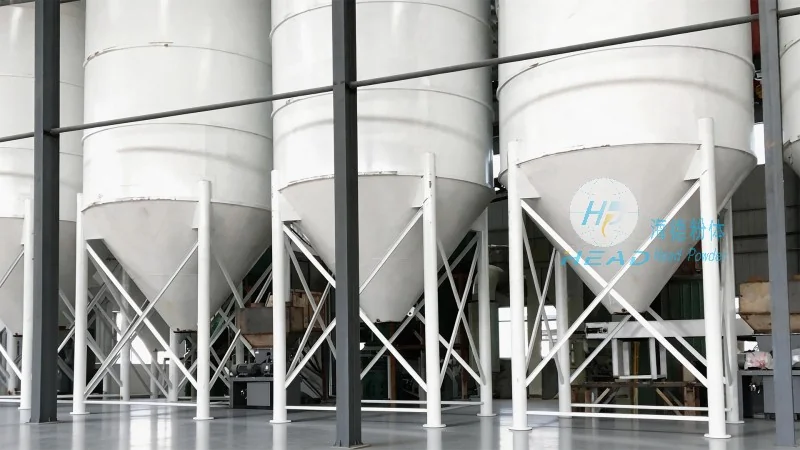
- Enhanced Safety: By eliminating manual handling of fine powders, the system reduces the risk of dust explosions and respiratory hazards, adhering to industrial safety standards.
- Improved Efficiency: The automated design ensures consistent material flow and reduces downtime associated with manual feeding or cleaning, leading to higher overall process efficiency.
- Reduced Material Loss: The enclosed system minimizes material loss during transport, ensuring that the full quantity of calcium oxide powder is utilized in the production process.
- Flexibility and Scalability: The system can be customized to accommodate different powder types, flow rates, and process requirements, making it suitable for a wide range of industrial applications.
Conclusion
Shandong HeadPowder Engineering Co., Ltd. provides a comprehensive solution for the efficient and safe handling of calcium oxide powder through its specialized powder handling system. By integrating advanced structural components and operational principles, the system ensures reliable performance, enhanced safety, and improved process efficiency. For industries relying on calcium oxide as a key material, this system represents a valuable investment in maintaining operational excellence and compliance with industry standards.

 Shandong Headpowder Engineering Co., Ltd.
 156-6277-7102(Manager Zhang)
  0531-83386006
  Zhangqiu District, Jinan City, Shandong Province, China