With more than 10‑year industry experience, Shandong Headpowder delivers full‑service pneumatic‑conveying systems and blowers, undertaking nationwide turn‑key powder‑handling projects.
HeadPowder, a leading provider of specialized powder handling solutions, offers advanced systems designed for the efficient and reliable transport of lithium fluoride powders. This article provides an overview of the lithium fluoride powder handling system, detailing its structural components and operational principles to help users understand its functionality and benefits.
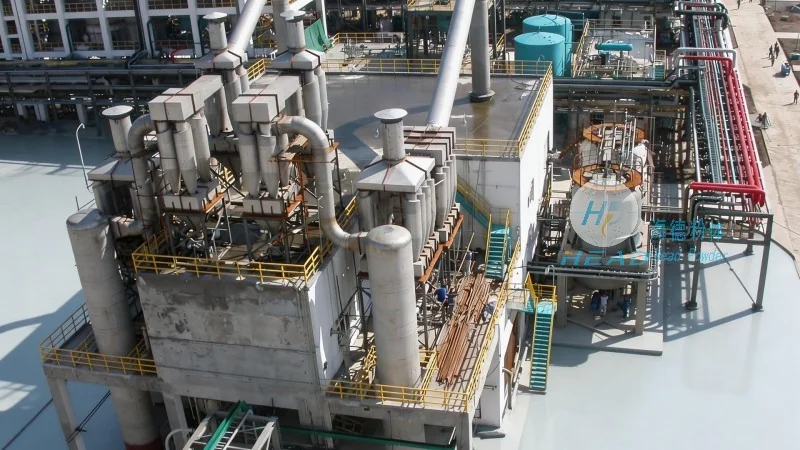
HeadPowder, operating as Shandong HeadPowder Engineering Co., Ltd., is headquartered in Shandong, China. The company specializes in engineering and manufacturing high-quality powder handling equipment tailored to meet the demands of various industrial applications. With a focus on innovation and precision, HeadPowder delivers solutions that enhance safety, efficiency, and performance in powder processing operations.
Lithium fluoride (LiF) is a critical material used in multiple industries, including nuclear energy, ceramics, and pharmaceuticals. The safe and effective handling of LiF powders is essential due to its properties, such as reactivity and potential health hazards. HeadPowder’s lithium fluoride powder handling systems are engineered to address these challenges, ensuring optimal performance and compliance with industry standards.
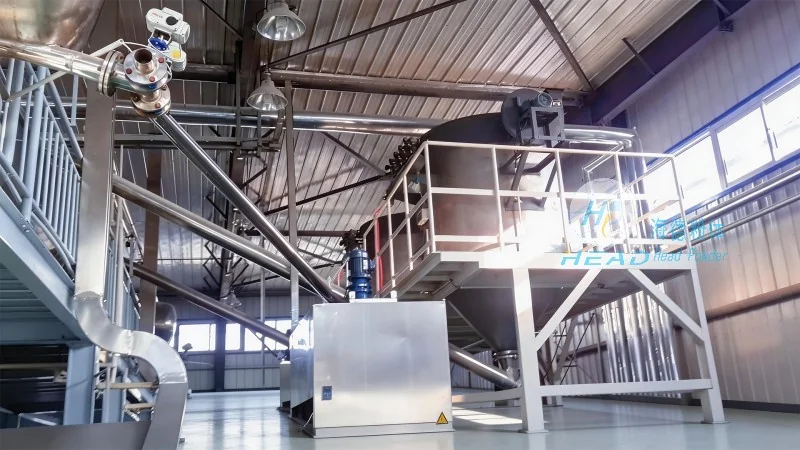
The lithium fluoride powder handling system comprises several key components that work in tandem to facilitate the transport and processing of LiF powders. These components include:
The lithium fluoride powder handling system operates on the principle of pneumatic conveying, where compressed air is used to move the powder through the system. The process begins with the powder being discharged from the storage hopper into the conveying line. As the air flows through the line, it creates a low-pressure zone that draws the powder particles along with it, forming a slurry-like mixture known as a "pneumatic stream."
This stream is then directed to the processing equipment, where the air is separated from the powder. The air is typically filtered and recycled back into the system, while the LiF powder is collected and transferred to the next stage of production. The system’s control mechanisms continuously monitor and adjust the air pressure and flow rate to maintain consistent performance and prevent system failures.
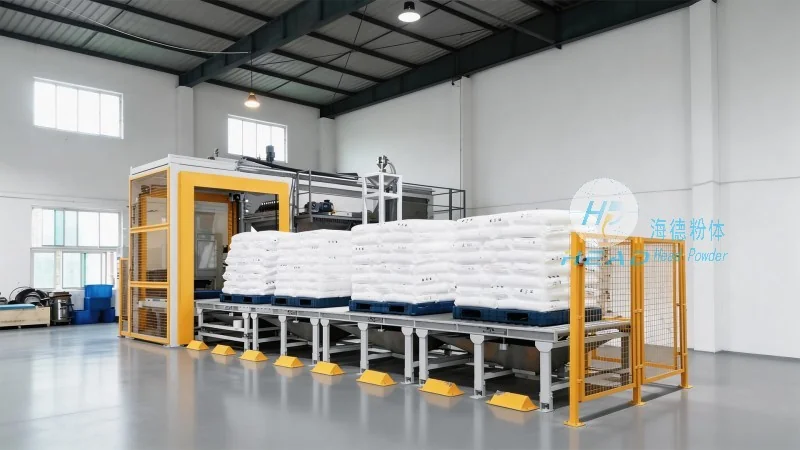
HeadPowder’s lithium fluoride powder handling system offers several advantages for industrial applications. These include enhanced safety through effective dust control, improved efficiency by minimizing material loss and downtime, and compliance with environmental regulations. The system is particularly suitable for industries requiring the handling of reactive or hazardous powders, such as nuclear fuel fabrication, ceramic manufacturing, and pharmaceutical production.
HeadPowder’s lithium fluoride powder handling system is a robust and reliable solution for the safe and efficient transport of LiF powders. By understanding its structural components and operational principles, users can appreciate the technology’s capabilities and benefits. As a leading manufacturer based in Shandong, China, HeadPowder continues to innovate and provide high-quality powder handling solutions tailored to meet the evolving needs of the industry.

 Shandong Headpowder Engineering Co., Ltd.
 156-6277-7102(Manager Zhang)
  0531-83386006
  Zhangqiu District, Jinan City, Shandong Province, China
telephone
WeChatconsult
top