With more than 10‑year industry experience, Shandong Headpowder delivers full‑service pneumatic‑conveying systems and blowers, undertaking nationwide turn‑key powder‑handling projects.
For industrial applications involving the transport of biomass pellets, efficient and reliable pneumatic conveying systems are essential. This article provides an overview of the biomass pellet pneumatic conveying line, detailing its structural components and operational principles. The system is designed to handle the unique characteristics of biomass materials, ensuring safe and effective material transfer within processing facilities.
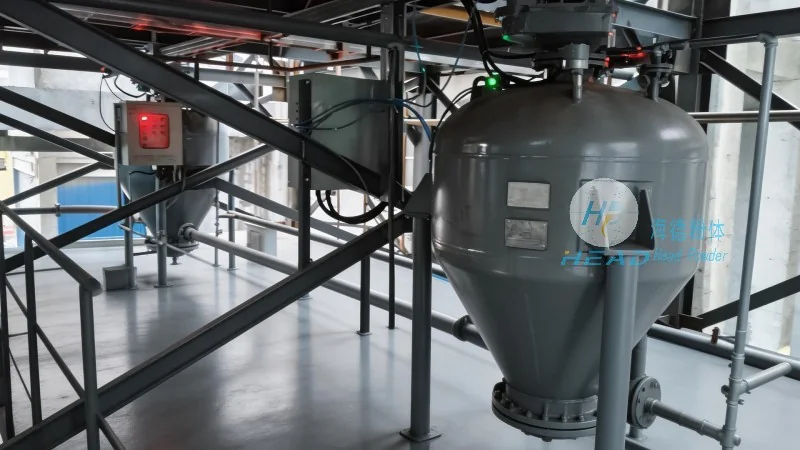
The biomass pellet pneumatic conveying system consists of several critical components that work in concert to achieve efficient material transport. These components include the hopper, feeder, air compressor, conveying pipe, and receiver. Each part plays a vital role in the overall functionality of the system.
The hopper is the initial storage unit where biomass pellets are loaded. It is typically designed with a conical or rectangular shape to facilitate uniform material flow. The feeder, often a screw or rotary type, regulates the flow of pellets from the hopper into the conveying line. This control mechanism ensures consistent material feed, preventing blockages and maintaining system efficiency.
The air compressor is the heart of the pneumatic system, generating the necessary pressure and airflow to move the pellets through the pipes. Different types of compressors, such as rotary lobe or screw compressors, are used depending on the system's capacity and pressure requirements. The conveying pipe network connects the feeder to the receiver, with bends and fittings strategically placed to guide the material along the intended path.
The receiver is the final destination where the biomass pellets are deposited. It is usually equipped with a discharge valve or outlet to allow for easy unloading. Some systems may include additional components like filters or cyclones to separate any fine particles or dust from the air stream, ensuring clean operation and preventing contamination.
The operation of the biomass pellet pneumatic conveying system follows a straightforward yet effective process. Initially, biomass pellets are fed from the hopper into the conveying line via the feeder. Simultaneously, the air compressor generates a high-pressure air stream that flows through the conveying pipe.
As the pellets enter the pipe, they are entrained by the air flow, creating a slurry of material and air. This mixture travels through the pipe network, overcoming gravitational and frictional forces. The design of the pipe system, including the angle and length of the runs, is optimized to minimize energy consumption and prevent material degradation.
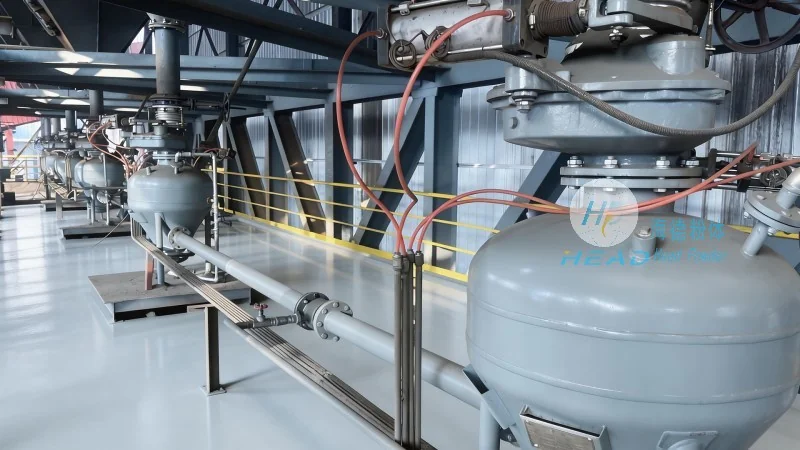
Upon reaching the receiver, the air and pellets are separated. The receiver may be equipped with a cyclone separator or a filter to remove the air from the pellet stream. The pellets are then collected in the receiver, ready for further processing or storage. The air, now filtered of any particulate matter, is typically vented to the atmosphere or recirculated if necessary.
Implementing a pneumatic conveying system for biomass pellets offers several advantages over traditional mechanical conveying methods. One of the primary benefits is the ability to handle abrasive and dusty materials without causing wear and tear on mechanical components. The enclosed system also reduces the risk of dust emissions, improving workplace safety and environmental compliance.
Additionally, pneumatic conveying systems provide greater flexibility in terms of layout and installation. The pipe network can be easily reconfigured or expanded to accommodate changes in production needs or facility expansions. This adaptability makes the system suitable for various industrial applications, from small-scale processing to large-scale biomass handling operations.
The efficiency of the system is another key advantage. By using compressed air to transport material, the system minimizes the need for manual handling and reduces the risk of material spillage or contamination. This not only improves operational efficiency but also enhances product quality by maintaining the integrity of the biomass pellets throughout the transport process.
Biomass pellet pneumatic conveying systems are widely used across various industries that rely on biomass as a raw material. These include the bioenergy sector, where pellets are transported to power plants or biomass boilers. The agricultural and forestry industries also benefit from such systems when processing wood chips, sawdust, or other biomass residues into pellets.
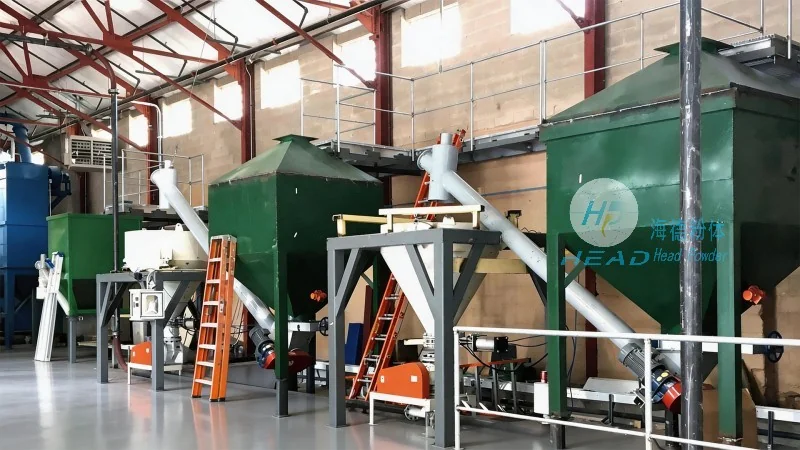
In the manufacturing of biomass-based products, such as pellets for animal feed or industrial fuel, the conveying system ensures that raw materials are efficiently moved from storage to processing equipment. The consistent and reliable transport of biomass pellets is crucial for maintaining production rates and meeting quality standards in these applications.
Furthermore, the system is employed in research and development facilities where precise control over material handling is required. The ability to handle different types of biomass pellets, including those with varying moisture content or particle sizes, makes the system versatile and adaptable to diverse research needs.
To ensure optimal performance and longevity of the biomass pellet pneumatic conveying system, regular maintenance is essential. This includes checking the air compressor for proper pressure and airflow, inspecting the conveying pipes for blockages or wear, and cleaning the receiver and filters to prevent clogging.
Proper operational procedures also play a critical role in maintaining system efficiency. Operators should follow guidelines for feeding rates, ensuring that the feeder operates at the correct speed to match the air flow. Additionally, monitoring the system's pressure and temperature can help identify potential issues before they escalate into major problems.
Regular cleaning of the system components, especially the hopper and feeder, is necessary to prevent material buildup that could lead to blockages or equipment damage. The use of appropriate lubricants and filters also contributes to the overall reliability of the system, reducing downtime and maintenance costs.
In summary, the biomass pellet pneumatic conveying system is a sophisticated and efficient solution for transporting biomass materials in industrial settings. Its structural design and operational principles are tailored to handle the unique properties of biomass pellets, providing reliable and safe material transfer. By understanding the key components and working principles of this system, industries can make informed decisions about implementing such technology to enhance their operational efficiency and product quality.

 Shandong Headpowder Engineering Co., Ltd.
 156-6277-7102(Manager Zhang)
  0531-83386006
  Zhangqiu District, Jinan City, Shandong Province, China
telephone
WeChatconsult
top