With more than 10‑year industry experience, Shandong Headpowder delivers full‑service pneumatic‑conveying systems and blowers, undertaking nationwide turn‑key powder‑handling projects.
Welcome to Shandong HeadPowder Engineering Co., Ltd., a leading provider of specialized material handling solutions. In this article, we will explore the concept of PTA powder material handling and delve into the core design principles that underpin effective systems for transporting and managing PTA powders. As a company based in Shandong, China, HeadPowder specializes in engineering solutions tailored to the unique challenges of handling PTA powders, ensuring safe, efficient, and reliable operations.
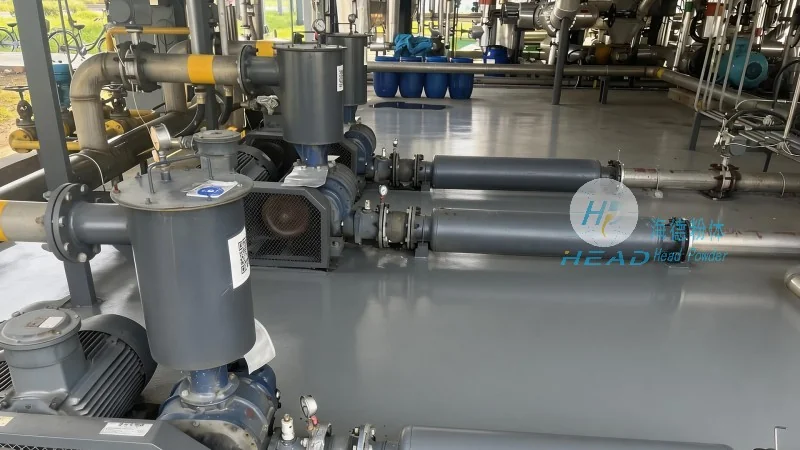
PTA (Polyethylene Terephthalate Acid) powder is a critical raw material in the production of polyester fibers and resins. Its handling requires specialized equipment and methodologies due to the powder's fine particle size, hygroscopic nature, and potential for dust explosion risks. PTA powder material handling refers to the processes and systems used to transport, store, and manage PTA powders from receipt to processing. This involves a range of activities, including bulk material handling, pneumatic conveying, and storage solutions, all designed to maintain the powder's quality and ensure operational safety.
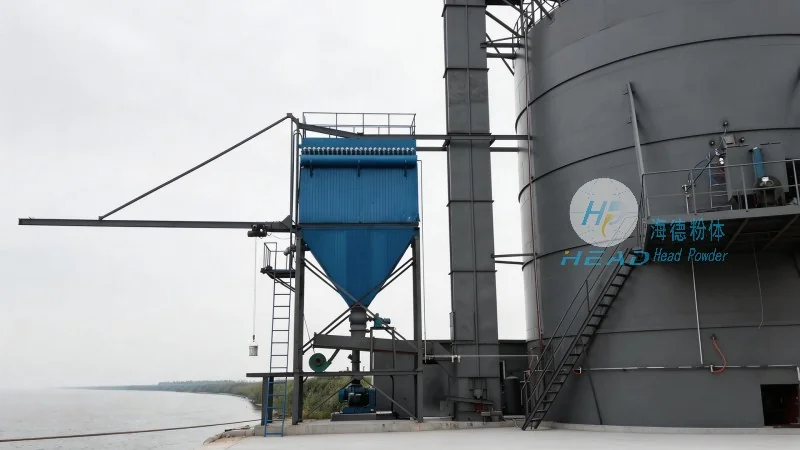
The design of PTA powder handling systems is guided by several critical principles to ensure optimal performance and safety. First, the system must address the hygroscopic properties of PTA, as moisture absorption can affect the powder's quality and processing characteristics. Engineers incorporate drying and moisture control measures into the design to prevent clumping and maintain consistent particle size. Second, dust explosion prevention is paramount. PTA powders are classified as potentially explosive materials, so explosion-proof designs, including spark detection and suppression systems, are integral to the system's architecture. Third, material flow optimization is essential. The design considers the powder's flow characteristics, using appropriate hopper designs, agitators, and conveying methods to minimize blockages and ensure smooth material movement. Fourth, equipment selection is tailored to the specific handling needs. For example, pneumatic conveying systems are often preferred for long-distance transport due to their ability to handle fine powders without mechanical wear, while bulk handling equipment like screw conveyors and belt conveyors are used for short-distance or storage applications.
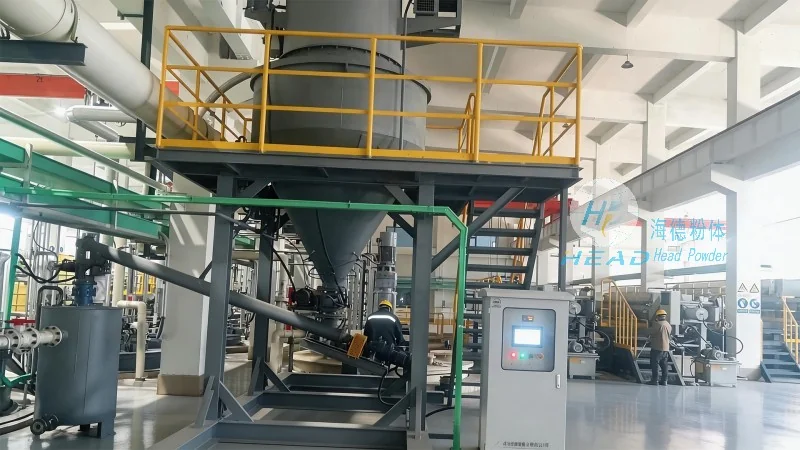
A comprehensive PTA powder handling system typically includes several key components, each playing a vital role in the overall operation. The system starts with a receiving and storage area, where PTA is unloaded from trucks or containers and stored in silos or bulk bags. From there, the powder is transferred to a processing area via conveying equipment. Pneumatic conveying lines are commonly used for this purpose, as they can transport PTA over long distances with minimal dust generation. The system may also include feeding devices, such as rotary valves or feeders, to control the flow rate of the powder into downstream equipment. Storage silos are designed with anti-static and explosion-proof features to ensure safety. Additionally, the system incorporates monitoring and control systems to track material levels, pressure, and flow rates, allowing for real-time adjustments and maintenance.
Implementing a well-designed PTA powder handling system offers numerous benefits for industrial operations. Firstly, it enhances operational efficiency by ensuring a continuous and reliable supply of PTA to processing units, reducing downtime caused by material shortages or blockages. Secondly, it improves product quality by maintaining the powder's integrity—preventing moisture absorption, clumping, or contamination. Thirdly, it enhances safety by incorporating explosion-proof and dust suppression measures, minimizing the risk of accidents in the workplace. Finally, it reduces maintenance costs by using equipment optimized for PTA's flow characteristics, reducing wear and tear and extending the lifespan of components.
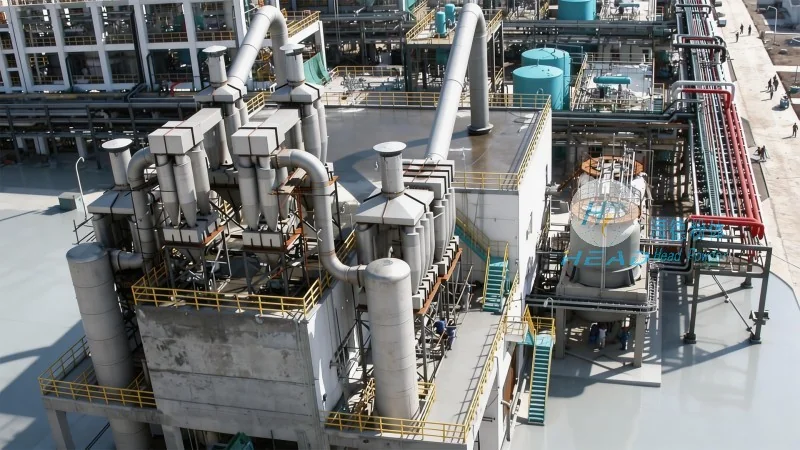
PTA powder material handling is a complex but essential process in the production of polyester products. The design principles and components of a PTA handling system are carefully engineered to address the unique challenges of PTA powders, ensuring safe, efficient, and high-quality operations. At Shandong HeadPowder Engineering Co., Ltd., we specialize in developing tailored material handling solutions that meet the specific needs of our clients, leveraging our expertise in PTA powder handling to deliver reliable and effective systems. Whether you are in the polyester industry or involved in the processing of PTA powders, understanding the design principles and components of a PTA handling system is crucial for optimizing your operations and ensuring long-term success.

 Shandong Headpowder Engineering Co., Ltd.
 156-6277-7102(Manager Zhang)
  0531-83386006
  Zhangqiu District, Jinan City, Shandong Province, China
telephone
WeChatconsult
top