With more than 10‑year industry experience, Shandong Headpowder delivers full‑service pneumatic‑conveying systems and blowers, undertaking nationwide turn‑key powder‑handling projects.
Your current position:首页 >> News >> Q&A

Introduction to Plug-Type Pneumatic Conveying: Structure and Principle Explanation

Release time:2026-09-21 17:01:44
name of the company:Shandong Headpowder Engineering Co., Ltd.
telephone:156-6277-7102
contacts:Manager Zhang

HeadPowder, a leading manufacturer of pneumatic conveying systems, specializes in plug-type pneumatic conveying technology. This article provides an overview of the plug-type pneumatic conveying system, its structural components, and the underlying principles that enable efficient material transport.
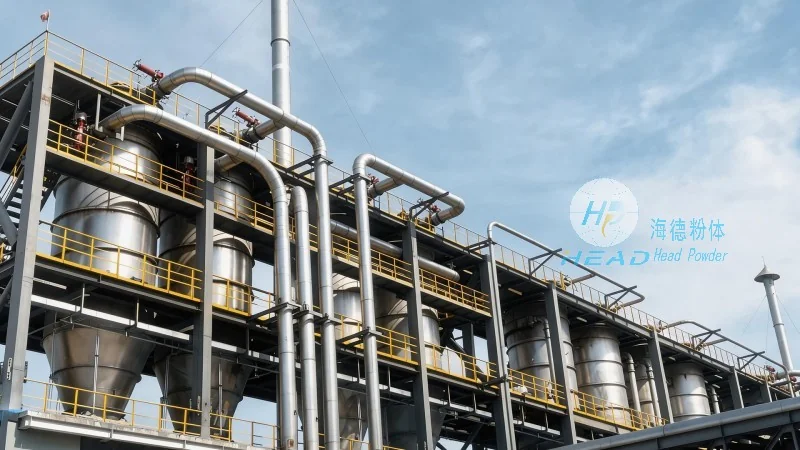
Introduction to Plug-Type Pneumatic Conveying: Structure and Principle Explanation

Understanding Plug-Type Pneumatic Conveying

Plug-type pneumatic conveying is a method of transporting bulk materials through a pipeline using a combination of air and pressure. Unlike other pneumatic conveying systems, this technology utilizes a "plug" or a dense column of material that moves through the pipeline, separated from the air stream by a distinct interface. This design offers several advantages, including high material handling capacity, reduced air consumption, and improved material protection.

Key Structural Components of Plug-Type Pneumatic Conveying Systems

The plug-type pneumatic conveying system consists of several critical components that work in tandem to achieve effective material transport. These components include:
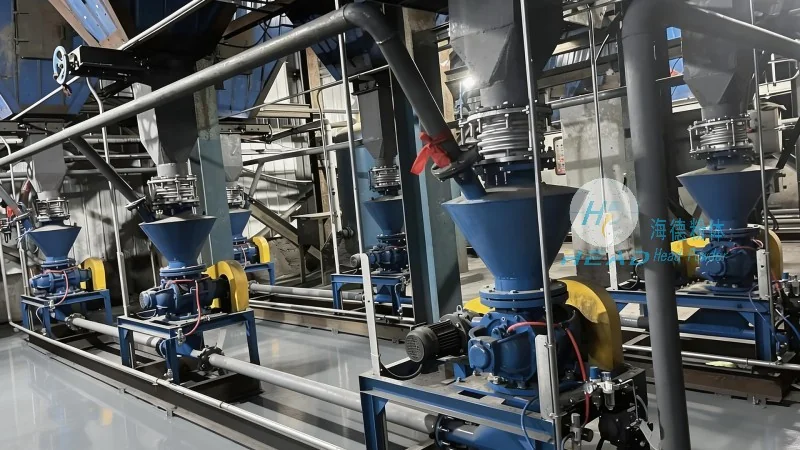
Introduction to Plug-Type Pneumatic Conveying: Structure and Principle Explanation

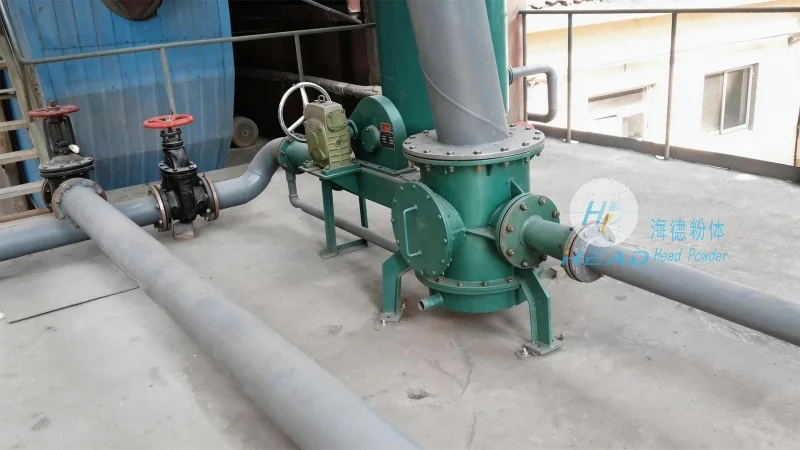
  • Conveying Pipeline: A closed pipeline system where the material and air travel. The pipeline is typically made of materials such as stainless steel or PVC, depending on the material being conveyed and the operating conditions.
  • Feed Hopper: A container that holds the bulk material to be transported. The hopper is equipped with a feeder, such as a rotary valve or a screw feeder, which controls the flow of material into the pipeline.
  • Compressor and Air Treatment System: A compressor supplies the necessary air pressure to move the material through the pipeline. The air treatment system, which may include filters, dryers, and regulators, ensures that the air is clean and at the appropriate pressure and temperature for the conveying process.
  • Control System: A control panel or software that monitors and regulates the operation of the conveying system. This system adjusts the air pressure, material feed rate, and other parameters to maintain optimal performance and prevent system failures.
  • Discharge Unit: The component at the end of the pipeline where the material is discharged. This unit may include a rotary valve or a surge bin to control the flow of material out of the system.

Working Principle of Plug-Type Pneumatic Conveying

The operation of a plug-type pneumatic conveying system involves several key steps. First, the bulk material is fed from the hopper into the pipeline through the feeder. Simultaneously, compressed air is introduced into the pipeline, creating a pressure differential that propels the material forward. The material forms a dense plug, moving through the pipeline as a solid column, separated from the air by a clear interface. This plug travels at a relatively low velocity compared to other pneumatic conveying methods, which reduces wear and tear on the pipeline and the material itself.

Advantages of Plug-Type Pneumatic Conveying

Plug-type pneumatic conveying offers several advantages over traditional pneumatic conveying systems. These benefits include:
Introduction to Plug-Type Pneumatic Conveying: Structure and Principle Explanation

  • High Material Handling Capacity: The system can transport large volumes of material efficiently, making it suitable for industrial applications that require high throughput.
  • Reduced Air Consumption: Compared to other pneumatic conveying methods, plug-type systems use less air, resulting in lower energy costs and reduced operational expenses.
  • Improved Material Protection: The dense plug design minimizes material degradation, making it ideal for transporting sensitive materials such as powders, granules, and fine particles.
  • Low Maintenance: The system's design reduces the risk of blockages and wear, leading to lower maintenance requirements and longer equipment lifespan.

Applications of Plug-Type Pneumatic Conveying

Plug-type pneumatic conveying is widely used in various industries, including:

  • Pharmaceuticals: Transporting raw materials and finished products in pharmaceutical manufacturing, where material purity and protection are critical.
  • Food and Beverage: Conveying ingredients and products in food processing plants, ensuring hygiene and preventing contamination.
  • Chemical Industry: Moving bulk chemicals and powders in chemical production facilities, where safety and material integrity are paramount.
  • Mineral Processing: Transporting minerals and ores in mining operations, where high capacity and durability are required.

Conclusion

Plug-type pneumatic conveying is a reliable and efficient method for transporting bulk materials. With its advanced structural design and working principles, this technology offers significant advantages over traditional pneumatic conveying systems. HeadPowder, as a leading manufacturer, provides high-quality plug-type pneumatic conveying systems that meet the needs of various industries. By understanding the components and principles of this technology, businesses can make informed decisions about implementing plug-type pneumatic conveying in their operations.

recommend

Copyright © Shandong Headpowder Engineering Co., Ltd.    营业执照公示 网站地图

top
