With more than 10‑year industry experience, Shandong Headpowder delivers full‑service pneumatic‑conveying systems and blowers, undertaking nationwide turn‑key powder‑handling projects.
Winery slurry, a byproduct of wine production, poses unique challenges in handling and transportation. Traditional methods often struggle with the viscous and abrasive nature of this material, leading to inefficiencies and equipment wear. The pneumatic conveying system offers a sophisticated solution to address these challenges, ensuring efficient, hygienic, and cost-effective transport of winery slurry. This article outlines key design considerations for implementing an effective winery slurry pneumatic conveying system, highlighting the expertise of Shandong HeadPowder Engineering Co., Ltd., a leading engineering firm based in Shandong, China.
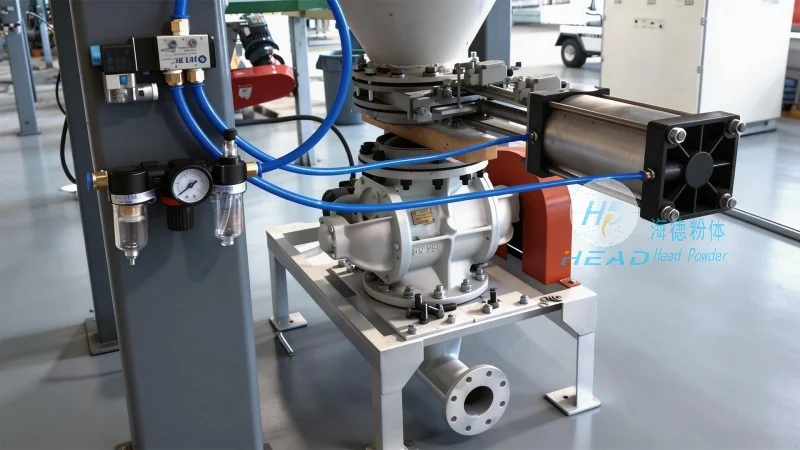
The success of a winery slurry pneumatic conveying system hinges on several critical design elements. First, the selection of the appropriate conveying type—whether positive or negative pressure—is crucial. Positive pressure systems are ideal for short-distance transport and handling abrasive materials, while negative pressure systems are better suited for longer distances and dust control. The system must also account for the specific properties of winery slurry, including its density, viscosity, and particle size distribution. These factors influence the choice of air velocity, pipeline diameter, and the number of bends or elbows, all of which impact system efficiency and reliability.
For winery slurry, the choice of equipment materials is paramount to prevent corrosion and ensure durability. Stainless steel is the preferred material due to its resistance to acidic and organic compounds found in slurry. The system components, including the hopper, feeder, and pipeline, must be designed to withstand the abrasive nature of the material. The feeder, typically a rotary valve or screw feeder, must be capable of handling the slurry's consistency without blockages. The pipeline design, including the use of smooth, non-porous surfaces, minimizes friction and reduces the risk of material buildup. Additionally, the system should incorporate cleaning mechanisms, such as air blow-back or water washing, to maintain hygiene and prevent contamination.
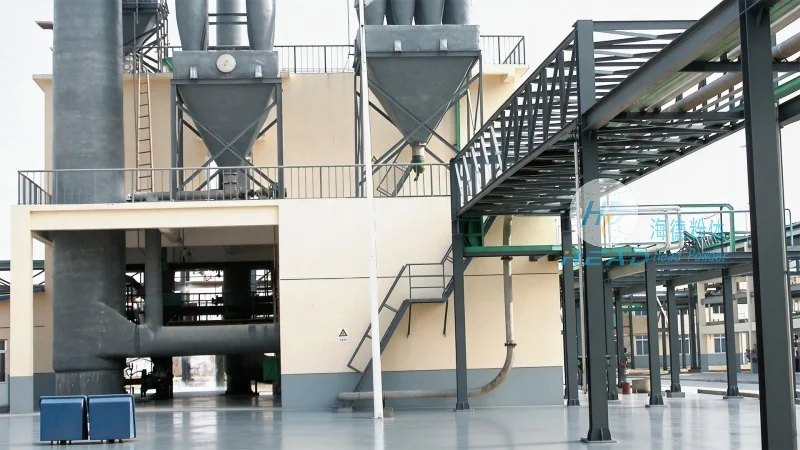
Effective integration of the pneumatic conveying system with existing winery operations is essential for seamless workflow. The system must be compatible with the winery's production schedule, allowing for flexible start and stop times. Advanced control systems, such as PLC (Programmable Logic Controller) or SCADA (Supervisory Control and Data Acquisition), enable real-time monitoring of pressure, flow rate, and air consumption. These controls help optimize energy usage and detect potential issues before they escalate. The integration also includes the connection to storage tanks or processing units, ensuring that the slurry is delivered to the correct destination without loss or contamination.
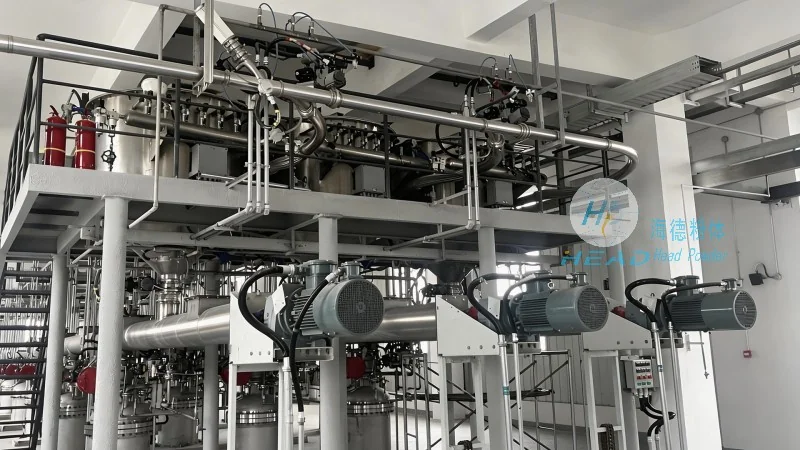
Winery slurry handling requires adherence to environmental and safety regulations. The system must be designed to minimize dust emissions and odors, which are common concerns in winery operations. Dust collection systems, such as cyclones or bag filters, are integrated to capture and treat airborne particles. Odor control measures, including the use of activated carbon filters or biological treatment, help maintain a pleasant working environment. Safety features, such as pressure relief valves and emergency shut-off systems, protect both personnel and equipment from potential hazards. The system should also comply with local regulations regarding waste management and emissions, ensuring that the winery operates in an environmentally responsible manner.
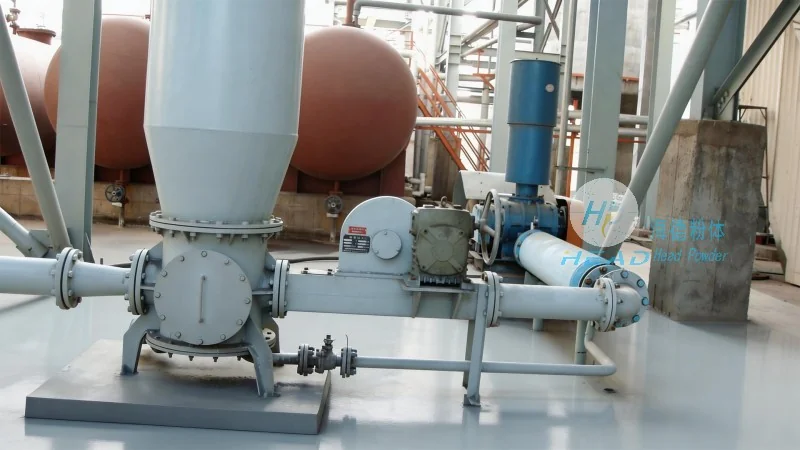
Shandong HeadPowder Engineering Co., Ltd., a leading provider of engineering solutions, has successfully implemented winery slurry pneumatic conveying systems for numerous clients. The company's expertise lies in customizing systems to meet specific winery requirements, ensuring optimal performance and reliability. For example, a client in China required a system to transport slurry from fermentation tanks to a drying facility over a distance of 200 meters. HeadPowder designed a positive pressure system with stainless steel components and a rotary valve feeder, achieving a consistent flow rate of 5 tons per hour while maintaining low energy consumption. The system's integration with the winery's existing control network allowed for seamless operation, and the dust collection system reduced emissions to below regulatory limits. This case study demonstrates the effectiveness of HeadPowder's approach to designing and implementing winery slurry pneumatic conveying systems.
Designing a winery slurry pneumatic conveying system requires a comprehensive understanding of the material's properties, operational requirements, and environmental regulations. By considering key design elements such as conveying type, material handling, system integration, and safety, wineries can achieve efficient and reliable transport of slurry. Shandong HeadPowder Engineering Co., Ltd. offers specialized expertise in this field, providing tailored solutions that enhance winery operations. For wineries seeking to improve their slurry handling processes, investing in a well-designed pneumatic conveying system is a strategic decision that yields long-term benefits in terms of efficiency, cost savings, and environmental compliance.

 Shandong Headpowder Engineering Co., Ltd.
 156-6277-7102(Manager Zhang)
  0531-83386006
  Zhangqiu District, Jinan City, Shandong Province, China
telephone
WeChatconsult
top