With more than 10‑year industry experience, Shandong Headpowder delivers full‑service pneumatic‑conveying systems and blowers, undertaking nationwide turn‑key powder‑handling projects.
Feather pneumatic conveying systems are specialized equipment used for the efficient transportation of lightweight, low-density materials such as feathers, powders, and fine particles. The design of these systems requires careful consideration of several key factors to ensure optimal performance, reliability, and cost-effectiveness. This article outlines the essential design considerations for feather pneumatic conveying systems, providing insights into the technical and practical aspects that engineers and industry professionals should evaluate when planning such systems.
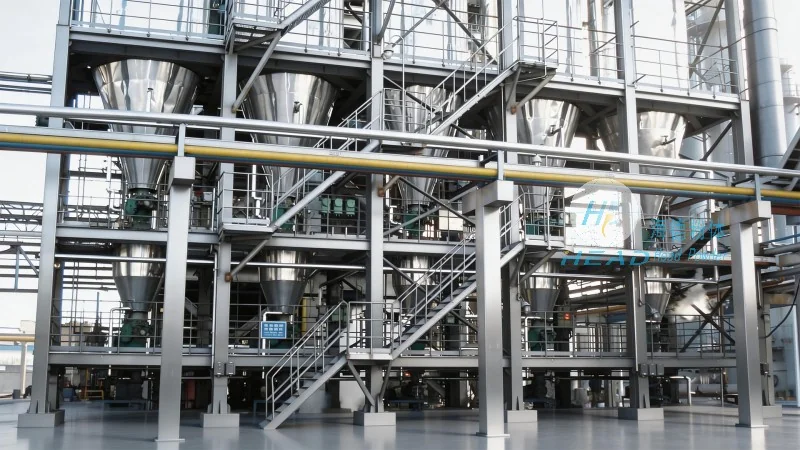
Shandong HeadPowder Engineering Co., Ltd., commonly known as headpowder, is a leading manufacturer and supplier of pneumatic conveying solutions. With a strong focus on engineering excellence and customer satisfaction, the company specializes in designing and manufacturing systems tailored to the unique needs of various industries. HeadPowder's expertise in material handling technology ensures that their systems are built to meet the highest standards of performance and durability. The company's headquarters is located in Shandong, China, where a team of experienced engineers and technicians work to develop innovative solutions for pneumatic conveying applications.
The successful design of a feather pneumatic conveying system depends on a thorough analysis of several critical factors. These include material properties, system layout, air flow management, and equipment selection. Each of these aspects plays a vital role in ensuring the system operates efficiently and reliably. The following sections provide a detailed breakdown of these key considerations.
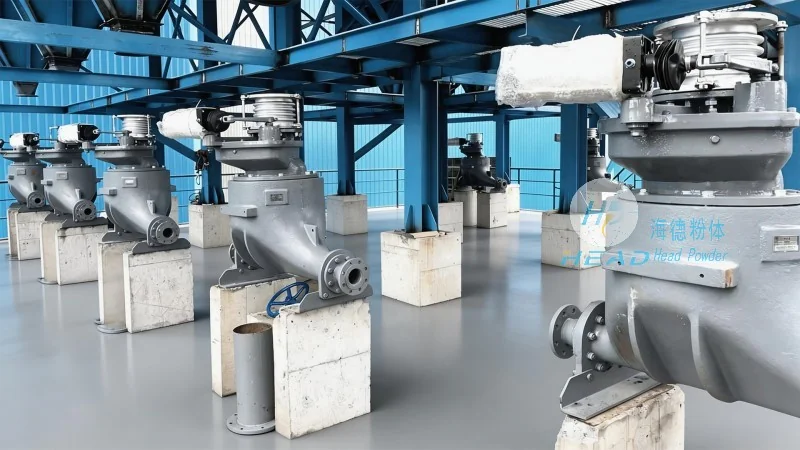
Feathers are characterized by their low density, high porosity, and delicate nature. These properties significantly influence the design of the conveying system. The material's flowability, dust generation potential, and tendency to clump or agglomerate must be carefully evaluated. For instance, feathers may require specialized feeding mechanisms to prevent blockages and ensure consistent material feed. The system's design must also account for the material's sensitivity to moisture and temperature, as these factors can affect its handling characteristics and the overall system performance. HeadPowder's engineers consider these material-specific factors to develop solutions that maintain the integrity of the feathers during transportation.
The layout of a pneumatic conveying system is crucial for its efficiency and operational safety. The system's design must take into account the location of the feeder, the conveying line, and the discharge point. The distance between these components, as well as the elevation changes, directly impacts the air pressure and flow requirements. Proper routing of the conveying line is essential to minimize pressure losses and prevent material deposition or blockages. HeadPowder's design team uses advanced computational fluid dynamics (CFD) and system simulation tools to optimize the layout, ensuring that the system operates within the optimal pressure and flow parameters. The company also considers the space constraints and environmental factors, such as temperature and humidity, when planning the installation of the system.
Effective air flow management is a core component of any pneumatic conveying system. The system must generate sufficient air pressure to overcome the resistance of the conveying line and the material's drag. The choice of air compressor, pressure regulator, and air filter is critical to maintaining consistent air quality and pressure. HeadPowder utilizes high-efficiency air compressors and advanced pressure control systems to ensure stable operation. The design also includes features such as air locks and cyclones to separate the material from the air stream, preventing material loss and maintaining system cleanliness. The company's expertise in pressure system design ensures that the system operates efficiently while minimizing energy consumption.
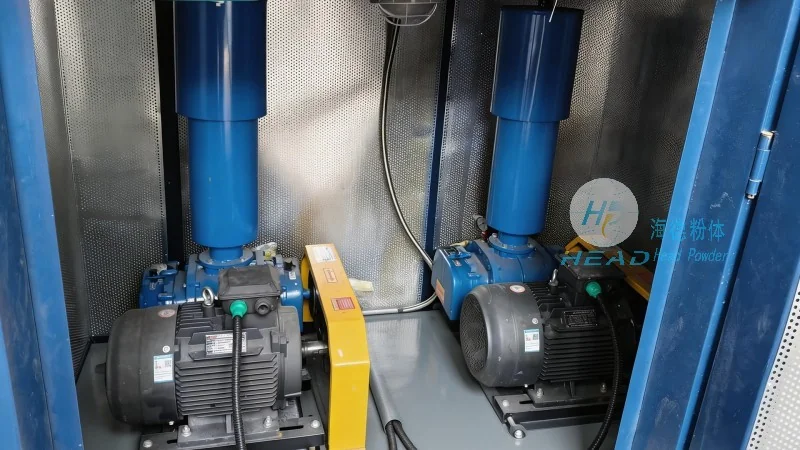
The selection of appropriate equipment is vital for the performance of a feather pneumatic conveying system. This includes the feeder, conveying line, and discharge equipment. The feeder must be capable of handling the delicate nature of feathers without causing damage or blockages. HeadPowder offers specialized feeders, such as rotary valves and star feeders, designed to handle lightweight materials like feathers. The conveying line is typically made of materials that resist corrosion and wear, such as stainless steel or plastic. The company's engineers select the appropriate line diameter and length based on the material flow rate and system pressure. The discharge equipment, such as cyclones or bag filters, must be designed to effectively separate the feathers from the air stream and prevent material re-entrainment. HeadPowder's integrated approach to equipment selection ensures that all components work in harmony to achieve optimal system performance.
Regular maintenance is essential to ensure the long-term reliability and efficiency of a feather pneumatic conveying system. The system's design must include features that facilitate easy access for maintenance and cleaning. HeadPowder's systems are equipped with easy-to-remove components, such as filter elements and conveying line sections, to simplify maintenance procedures. The company also provides comprehensive maintenance guidelines and training to help customers maintain their systems effectively. Operational considerations, such as monitoring air pressure and flow rates, are also important to detect potential issues early and prevent system downtime. HeadPowder's commitment to customer support ensures that their clients receive timely assistance and support throughout the system's lifecycle.

 Shandong Headpowder Engineering Co., Ltd.
 156-6277-7102(Manager Zhang)
  0531-83386006
  Zhangqiu District, Jinan City, Shandong Province, China
telephone
WeChatconsult
top