With more than 10‑year industry experience, Shandong Headpowder delivers full‑service pneumatic‑conveying systems and blowers, undertaking nationwide turn‑key powder‑handling projects.
Understanding the operation process and working principle of a polyethylene powder material pneumatic conveying system is crucial for optimizing material handling efficiency in industrial applications. This system, designed to transport polyethylene powder through an air stream, offers a reliable and efficient solution for various manufacturing processes. The following sections will delve into the detailed operation process and the underlying working principles, providing insights into how such systems function effectively. HeadPowder, a leading provider of engineering solutions, specializes in designing and manufacturing high-quality pneumatic conveying systems tailored to meet the specific needs of industries handling polyethylene powder.
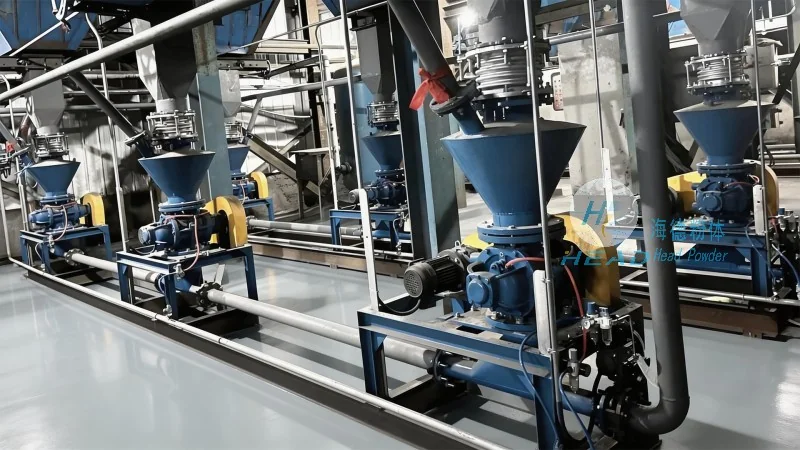
Pneumatic conveying systems are widely used in the chemical and plastics industries to transport fine powders like polyethylene. These systems utilize compressed air to move material from a source to a destination, eliminating the need for mechanical components that might cause contamination or wear. The design of a polyethylene powder pneumatic conveying system typically includes key components such as a hopper, a feeder, a conveying line, and a receiver. Each component plays a vital role in ensuring the smooth and efficient transport of the material.
The performance of a polyethylene powder pneumatic conveying system largely depends on the integration and functionality of its core components. The hopper serves as the storage vessel, holding the polyethylene powder in a controlled manner. It is designed to minimize material bridging and ensure a consistent flow of powder into the feeder. The feeder, often a rotary valve or a screw feeder, regulates the discharge rate of the powder from the hopper. This component is critical for maintaining a steady flow rate, which directly impacts the conveying efficiency. The conveying line, usually made of stainless steel or other corrosion-resistant materials, is where the powder is propelled by the air stream. The receiver is positioned at the end of the line, where the conveyed polyethylene powder is collected after the air is filtered and discharged. Proper design of these components ensures minimal material loss and prevents blockages or clogging.
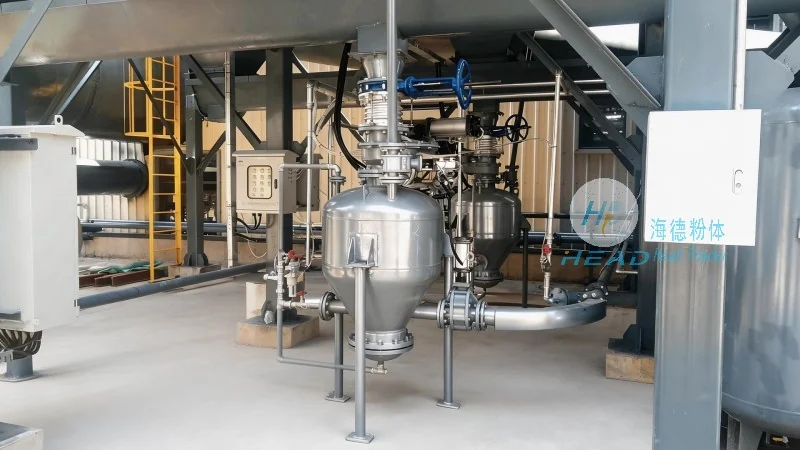
The operation process of a polyethylene powder pneumatic conveying system involves several sequential steps. Initially, the polyethylene powder is loaded into the hopper from a bulk storage or production line. The feeder then starts to discharge the powder at a controlled rate. Simultaneously, the system's air compressor generates compressed air, which is directed into the conveying line. The compressed air, flowing through the line at a high velocity, creates a pressure differential that propels the polyethylene powder particles forward. As the powder travels through the conveying line, it is mixed with the air stream, forming a dense or dilute phase flow depending on the system design. The receiver is positioned at the end of the line, where the polyethylene powder is collected after the air is filtered and discharged. The entire process is automated, with sensors and control systems monitoring parameters such as pressure, flow rate, and temperature to ensure optimal performance. Regular maintenance and monitoring are essential to prevent system downtime and maintain the quality of the conveyed material.
The working principle of a polyethylene powder pneumatic conveying system is based on the fundamental concept of fluidization and particle transport. When compressed air is introduced into the conveying line, it creates a low-pressure environment that draws the polyethylene powder particles into the air stream. The air velocity is maintained above the critical velocity required to keep the powder particles suspended and moving. This principle is known as pneumatic transport, where the material is conveyed as a suspension of particles in a gas. The system operates under either positive or negative pressure, depending on the application. Positive pressure systems use compressed air to push the material forward, while negative pressure systems use vacuum to pull the material. For polyethylene powder, a positive pressure system is commonly preferred due to its ability to handle abrasive materials and prevent dust emissions. The interaction between the air and the powder particles is governed by fluid dynamics, where the drag force exerted by the air on the particles overcomes the gravitational force, allowing the particles to be transported efficiently.
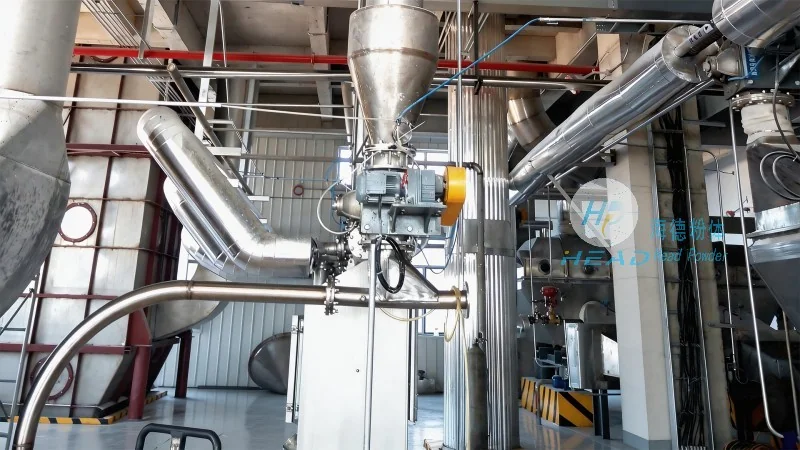
Implementing a polyethylene powder pneumatic conveying system offers numerous advantages over traditional mechanical conveying methods. One of the primary benefits is the elimination of mechanical components, which reduces the risk of contamination and wear. This is particularly important for polyethylene powder, which is often used in food, pharmaceutical, and high-purity applications where product integrity is paramount. The system also provides a flexible and scalable solution, allowing for easy integration into existing production lines or expansion as production needs grow. Additionally, pneumatic conveying systems are capable of handling a wide range of particle sizes and densities, making them suitable for various polyethylene powder types. The ability to transport material over long distances without the need for intermediate storage or transfer points further enhances operational efficiency. Furthermore, the system's ability to maintain a consistent flow rate and minimize material degradation makes it an ideal choice for industries requiring high-quality polyethylene powder.
Polyethylene powder pneumatic conveying systems are widely adopted across various industries due to their versatility and efficiency. In the plastics manufacturing industry, these systems are used to transport polyethylene powder from storage to extrusion lines, ensuring a continuous supply of material for production. The chemical industry also benefits from such systems when handling polyethylene powders that are used as raw materials or additives in chemical processes. The food and pharmaceutical industries utilize pneumatic conveying systems to transport polyethylene powder in applications where hygiene and product purity are critical. For example, in food packaging, polyethylene powder may be used as a coating or filler, and the system ensures that the material is handled without contamination. In pharmaceutical manufacturing, the system helps in transporting polyethylene powder used in drug delivery systems or as a component in medical devices. The automotive industry also employs these systems when processing polyethylene powder for use in automotive parts and components. Overall, the applications of polyethylene powder pneumatic conveying systems are diverse, reflecting their adaptability to different industrial needs.
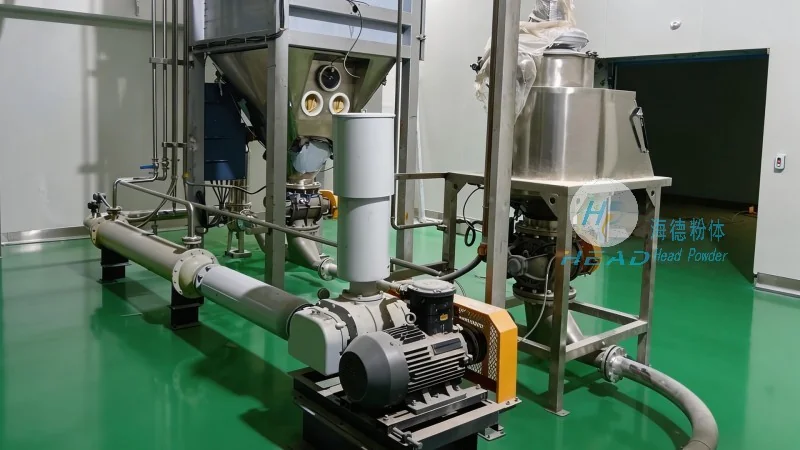
Proper maintenance and adherence to best practices are essential for ensuring the longevity and optimal performance of a polyethylene powder pneumatic conveying system. Regular inspection of components such as the hopper, feeder, and conveying line is crucial to detect any signs of wear or clogging. The hopper should be checked for material bridging or buildup, which can affect the flow rate. The feeder mechanism should be inspected for proper operation and any signs of wear on moving parts. The conveying line should be checked for any blockages or damage to the material, as well as the condition of the air filter and compressor. Cleaning the system regularly, especially after handling different materials or after extended periods of inactivity, is important to prevent cross-contamination and maintain system efficiency. Using appropriate lubricants and replacement parts as recommended by the manufacturer can also extend the system's lifespan. Training operators on the proper operation and maintenance of the system is another critical aspect of ensuring its reliable performance. By following these best practices, industries can maximize the efficiency and lifespan of their polyethylene powder pneumatic conveying systems, reducing downtime and operational costs.
In conclusion, the operation process and working principle of a polyethylene powder material pneumatic conveying system are fundamental to its effectiveness in industrial applications. The system's design, components, and operation are tailored to handle polyethylene powder efficiently and reliably, offering advantages such as reduced contamination, flexible scalability, and consistent material flow. Industries across various sectors, including plastics, chemicals, food, and pharmaceuticals, benefit from the use of such systems, which enhance operational efficiency and product quality. Proper maintenance and adherence to best practices are essential for ensuring the long-term performance and reliability of the system. As technology advances, further improvements in pneumatic conveying systems are expected, leading to even more efficient and sustainable material handling solutions for polyethylene powder and other fine materials.

 Shandong Headpowder Engineering Co., Ltd.
 156-6277-7102(Manager Zhang)
  0531-83386006
  Zhangqiu District, Jinan City, Shandong Province, China
telephone
WeChatconsult
top