With more than 10‑year industry experience, Shandong Headpowder delivers full‑service pneumatic‑conveying systems and blowers, undertaking nationwide turn‑key powder‑handling projects.
When it comes to the efficient handling and transportation of soybean grain powder, understanding the underlying mechanisms and structural designs is crucial for optimizing industrial processes. This article provides a comprehensive overview of the key components, operational principles, and practical applications involved in soybean grain powder conveying systems, with a focus on the technical aspects that ensure reliable performance in agricultural and food processing industries.
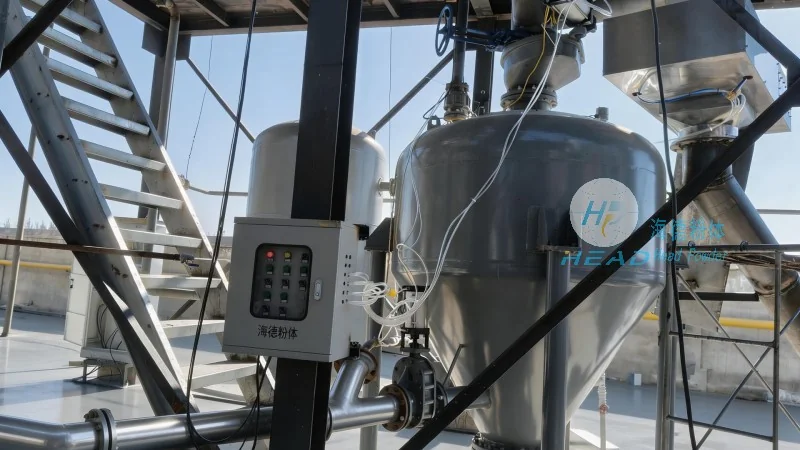
The core of any soybean grain powder conveying system lies in its well-designed structural components, each playing a vital role in the seamless movement of the material. These components are engineered to handle the unique properties of soybean powder, such as its fine particle size, moisture content, and flow characteristics. The primary elements include the hopper, which serves as the initial storage and feeding unit, ensuring a consistent supply of material to the conveyor. The hopper is typically equipped with a discharge valve or gate mechanism to control the flow rate, preventing overloading or clogging. Adjacent to the hopper is the conveyor itself, which can be of various types, including screw conveyors, pneumatic conveyors, or bucket elevators, depending on the specific requirements of the application. The conveyor is designed to minimize friction and material degradation while maintaining high efficiency. Additionally, the system incorporates a drive mechanism, such as electric motors or gearboxes, that powers the conveyor and ensures smooth operation. The structural integrity of these components is critical, as they must withstand the mechanical stresses and environmental conditions encountered during continuous operation.
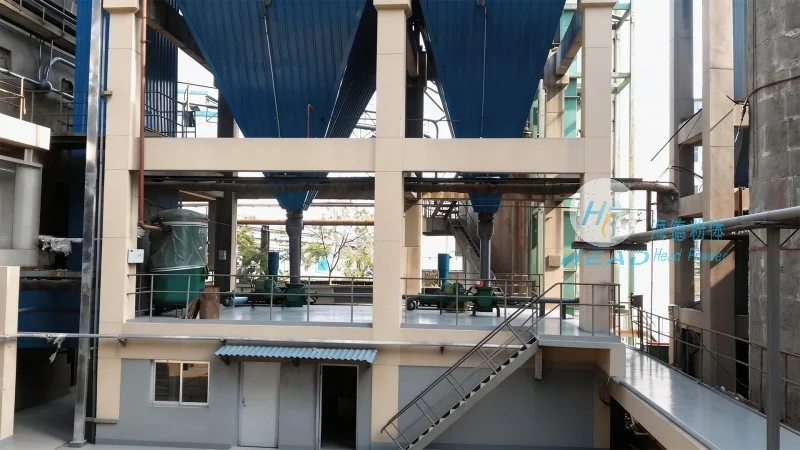
The operational principle of soybean grain powder conveying systems revolves around the transfer of material from the source to the destination through a combination of mechanical and sometimes pneumatic forces. In screw conveyors, for example, a rotating helical screw inside a tube moves the powder forward by friction, while the hopper feeds the material into the conveyor. The speed of the screw and the angle of the helix are carefully calibrated to achieve the desired flow rate without causing excessive pressure or material degradation. Pneumatic conveyors, on the other hand, utilize air pressure to transport the powder through a pipeline. The system includes a blower or compressor that generates the necessary airflow, and the powder is drawn into the pipeline by the suction created at the discharge end. The design of the pipeline, including bends and transitions, is optimized to minimize pressure losses and prevent particle separation or clogging. The working principle also involves the control of material flow, which is achieved through various mechanisms such as variable speed drives, flow meters, and pressure sensors. These controls ensure that the conveying system operates within safe and efficient parameters, adapting to changes in material volume or processing requirements.

Soybean grain powder conveying systems find wide applications in various industries, including food processing, animal feed production, and agricultural storage. In food processing, these systems are used to transport soybean powder for the production of soy milk, tofu, and other soy-based products, ensuring a consistent and hygienic supply of raw material. In animal feed manufacturing, the conveying systems help in the efficient handling of soybean meal and other feed ingredients, improving the overall productivity of the feed production line. The benefits of these systems extend beyond just material handling; they also contribute to cost savings and operational efficiency. By reducing manual labor and minimizing material loss during transportation, the systems enhance the overall profitability of the production process. Furthermore, the use of advanced materials and designs in the conveying components helps in extending the service life of the equipment, reducing maintenance costs and downtime. The reliability of these systems is also crucial, as any interruption in the conveying process can lead to production delays and financial losses.
Optimizing the performance of soybean grain powder conveying systems requires careful consideration of several technical factors. The first is the selection of the appropriate conveyor type based on the specific characteristics of the soybean powder, such as particle size distribution, moisture content, and bulk density. For example, fine-grained soybean powder may require a pneumatic conveyor to avoid clogging, while larger particles might be better suited for screw or bucket elevators. The design of the hopper and feeding mechanisms is also critical, as improper design can lead to material bridging or uneven flow. The use of anti-static materials and proper grounding is essential to prevent static buildup, which can cause material sticking or electrical hazards. Additionally, the system must be equipped with appropriate safety features, such as overload protection and emergency stop buttons, to ensure the safety of operators and equipment. Regular maintenance and inspection of the conveyor components are also necessary to maintain optimal performance and prevent premature failure. This includes checking for wear and tear on the screw, seals, and bearings, as well as cleaning the system to remove accumulated material and prevent contamination.
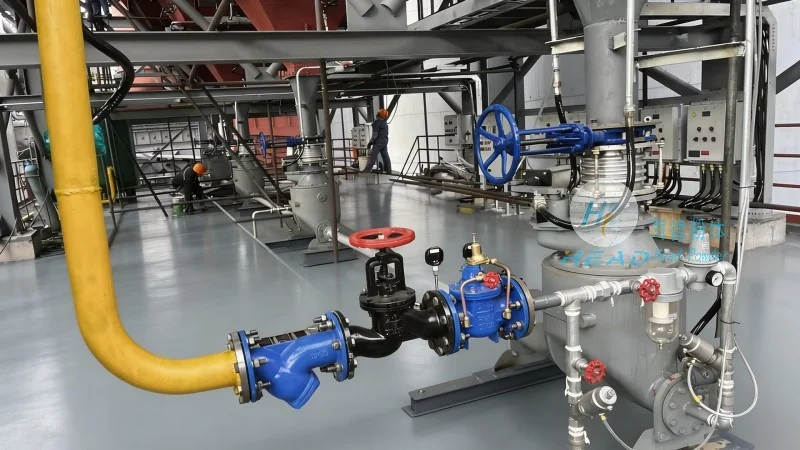
In conclusion, soybean grain powder conveying systems are essential components in the efficient handling and transportation of soybean powder in various industrial applications. The understanding of their structural components and working principles is vital for ensuring reliable and efficient operation. By selecting the appropriate equipment and following best practices in design and maintenance, industries can achieve significant improvements in productivity and cost-effectiveness. Shandong HeadPowder Engineering Co., Ltd., a leading manufacturer in this field, specializes in the design and production of high-quality soybean grain powder conveying systems. With years of experience and a commitment to innovation, the company provides tailored solutions to meet the diverse needs of its clients. Headquartered in Shandong, China, HeadPowder Engineering Co., Ltd. leverages advanced technology and rigorous quality control to deliver systems that meet international standards and customer expectations. Whether for food processing, animal feed production, or other applications, the company's expertise in soybean grain powder conveying ensures that clients receive reliable and efficient solutions that enhance their operational performance.

 Shandong Headpowder Engineering Co., Ltd.
 156-6277-7102(Manager Zhang)
  0531-83386006
  Zhangqiu District, Jinan City, Shandong Province, China
telephone
WeChatconsult
top