With more than 10‑year industry experience, Shandong Headpowder delivers full‑service pneumatic‑conveying systems and blowers, undertaking nationwide turn‑key powder‑handling projects.
HeadPowder, a leading provider of advanced powder handling solutions, specializes in the design and implementation of pulsed powder handling systems. These systems are engineered to efficiently transport bulk powders through pipelines, ensuring reliable and consistent material flow in industrial applications. The following overview delves into the core components, operational principles, and structural design of pulsed powder handling systems, highlighting their role in modern powder processing technologies.
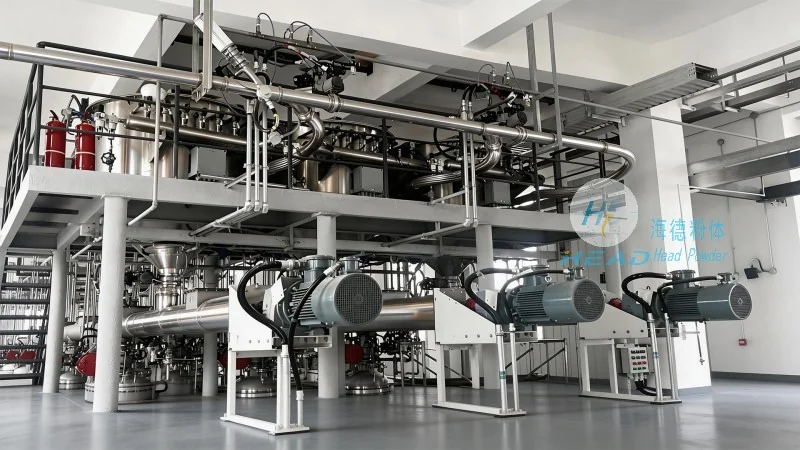
The pulsed powder handling system comprises several critical components that work in tandem to achieve effective powder transport. The primary elements include a hopper or feed bin for material storage, a rotary valve or feeder to control the flow rate, a pulse generator or air compressor to create the pressure pulses, and a pipeline network that conveys the powder. Each component is meticulously designed to optimize performance and durability, ensuring the system can handle a wide range of powder characteristics, from fine powders to bulk materials.
Pulsed powder handling systems operate on the principle of creating periodic pressure pulses within the pipeline. These pulses are generated by the pulse generator, which alternates between high and low pressure states. The high-pressure pulses force the powder to move through the pipeline, while the low-pressure phases allow for the return of air or residual material. This cyclic process ensures continuous and uniform flow, minimizing the risk of clogging or material degradation. The system's efficiency is enhanced by precise control of pulse frequency and pressure, which can be adjusted based on the specific powder properties and pipeline length.
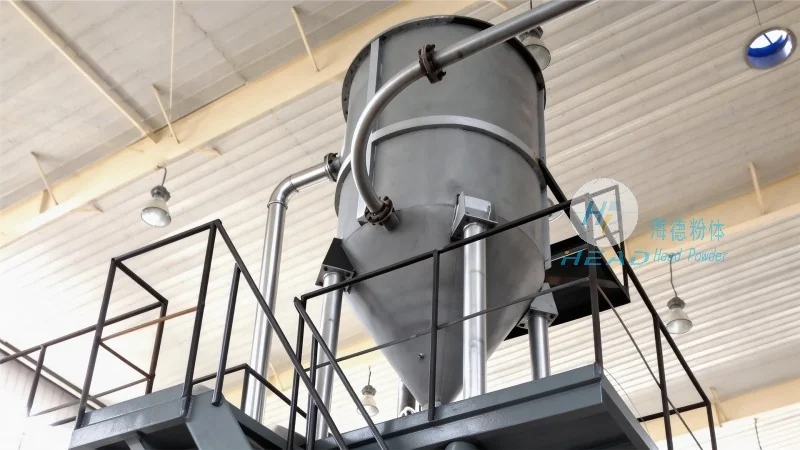
Compared to traditional continuous flow systems, pulsed powder handling systems offer several advantages that make them ideal for demanding industrial applications. One of the key benefits is their ability to handle a broad spectrum of powder types, including cohesive or abrasive materials, without requiring extensive modifications. The pulsing mechanism also reduces the likelihood of material buildup on pipe walls, extending the system's operational life and reducing maintenance costs. Additionally, these systems provide better control over flow rates, enabling precise dosing and dosing accuracy, which is crucial in processes such as pharmaceutical manufacturing or food processing.
The structural design of a pulsed powder handling system is critical to its overall performance and reliability. Engineers at Shandong HeadPowder Engineering Co., Ltd. focus on several key design aspects to ensure the system meets the specific needs of each client. Material selection is a primary consideration, as components are often exposed to abrasive powders and high-pressure pulses. Stainless steel and corrosion-resistant alloys are commonly used for pipeline and valve components to withstand the harsh operating conditions. The pipeline layout is also carefully planned to minimize pressure losses and ensure smooth powder flow, with appropriate bends and fittings that are designed to prevent clogging. Furthermore, the system's control system is integrated with sensors and monitoring tools to provide real-time feedback on flow rates, pressure, and material levels, allowing for immediate adjustments and troubleshooting.
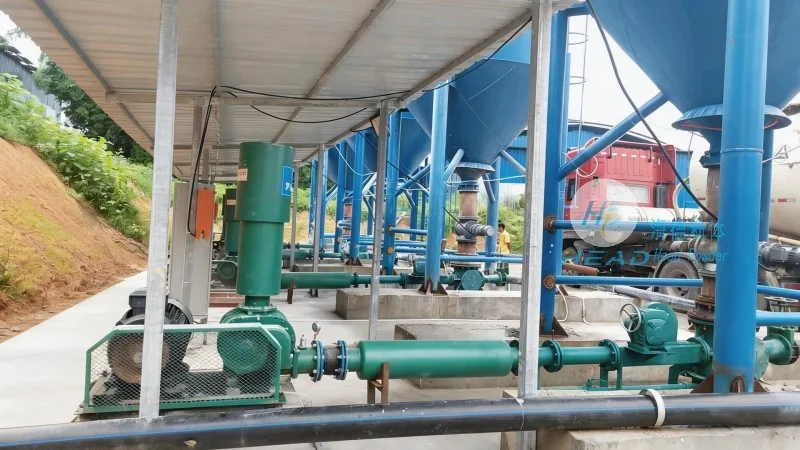
Pulsed powder handling systems are widely used across various industries where bulk powder transport is essential. In the pharmaceutical industry, these systems are employed to transport active pharmaceutical ingredients (APIs) and excipients with high precision, ensuring compliance with stringent quality standards. The food and beverage sector utilizes pulsed systems for handling powders such as cocoa, sugar, and vitamins, maintaining product purity and consistency. The chemical industry benefits from these systems when transporting abrasive or corrosive powders, while the mining and minerals sector uses them to move bulk materials like ores and minerals. Each application requires tailored system configurations, including different hopper sizes, pulse frequencies, and pipeline materials, to achieve optimal performance.
Shandong HeadPowder Engineering Co., Ltd., based in China, is a trusted partner in the development and implementation of pulsed powder handling systems. With a commitment to innovation and quality, the company provides customized solutions that address the unique challenges of each industrial application. By leveraging advanced engineering principles and rigorous testing, HeadPowder ensures that its systems deliver reliable, efficient, and cost-effective powder transport solutions. As industries continue to demand higher precision and efficiency in powder processing, the role of pulsed powder handling systems will remain critical, and companies like HeadPowder will continue to lead the way in advancing this technology.

 Shandong Headpowder Engineering Co., Ltd.
 156-6277-7102(Manager Zhang)
  0531-83386006
  Zhangqiu District, Jinan City, Shandong Province, China
telephone
WeChatconsult
top