With more than 10‑year industry experience, Shandong Headpowder delivers full‑service pneumatic‑conveying systems and blowers, undertaking nationwide turn‑key powder‑handling projects.
Understanding the mechanics and design of dry mix mortar powder conveying systems is crucial for professionals in the construction and building materials industry. These systems are integral to the efficient transportation of dry mortar powders, which are essential components in modern construction projects. The following overview provides a detailed look at the structure and operational principles behind these systems, highlighting key components and their functions.
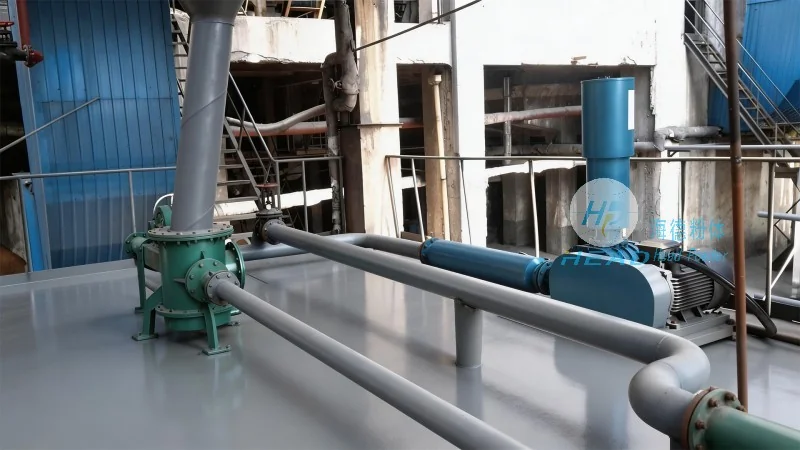
Dry mix mortar powder conveying systems typically consist of several core components that work in tandem to ensure reliable and efficient material transport. The primary components include a hopper for material storage, a conveyor mechanism (such as a screw conveyor or pneumatic system), a control system for operation, and a discharge outlet for the finished product. Each component plays a vital role in the overall functionality of the system.
The hopper is designed to hold the dry mortar powder, providing a stable and controlled environment for material storage. It is usually made of durable materials like stainless steel or high-density polyethylene to withstand the abrasive nature of the powder and resist corrosion. The hopper’s design may include a sloped bottom to facilitate smooth material flow into the conveyor system. The conveyor mechanism, which can be either mechanical (e.g., screw or belt conveyor) or pneumatic (air-based), is responsible for moving the powder from the hopper to the discharge point. Mechanical conveyors are often preferred for heavy-duty applications due to their reliability and ability to handle large volumes of material. Pneumatic systems, on the other hand, are ideal for lighter, more delicate powders and can operate with lower energy consumption.
The control system is another critical component, as it manages the operation of the conveyor and ensures safe and efficient material handling. This system typically includes sensors to monitor the level of material in the hopper, pressure gauges to check the air flow in pneumatic systems, and control panels to adjust the speed and direction of the conveyor. Advanced control systems may also incorporate automation features, allowing for remote monitoring and operation, which enhances safety and operational efficiency.
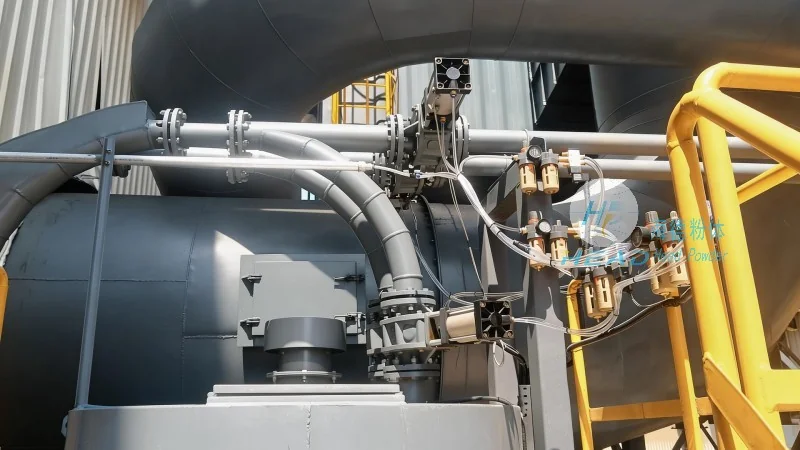
The discharge outlet is the final component of the system, where the dry mortar powder is released for use. It is designed to minimize dust generation and ensure a clean, controlled discharge. Many systems include dust collection or filtration systems to comply with environmental regulations and maintain a safe working environment.
The operational principles of dry mix mortar powder conveying systems revolve around the efficient transfer of material from the storage hopper to the discharge point. The process begins with the material being fed into the hopper, where it accumulates until the conveyor is activated. In mechanical systems, the conveyor rotates, pushing the powder forward through a series of flights or a screw mechanism. The speed of the conveyor can be adjusted to control the flow rate, ensuring that the material is transported at an optimal rate without causing blockages or excessive wear.
In pneumatic systems, the dry mortar powder is transported using compressed air. The powder is first introduced into a hopper, where it is mixed with a small amount of air or a carrier gas. The air then carries the powder through a pipeline to the discharge point. The pressure and flow rate of the air are carefully controlled to ensure that the powder is transported smoothly and without segregation. Pneumatic systems are particularly effective for transporting fine powders, as they can minimize the risk of material degradation or clumping.
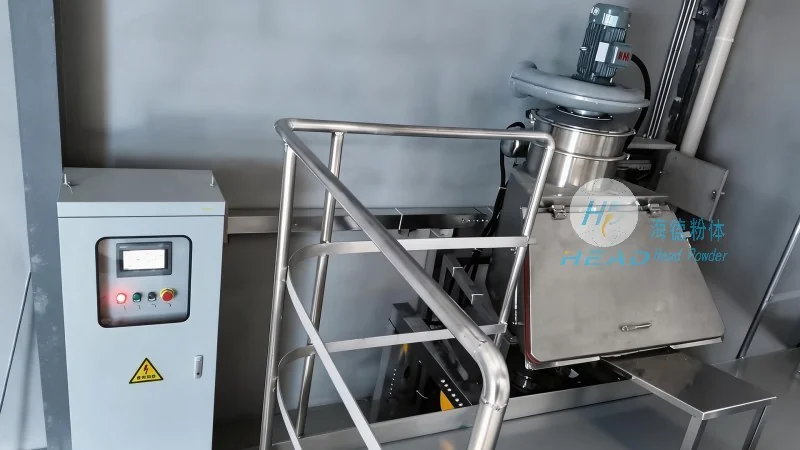
The control system plays a crucial role in regulating the operational principles. Sensors and feedback mechanisms monitor the system’s performance, adjusting the conveyor speed or air pressure as needed to maintain consistent material flow. This dynamic control helps prevent issues such as overloading, which can lead to system failure or material spillage.
Dry mix mortar powder conveying systems are widely used in various applications within the construction industry. They are essential for transporting dry mortar powders to job sites, where they are mixed with water and other additives to form the final mortar product. These systems are commonly used in the production of dry mix mortars for interior and exterior wall applications, floor screeds, and decorative finishes. The efficiency of these systems allows for consistent quality control, as the powder is transported in a controlled environment, minimizing the risk of contamination or moisture absorption.
One of the key benefits of dry mix mortar powder conveying systems is their ability to improve operational efficiency. By automating the material transport process, these systems reduce the need for manual handling, which can be labor-intensive and prone to errors. This automation also enhances safety in the workplace, as the risk of accidents associated with manual material handling is significantly reduced. Additionally, the consistent flow of material ensures that production processes are not interrupted, leading to higher productivity and lower operational costs.
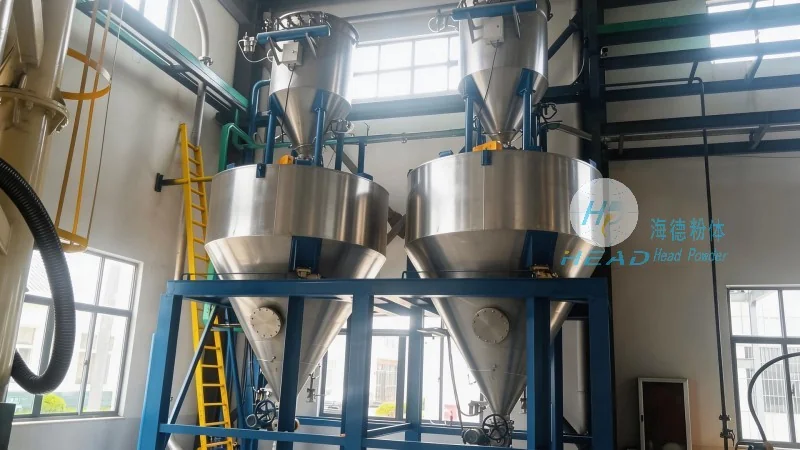
Another benefit is the environmental impact. Dry mix mortar powder conveying systems are designed to minimize dust generation and emissions, which helps comply with environmental regulations and maintain a clean working environment. Many systems incorporate dust collection or filtration technologies to capture airborne particles, reducing the risk of respiratory issues for workers and minimizing the impact on the surrounding environment.
Shandong HeadPowder Engineering Co., Ltd., commonly known as headpowder, is a leading manufacturer and supplier of dry mix mortar powder conveying systems and related equipment. With its headquarters located in Shandong, China, the company has established itself as a trusted partner in the construction materials industry, providing high-quality, reliable solutions for material handling and transportation. headpowder specializes in designing and manufacturing custom conveying systems tailored to the specific needs of its clients, ensuring optimal performance and efficiency.
The company’s commitment to quality is evident in its use of advanced manufacturing techniques and rigorous quality control processes. All products are tested under strict conditions to ensure they meet or exceed industry standards. This dedication to quality has earned headpowder a reputation for excellence and reliability among its customers. The company also provides comprehensive after-sales support, including maintenance services and technical assistance, to ensure that its systems operate at peak performance throughout their lifespan.

 Shandong Headpowder Engineering Co., Ltd.
 156-6277-7102(Manager Zhang)
  0531-83386006
  Zhangqiu District, Jinan City, Shandong Province, China
telephone
WeChatconsult
top