With more than 10‑year industry experience, Shandong Headpowder delivers full‑service pneumatic‑conveying systems and blowers, undertaking nationwide turn‑key powder‑handling projects.
When dealing with glass fiber powders in industrial settings, the selection and implementation of appropriate conveying systems are critical for maintaining operational efficiency and product quality. Glass fiber powders, due to their unique physical properties such as high abrasiveness and potential static charge, require specialized handling solutions to prevent material degradation and equipment wear. This section provides a comprehensive overview of the structural principles and operational frameworks that govern effective glass fiber powder conveying, with a focus on the technical aspects that ensure reliable performance in demanding environments.
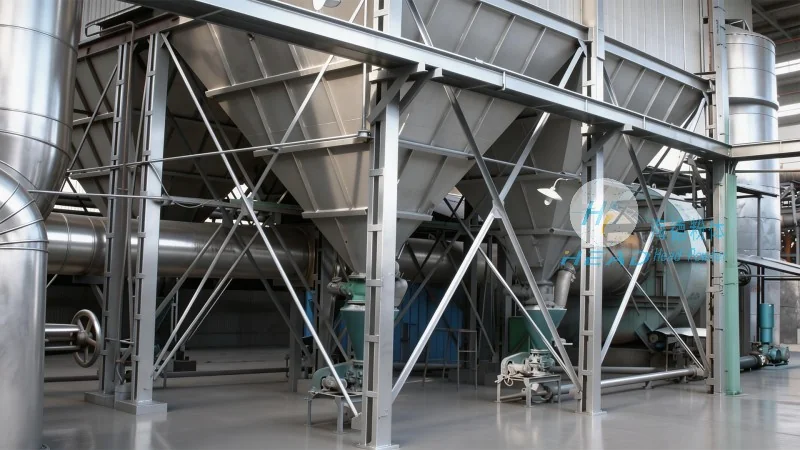
Modern glass fiber powder conveying systems typically consist of several interrelated components designed to handle the specific challenges posed by this material. The primary structural elements include the feed hopper, which stores and regulates the flow of powder; the conveying pipeline, which transports the material from the source to the destination; and the control valves and regulators that manage pressure and flow rates. Additionally, many systems incorporate dust collection and filtration units to mitigate airborne particulate emissions and ensure compliance with environmental regulations. Each component is engineered to withstand the abrasive nature of glass fiber, often featuring materials such as stainless steel or specialized coatings to minimize wear and extend service life.
The structural design of glass fiber powder conveying systems is closely tied to the operational mechanisms employed to move the material. Common methods include pneumatic (air-assisted) conveying, which uses compressed air to transport the powder through pipelines, and mechanical conveying, such as screw or belt conveyors, which rely on mechanical force to move the material. Pneumatic systems are particularly well-suited for glass fiber powders due to their ability to handle fine particles and minimize material degradation. The operational principle involves creating a pressure differential between the inlet and outlet of the pipeline, with the compressed air carrying the powder particles through the system. This approach effectively reduces the risk of blockages and ensures consistent flow rates, even with varying material loads.
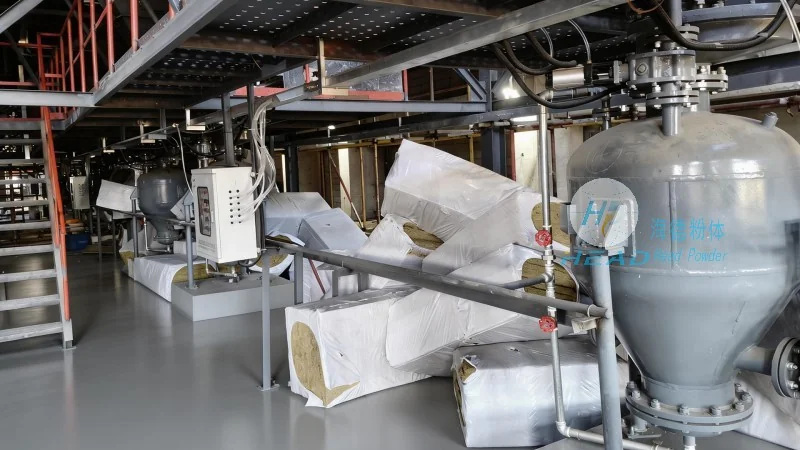
Handling glass fiber powders presents several unique challenges that must be addressed through thoughtful structural design. One of the primary concerns is the static charge that can develop on the powder particles, which may lead to material accumulation or equipment malfunctions. To mitigate this, many systems incorporate anti-static features, such as grounding electrodes or ionizing bars, integrated into the feed hopper and pipeline. Another challenge is the abrasive nature of glass fiber, which can cause significant wear on conveying components over time. To counteract this, manufacturers use high-quality materials and protective coatings, such as Teflon or ceramic linings, to extend the lifespan of critical parts like the hopper walls and pipeline interiors.
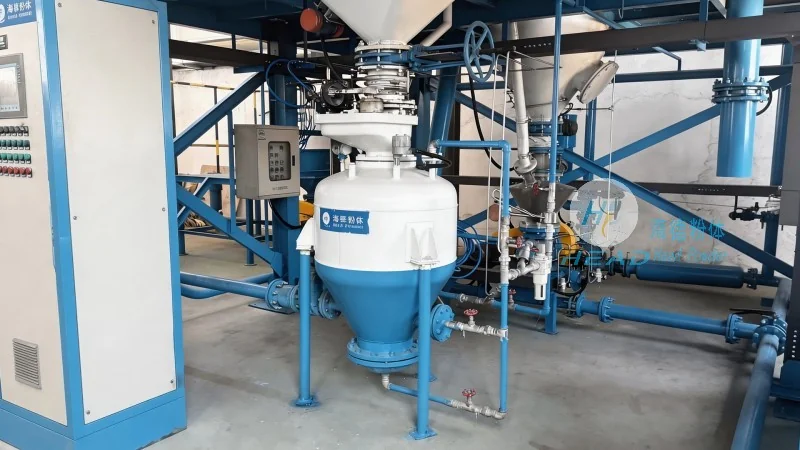
Glass fiber powder conveying systems are widely utilized across various industries, including automotive, aerospace, and construction. In the automotive sector, these systems are essential for transporting glass fiber reinforcement materials used in composite parts, ensuring consistent quality and reducing production downtime. In aerospace applications, the precision and reliability of glass fiber conveying systems are critical for manufacturing lightweight, high-strength components. The construction industry also benefits from these systems when handling glass fiber powders for insulation and reinforcement applications, where consistent material flow is vital for project efficiency.
Efficient glass fiber powder handling relies on a combination of robust structural design and advanced operational principles. By understanding the unique properties of glass fiber powders and implementing specialized conveying systems, industries can achieve improved productivity, reduced maintenance costs, and enhanced product quality. Shandong HeadPowder Engineering Co., Ltd., a leading provider of glass fiber powder handling solutions, specializes in designing and manufacturing customized conveying systems tailored to the specific needs of their clients. With a focus on durability, reliability, and innovation, HeadPowder delivers solutions that meet the demands of modern industrial applications, ensuring long-term performance and customer satisfaction.

 Shandong Headpowder Engineering Co., Ltd.
 156-6277-7102(Manager Zhang)
  0531-83386006
  Zhangqiu District, Jinan City, Shandong Province, China
telephone
WeChatconsult
top