With more than 10‑year industry experience, Shandong Headpowder delivers full‑service pneumatic‑conveying systems and blowers, undertaking nationwide turn‑key powder‑handling projects.
Shandong HeadPowder Engineering Co., Ltd., commonly known as HeadPowder, specializes in the design, manufacturing, and installation of advanced pneumatic conveying systems tailored for various industrial applications. The company, headquartered in Shandong, China, has built a strong reputation for delivering reliable and efficient solutions for material handling, particularly in the processing of diatomite powder—a lightweight, porous sedimentary rock widely used in filtration, insulation, and other industrial sectors.
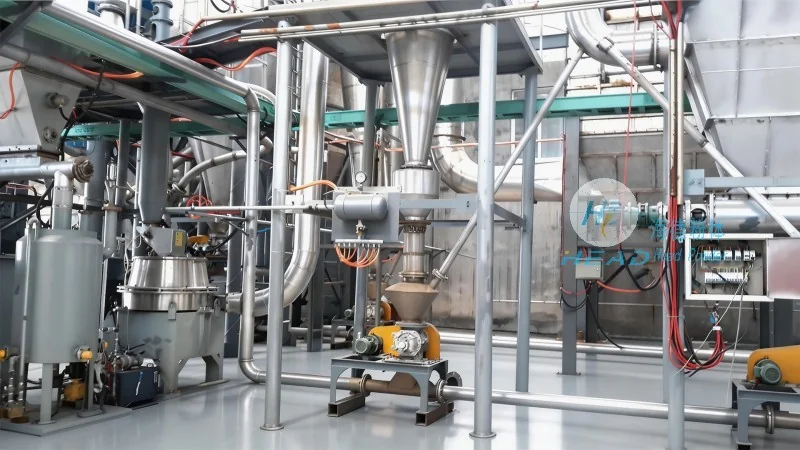
Diatomite powder, due to its fine particle size and low bulk density, poses unique challenges for traditional bulk material handling methods. Conventional systems like belt conveyors or bucket elevators may suffer from material degradation, blockages, or high maintenance costs when dealing with such powders. To address these issues, pneumatic conveying systems offer a sophisticated solution that enables the efficient, dust-free, and continuous transport of diatomite powder from storage silos or processing units to downstream equipment such as reactors, filters, or packaging lines.
The diatomite powder pneumatic conveying system typically consists of several critical components, each playing a vital role in the overall operation. These include the material feed hopper, which stores and regulates the flow of diatomite powder; the air compressor or blower, which generates the necessary pressure to move the material; the conveying line, usually made of stainless steel or other corrosion-resistant materials to prevent particle contamination and system degradation; and the separation and collection equipment, such as cyclones or filters, that separate the powder from the air stream and return the air to the system or release it safely.
The operation of the diatomite powder pneumatic conveying system follows a systematic process designed to ensure optimal performance and minimal downtime. The process begins with the loading of diatomite powder into the feed hopper. A rotary valve or feeder then controls the flow rate of the powder, feeding it into the conveying line at a consistent rate. Simultaneously, the air compressor generates compressed air, which is introduced into the conveying line at a specific pressure and velocity. The compressed air, carrying the diatomite powder particles, travels through the pipeline to the receiving hopper or processing unit. At the receiving end, the air and powder mixture enters a separation device, where the air is separated from the powder. The separated powder is collected in the receiving hopper, while the air is either recirculated back to the system or discharged to the atmosphere, depending on the system design and safety requirements.
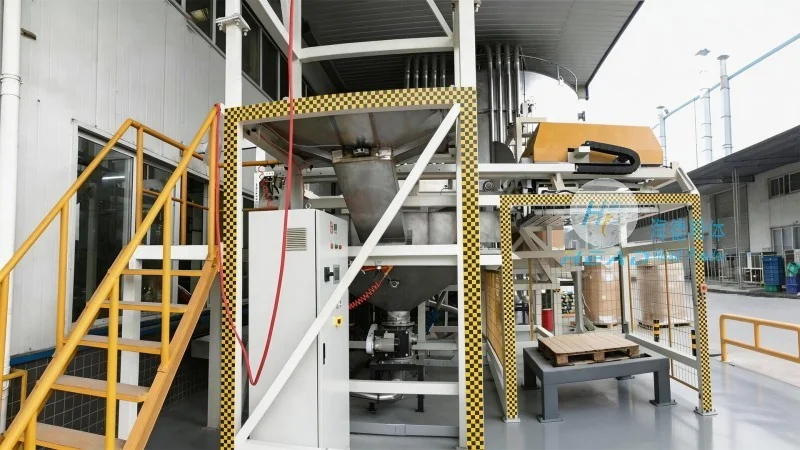
The core working principle of the diatomite powder pneumatic conveying system is based on the physics of fluid dynamics and particle transport. When compressed air is introduced into the conveying line, it creates a high-velocity flow that entrains the diatomite powder particles. The air flow, often referred to as the "air stream," carries the particles along the pipeline by a combination of drag and lift forces. The pressure differential between the feed and receiving ends of the system drives the material forward, ensuring a continuous and stable flow. The system's design, including the air velocity, pressure, and pipeline diameter, is carefully optimized to prevent particle agglomeration, blockages, or excessive wear on the equipment. For diatomite powder, which is lightweight and easily suspended, the system typically operates in a "dense phase" or "low velocity" mode to minimize particle degradation and energy consumption.
Implementing a pneumatic conveying system for diatomite powder offers numerous advantages over traditional handling methods. Firstly, it provides a dust-free and enclosed transport process, significantly reducing the risk of airborne dust exposure and environmental contamination. This is particularly important for diatomite powder, which can be a respiratory hazard if inhaled. Secondly, the system enables continuous and automated material handling, improving production efficiency and reducing labor costs. Thirdly, the enclosed design minimizes material loss and contamination, ensuring the purity of the diatomite powder for downstream applications. Additionally, the system is highly flexible, allowing for changes in material flow rates or destinations without major modifications to the infrastructure. Finally, the energy efficiency of modern pneumatic conveying systems, especially when using high-efficiency blowers and optimized pipeline designs, can lead to substantial cost savings over time.
HeadPowder's diatomite powder pneumatic conveying systems are widely used across various industries that rely on diatomite as a key raw material. These include the filtration industry, where diatomite is used to produce high-quality filter media for water treatment and industrial filtration systems. The construction industry utilizes diatomite powder for insulation materials, lightweight concrete, and decorative coatings. The pharmaceutical and food industries also benefit from the system's ability to handle diatomite powder in a hygienic and controlled manner, ensuring product purity and compliance with regulatory standards. Additionally, the system is suitable for applications in the chemical and petrochemical sectors, where diatomite is used as a filler or adsorbent in various products.
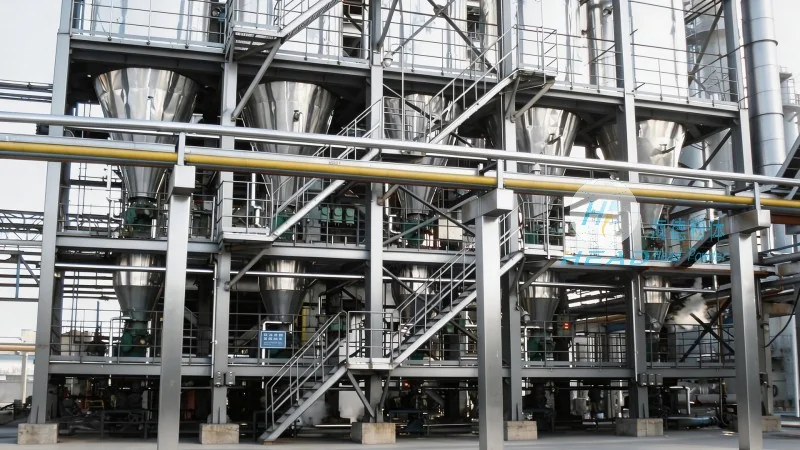
HeadPowder understands that each industrial facility has unique requirements and constraints. Therefore, the company offers customized pneumatic conveying solutions tailored to specific customer needs. This includes designing systems with varying capacities, pressure ranges, and material handling capabilities to match the production scale and operational conditions of the client. The systems can be integrated seamlessly with existing storage silos, processing equipment, or packaging lines, minimizing the need for major infrastructure changes. HeadPowder's engineering team works closely with clients to assess their current operations, identify bottlenecks, and develop a comprehensive solution that optimizes material flow, reduces downtime, and enhances overall productivity.
Ensuring the long-term reliability and efficiency of the diatomite powder pneumatic conveying system requires proper maintenance and operational support. HeadPowder provides comprehensive after-sales services, including regular maintenance checks, component replacement, and technical support. The company's team of experienced engineers and technicians is available to troubleshoot issues, provide training to client staff, and offer guidance on best practices for system operation and maintenance. By offering these services, HeadPowder aims to maximize the system's lifespan, minimize operational costs, and ensure consistent performance over time.
In conclusion, the pneumatic conveying system for diatomite powder is a critical technology in modern industrial processing. It addresses the unique challenges associated with handling fine, lightweight powders while offering numerous benefits in terms of efficiency, safety, and cost-effectiveness. Shandong HeadPowder Engineering Co., Ltd. has established itself as a leading provider of such systems, leveraging its expertise and commitment to quality to deliver solutions that meet the evolving needs of the diatomite processing industry. By investing in advanced pneumatic conveying technology, industries can enhance their operational capabilities, improve product quality, and achieve sustainable growth in their respective markets.

 Shandong Headpowder Engineering Co., Ltd.
 156-6277-7102(Manager Zhang)
  0531-83386006
  Zhangqiu District, Jinan City, Shandong Province, China
telephone
WeChatconsult
top