With more than 10‑year industry experience, Shandong Headpowder delivers full‑service pneumatic‑conveying systems and blowers, undertaking nationwide turn‑key powder‑handling projects.
HeadPowder Engineering, formally known as Shandong HeadPowder Engineering Co., Ltd., is a leading enterprise headquartered in Shandong, China. The company specializes in the research, development, and manufacturing of advanced pneumatic conveying systems tailored for refractory materials. With a strong commitment to quality and innovation, HeadPowder has established itself as a trusted supplier in the industrial material handling sector, providing customized solutions that meet the unique requirements of clients across various industries.
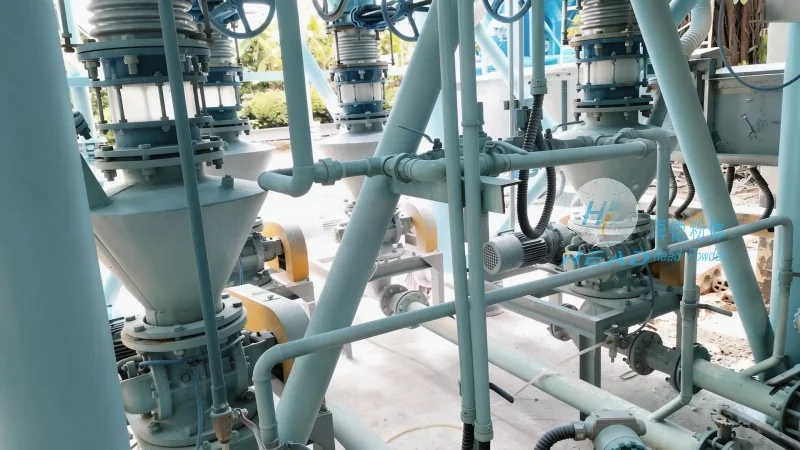
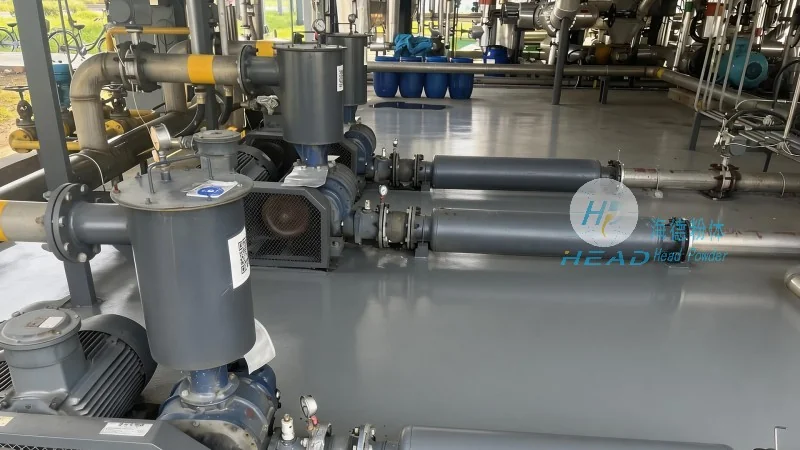
Refractory material pneumatic conveying equipment is a sophisticated industrial system designed to transport refractory materials—such as fire bricks, refractory powders, and granules—through a pipeline network using air or gas as the conveying medium. This technology represents a significant advancement over traditional material handling methods, offering a dust-free, efficient, and flexible approach to moving refractory materials, which are essential components in high-temperature industrial processes like steelmaking, cement production, and glass manufacturing. The equipment is engineered to ensure minimal material degradation, maintain consistent flow rates, and provide a safe working environment by eliminating the need for manual handling of potentially hazardous or heavy refractory materials.
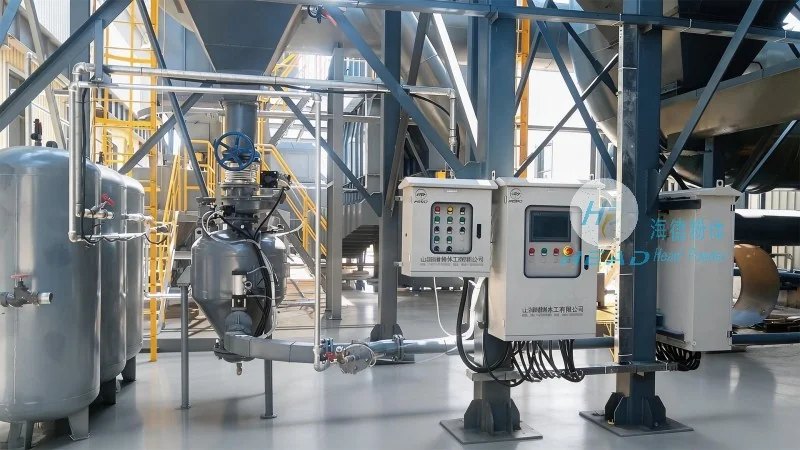
The refractory material pneumatic conveying system comprises several interconnected components, each critical to the system's performance. The primary components include a material hopper for storage, a feeder to regulate the material flow into the system, a conveying pipeline that transports the material, a pressure vessel or receiver to collect the material at the discharge end, and a blower or air compressor that generates the air or gas flow. The operation begins when the feeder releases refractory material into the pipeline, where it is entrained by the high-velocity air stream. The air and material mixture travels through the pipeline to the receiver, where a cyclone or other separation device separates the material from the air. The separated material is then collected in the receiver, while the air is either recirculated back into the system or vented to the atmosphere, depending on the design. This process ensures efficient material transport while maintaining system efficiency and minimizing energy consumption.
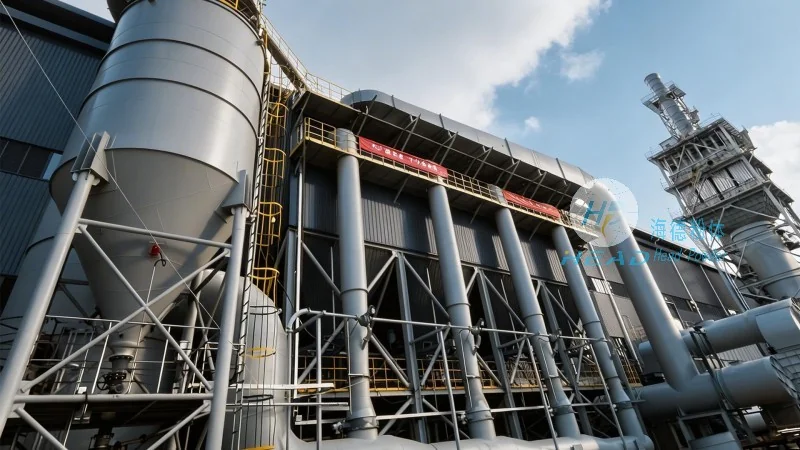
Compared to conventional material handling methods, refractory material pneumatic conveying equipment offers several key advantages. These include reduced labor costs by automating the material transport process, enhanced safety by minimizing exposure to dust, heavy materials, and manual handling risks, and improved material quality by preventing contamination and degradation during transport. The system also provides consistent flow rates, which is crucial for maintaining stable production processes in industrial settings. Additionally, the flexibility of pneumatic conveying allows for easy integration into existing industrial layouts, enabling the transport of materials over long distances or through complex routes. Common applications of this equipment include transporting refractory bricks and powders from storage silos to production lines, feeding raw materials into kilns and furnaces, and handling waste materials in recycling operations. The adaptability of the system makes it suitable for various refractory material handling scenarios, from small-scale operations to large industrial facilities.

 Shandong Headpowder Engineering Co., Ltd.
 156-6277-7102(Manager Zhang)
  0531-83386006
  Zhangqiu District, Jinan City, Shandong Province, China
telephone
WeChatconsult
top