With more than 10‑year industry experience, Shandong Headpowder delivers full‑service pneumatic‑conveying systems and blowers, undertaking nationwide turn‑key powder‑handling projects.
Denitrification fly ash pneumatic conveying equipment is a specialized industrial device designed for the efficient and safe transportation of fly ash generated from denitrification processes in power plants. This equipment plays a crucial role in the overall operation of power generation facilities, ensuring that fly ash is handled and transported according to environmental and operational standards. As a leading manufacturer in the field, Shandong HeadPowder Engineering Co., Ltd. specializes in providing high-quality solutions for such equipment, with a focus on durability, efficiency, and compliance with industry regulations.
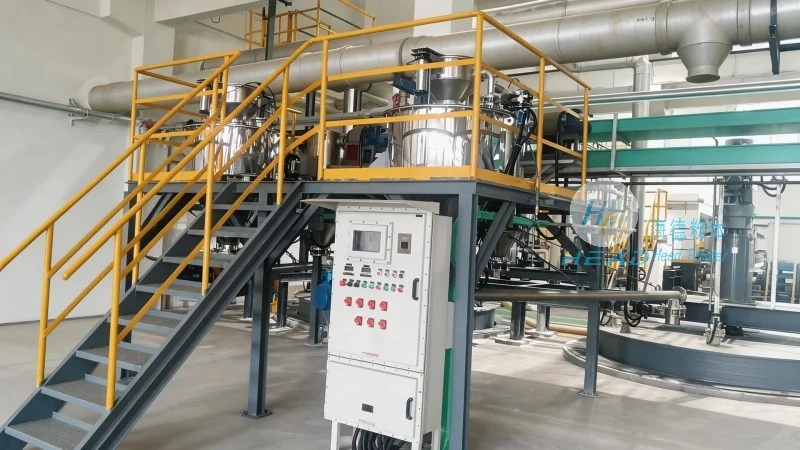
Denitrification fly ash pneumatic conveying equipment is engineered to handle the fine particulate matter known as fly ash, which is produced during the denitrification process in thermal power plants. This process involves the removal of nitrogen oxides from flue gases, and the resulting fly ash requires proper handling to prevent environmental contamination and ensure compliance with regulatory standards. The equipment is designed to transport this ash from the denitrification unit to storage or disposal locations with minimal dust emission and maximum operational efficiency.
The denitrification fly ash pneumatic conveying system typically consists of several core components that work in tandem to achieve effective material transport. These components include a hopper for ash collection, a rotary valve or feeder to control the flow of ash into the conveying line, a pipeline system for transporting the ash, a dust collector or filter to manage airborne particles, and a discharge unit for depositing the ash at the destination. The structural design emphasizes durability and corrosion resistance, as the equipment is exposed to harsh conditions and abrasive materials. Materials such as stainless steel or high-grade alloys are commonly used for critical parts to ensure long-term reliability and minimal maintenance.
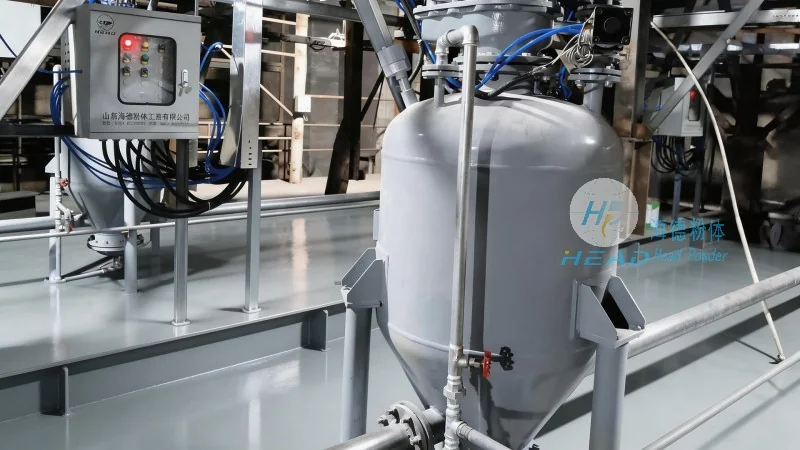
The operation of denitrification fly ash pneumatic conveying equipment is based on the principle of pneumatic transport, where air is used as the medium to move the fly ash particles through the pipeline. The process begins with the ash being fed into the hopper, where it is then discharged into the conveying line via a rotary valve. Compressed air is introduced into the pipeline, creating a flow that propels the ash particles forward. The air velocity and pressure are carefully controlled to maintain a stable and efficient flow, preventing blockages and ensuring consistent transport rates. The system may use either positive pressure (air blowing) or negative pressure (air suction) depending on the specific application and layout of the plant. In positive pressure systems, air is blown through the pipeline, pushing the ash forward, while negative pressure systems use suction to draw the ash through the line.
Compared to traditional mechanical conveying methods, denitrification fly ash pneumatic conveying equipment offers several advantages. These include reduced labor costs due to automated operation, lower maintenance requirements as there are fewer moving parts, and improved safety by minimizing direct human contact with the ash. Additionally, the system can handle a wide range of ash particle sizes and moisture contents, making it versatile for different power plant configurations. The enclosed pipeline design also helps in controlling dust emissions, contributing to better environmental performance and compliance with air quality regulations. Furthermore, the ability to transport ash over long distances without the need for intermediate storage or transfer points enhances operational flexibility and efficiency.
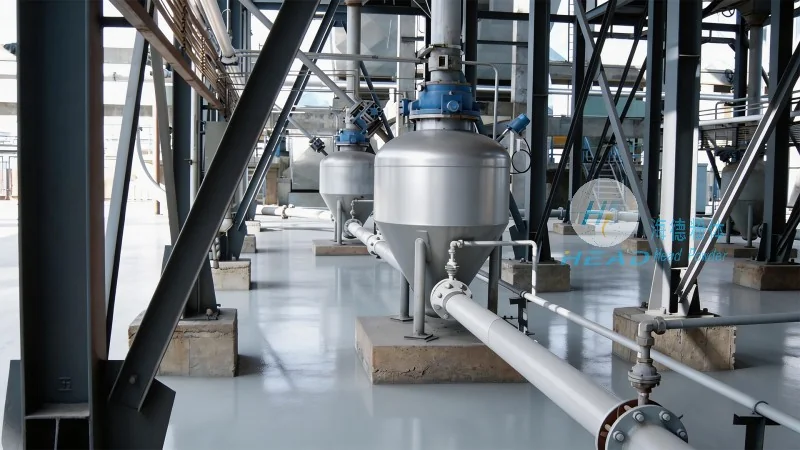
Denitrification fly ash pneumatic conveying equipment is widely used in thermal power plants, particularly those equipped with advanced denitrification systems. The equipment is typically integrated into the overall plant layout, with the hopper and feeder located near the denitrification unit and the discharge point positioned at the ash storage or disposal site. Operational considerations include regular maintenance of the air compressor and filtration system to ensure consistent air quality, monitoring of ash flow rates to prevent system overload, and inspection of the pipeline for any signs of wear or blockage. Proper training of operational personnel is also essential to handle any potential issues, such as system shutdowns or material jams, effectively and safely.
Denitrification fly ash pneumatic conveying equipment is a critical component in modern power generation facilities, providing an efficient and environmentally friendly solution for handling and transporting fly ash. Its robust design, reliable operation, and ability to meet regulatory standards make it an essential investment for power plants aiming to optimize their denitrification processes. By understanding the structure and working principles of this equipment, plant operators can ensure its proper maintenance and utilization, contributing to the overall sustainability and efficiency of their operations.

 Shandong Headpowder Engineering Co., Ltd.
 156-6277-7102(Manager Zhang)
  0531-83386006
  Zhangqiu District, Jinan City, Shandong Province, China
telephone
WeChatconsult
top