With more than 10‑year industry experience, Shandong Headpowder delivers full‑service pneumatic‑conveying systems and blowers, undertaking nationwide turn‑key powder‑handling projects.
HeadPowder, a leading provider in the field, specializes in the design and implementation of efficient fertilizer powder conveying systems. These systems are crucial for the seamless transport of bulk fertilizer materials from storage to processing or application points. The company, based in Shandong, China, leverages advanced engineering solutions to ensure reliable and cost-effective material handling in agricultural and industrial settings.
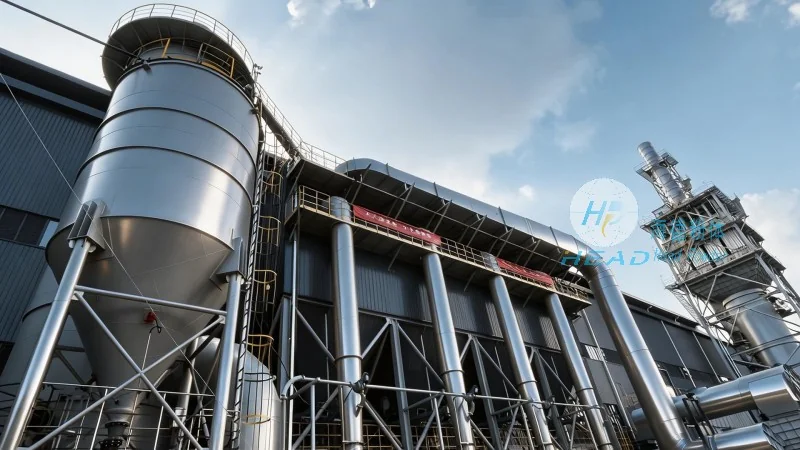
The fertilizer powder conveying system typically consists of several integral components that work in concert to achieve optimal performance. These include feed hoppers, conveyor belts or screw conveyors, pneumatic or mechanical transport mechanisms, and control systems. Each component is meticulously designed to handle the specific characteristics of fertilizer powders, such as particle size, moisture content, and flowability. The feed hopper is responsible for storing and regulating the flow of material into the system, ensuring a consistent feed rate. The conveyor mechanism, whether mechanical (e.g., screw or belt) or pneumatic (e.g., air slides or vacuum systems), then transports the powder through the system. Control systems, often integrated with sensors and automation, monitor and adjust the operation to maintain efficiency and prevent issues like blockages or overloading.
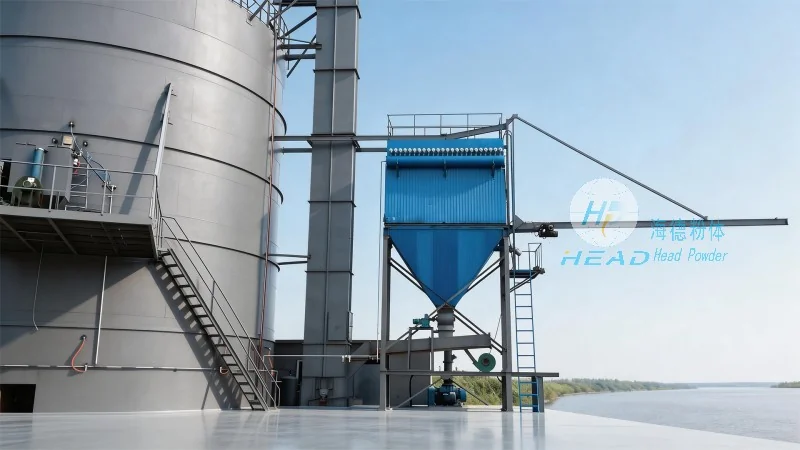
The operation of the fertilizer powder conveying system follows a systematic process that begins with material loading and ends with delivery to the target location. Initially, fertilizer is loaded into the feed hopper from storage silos or trucks. The hopper's design, often equipped with a level indicator, ensures that the material is fed at a controlled rate, preventing excess pressure or spillage. Once the material is in the hopper, it is transferred to the conveyor mechanism. For mechanical conveyors, the screw or belt rotates, moving the powder forward. In pneumatic systems, compressed air or vacuum is used to create a flow of material through pipes or ducts. The conveyor then transports the powder to intermediate storage or directly to the processing unit. At each stage, sensors may be used to monitor flow rates, pressure, and temperature, providing real-time data for system adjustments. The control system coordinates the operation of all components, ensuring that the conveyor runs smoothly and efficiently. When the material reaches the final destination, such as a blending or packaging facility, it is discharged from the system, completing the transport cycle.
The working principle of the fertilizer powder conveying system is based on the principles of material handling and fluid dynamics, adapted to handle solid powders. The system operates by converting the potential energy of the material in the hopper into kinetic energy through the conveyor mechanism. In mechanical systems, the rotating screw or belt exerts a force on the powder particles, causing them to move forward due to friction and gravity. The design of the conveyor components, such as the pitch of a screw or the speed of a belt, is critical in controlling the flow rate and preventing material degradation or segregation. Pneumatic systems, on the other hand, rely on the movement of air to transport the powder. Compressed air creates a flow that carries the particles through the ducts, while vacuum systems draw the material from the hopper and move it through the system. The control system plays a vital role in maintaining the balance of pressure and flow, ensuring that the material is transported without excessive pressure drops or air leaks. The integration of sensors and automation allows for precise control, adapting to changes in material properties or system conditions. This principle ensures that the fertilizer is conveyed safely and efficiently, minimizing losses and maximizing throughput.
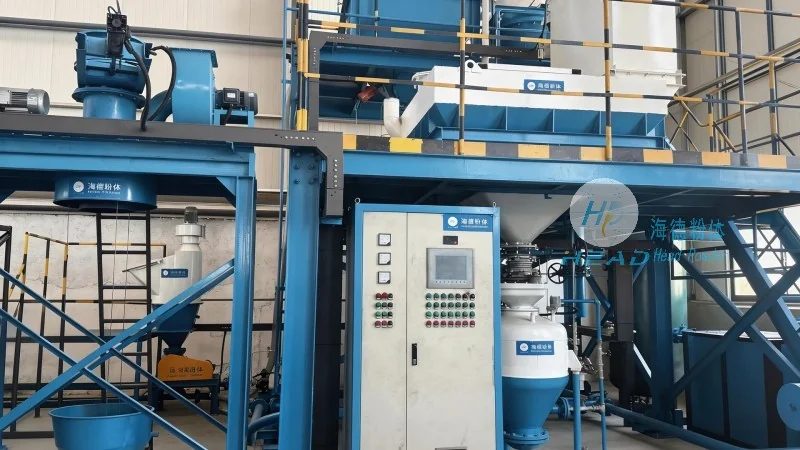
The fertilizer powder conveying system offers several advantages that make it a preferred choice for bulk material handling in the agricultural industry. These include high efficiency, as the system can transport large volumes of material with minimal labor. It also provides a clean and hygienic method of handling, reducing dust and contamination compared to manual handling. The system is highly adaptable, capable of handling various types of fertilizers, including granular, powdered, and liquid-soluble forms. Additionally, the automation and control features enhance safety and reduce the risk of accidents or material spills. The applications of these systems are widespread, ranging from on-farm storage and distribution to industrial fertilizer production and processing. They are used in fertilizer blending plants, where materials are mixed to create customized formulations, and in packaging facilities, where the final product is loaded into bags or containers. The system's reliability and durability make it suitable for continuous operation, even in harsh environmental conditions. Overall, the fertilizer powder conveying system is an essential component of modern agricultural and industrial operations, ensuring the efficient and safe transport of fertilizer materials.

 Shandong Headpowder Engineering Co., Ltd.
 156-6277-7102(Manager Zhang)
  0531-83386006
  Zhangqiu District, Jinan City, Shandong Province, China
telephone
WeChatconsult
top