With more than 10‑year industry experience, Shandong Headpowder delivers full‑service pneumatic‑conveying systems and blowers, undertaking nationwide turn‑key powder‑handling projects.
Aluminum hydride powder is a critical material in various industrial applications, including chemical synthesis, energy storage, and advanced material production. The efficient and safe transportation of this powder is essential for maintaining production efficiency and ensuring operational safety. Pneumatic conveying systems offer a reliable solution for handling aluminum hydride powder, with two primary modes: positive pressure and negative pressure. This article provides a detailed analysis of these two modes, highlighting their technical characteristics, advantages, and practical applications.
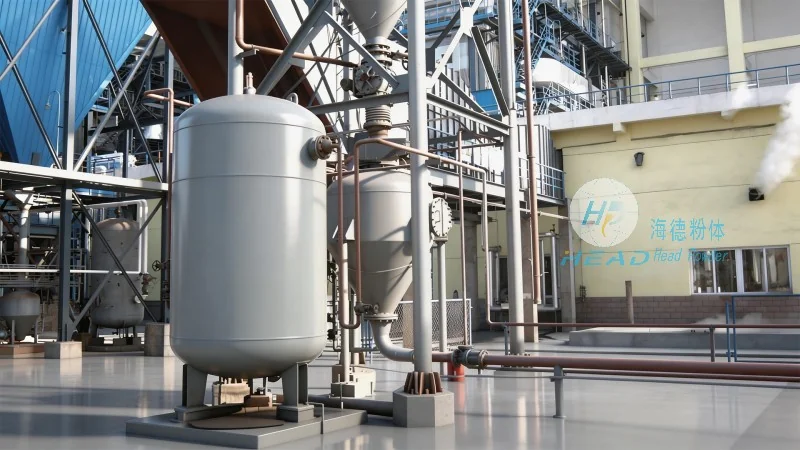
Pneumatic conveying systems use air or other gases to transport bulk materials like aluminum hydride powder through a pipeline network. The choice between positive and negative pressure modes depends on factors such as material properties, system design, and operational requirements. Both modes have distinct advantages and are suitable for different scenarios in industrial settings. HeadPowder, a division of Shandong HeadPowder Engineering Co., Ltd., specializes in designing and manufacturing custom pneumatic conveying solutions for aluminum hydride powder applications.
Positive pressure systems operate by generating air pressure above atmospheric pressure at the conveying point. This method forces the powder and air mixture through the pipeline, ensuring consistent flow and preventing material degradation. The system typically includes a blower or compressor that supplies compressed air to the conveying line. A key advantage of positive pressure is its ability to handle abrasive or corrosive materials without causing excessive wear on the system components. For aluminum hydride powder, which can be reactive and sensitive to moisture, positive pressure systems can be designed with sealed pipelines and moisture-resistant materials to maintain material integrity.
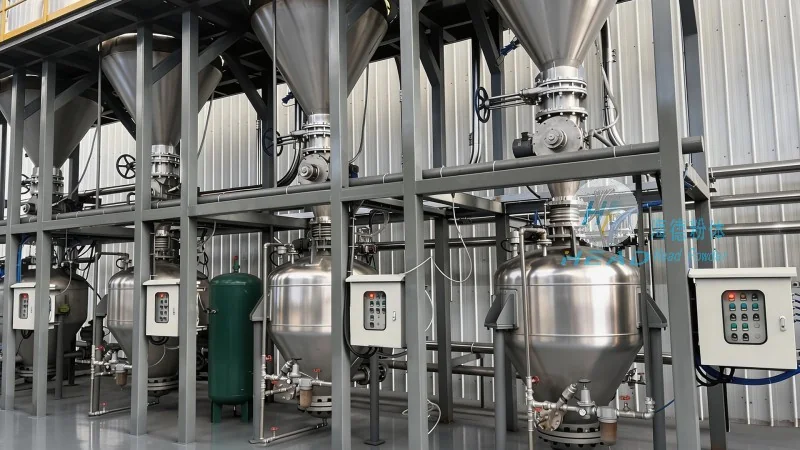
HeadPowder's expertise lies in selecting appropriate blower types, such as centrifugal or positive displacement blowers, based on the specific flow rate and pressure requirements. The positive pressure mode is particularly effective for long-distance conveying and for transporting powder from multiple sources to a central processing unit. The system can be equipped with features like pressure relief valves and particle size classifiers to ensure stable operation and prevent clogging.
Negative pressure systems, also known as vacuum conveying, operate by creating a vacuum at the receiving end of the pipeline. This draws the powder and air mixture into the system, moving the material from the source to the destination. Unlike positive pressure, negative pressure systems do not require high-pressure air at the conveying point, which can reduce energy consumption and equipment costs. However, they are more susceptible to clogging and material degradation due to the lower air velocity and higher particle concentration in the pipeline.
For aluminum hydride powder, negative pressure systems may be preferred in applications where the material is less abrasive and where the conveying distance is relatively short. The system design includes a vacuum pump at the receiving end and a hopper or feeder at the source. The vacuum pump creates a pressure differential that pulls the powder into the pipeline. HeadPowder offers vacuum conveying solutions tailored to the unique properties of aluminum hydride, ensuring that the material is handled gently and efficiently. The company's systems incorporate features like air filters and moisture traps to maintain the purity of the powder and prevent contamination.
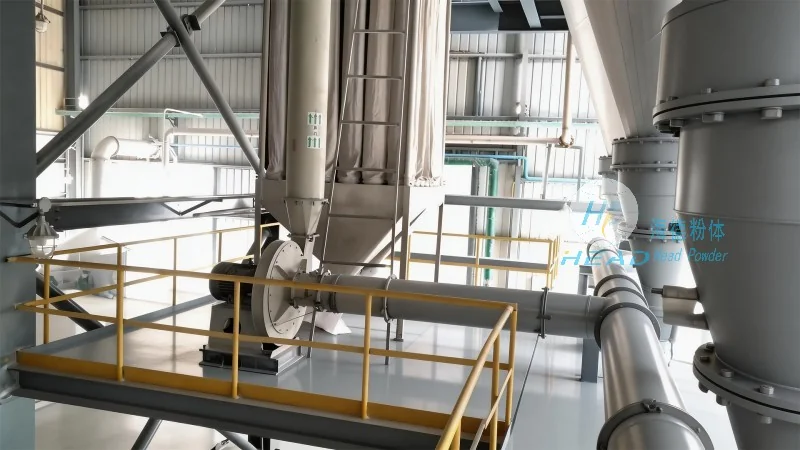
When choosing between positive and negative pressure pneumatic conveying for aluminum hydride powder, several factors must be considered. The primary differences lie in energy consumption, material handling efficiency, and system complexity. Positive pressure systems generally consume more energy due to the need for high-pressure air, but they offer better control over flow rates and can handle longer distances with higher material throughput. Negative pressure systems are more energy-efficient but may require more frequent maintenance to prevent clogging and ensure consistent performance.
The choice also depends on the specific application and the properties of the aluminum hydride powder. For example, in high-volume production lines where speed and reliability are critical, positive pressure systems may be more suitable. In contrast, for smaller-scale operations or where the powder is less sensitive to pressure, negative pressure systems can provide an effective and cost-efficient solution. HeadPowder's technical team evaluates each project to determine the optimal mode based on client requirements, material characteristics, and operational constraints.
Regardless of the chosen mode, several key considerations are essential for successful pneumatic conveying of aluminum hydride powder. Material properties, such as particle size, density, and moisture content, significantly impact system performance. The system must be designed to handle the specific characteristics of the powder to prevent issues like clogging, agglomeration, or material degradation. HeadPowder's engineers conduct thorough material analysis to ensure that the conveying system is tailored to the powder's unique properties.
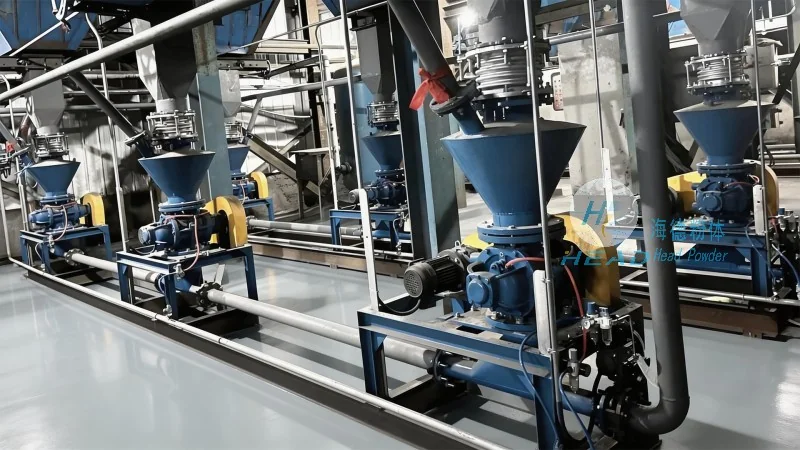
System design and maintenance are also critical. Proper pipeline sizing, air velocity control, and equipment selection are necessary to maintain efficient and safe operation. Regular maintenance, including cleaning and inspection of components, is essential to prevent wear and tear and ensure long-term reliability. HeadPowder provides comprehensive maintenance services and technical support to clients, ensuring that their pneumatic conveying systems operate at peak performance.
Pneumatic conveying is a vital technology for handling aluminum hydride powder, with positive and negative pressure modes offering distinct advantages. The choice between the two depends on factors such as material properties, conveying distance, and operational requirements. HeadPowder, with its expertise in customizing pneumatic conveying solutions, provides reliable and efficient systems for aluminum hydride powder applications. By understanding the technical characteristics and practical applications of both positive and negative pressure modes, industries can select the most suitable system to enhance production efficiency and ensure operational safety.

 Shandong Headpowder Engineering Co., Ltd.
 156-6277-7102(Manager Zhang)
  0531-83386006
  Zhangqiu District, Jinan City, Shandong Province, China
telephone
WeChatconsult
top