With more than 10‑year industry experience, Shandong Headpowder delivers full‑service pneumatic‑conveying systems and blowers, undertaking nationwide turn‑key powder‑handling projects.
Efficient and reliable cocoa conveying is a critical aspect of the processing industry, ensuring smooth material handling from raw cocoa beans to finished products. Various methods are employed to transport cocoa, each with its own advantages and applications. This article explores common cocoa conveying methods, with a particular focus on the benefits and applications of pneumatic conveying systems.
In the cocoa processing sector, selecting the right conveying method is essential for maintaining product quality, minimizing downtime, and optimizing operational efficiency. Traditional methods such as belt conveyors, screw conveyors, and bucket elevators have been widely used. However, as industries demand higher throughput and more hygienic handling, advanced solutions like pneumatic conveying have gained prominence. Each method has unique characteristics that make it suitable for specific stages of cocoa processing, from raw bean reception to packaging.
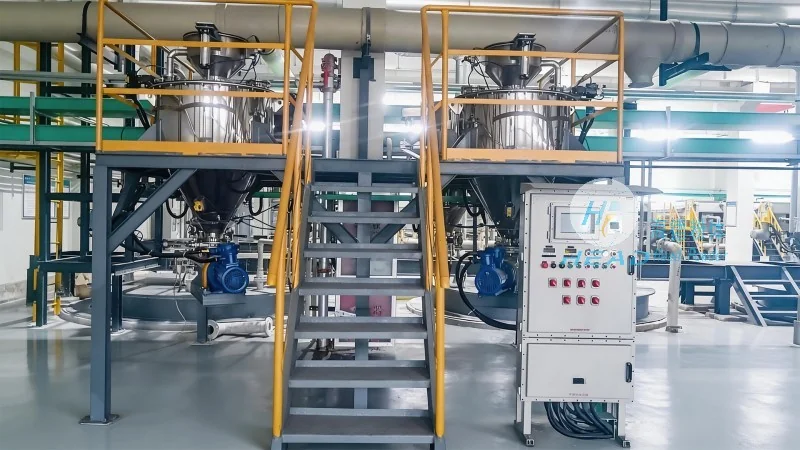
HeadPowder, a leading manufacturer based in Shandong, China, specializes in designing and manufacturing advanced pneumatic conveying systems tailored for cocoa applications. Pneumatic conveying, also known as air conveying, utilizes air pressure to transport cocoa particles through a pipeline system. This method offers several advantages over traditional mechanical conveyors, including reduced product contamination, lower maintenance costs, and the ability to handle a wide range of cocoa products, from whole beans to ground powders.
The core components of a pneumatic conveying system include a hopper for material storage, a blower or compressor to generate air flow, and a pipeline network that directs the material to its destination. HeadPowder’s systems are engineered to ensure consistent air pressure and flow rates, which are crucial for maintaining the integrity of cocoa products. The company’s expertise in material handling technology allows for customized solutions that meet the specific needs of cocoa processors, whether for small-scale operations or large industrial facilities.
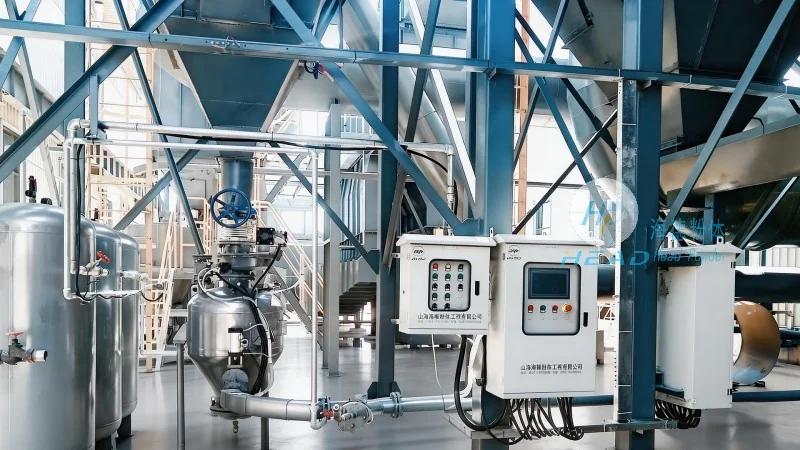
One of the primary benefits of pneumatic conveying is its ability to maintain product quality by minimizing physical contact and exposure to contaminants. Unlike mechanical conveyors that may cause friction or abrasion, air-based systems gently transport cocoa, preserving its flavor and texture. This is particularly important for high-value cocoa products where quality is a key differentiator in the market.
Another advantage is the flexibility of pneumatic systems. They can be easily integrated into existing processing lines and adapted to handle different cocoa forms, such as whole beans, nibs, or powder. This adaptability makes them suitable for various stages of production, from receiving raw materials to transferring finished products to packaging equipment. HeadPowder’s systems are designed with modular components, allowing for easy expansion or modification as production needs evolve.
Cost-effectiveness is also a significant factor. While initial investment in pneumatic conveying systems may be higher than traditional methods, the long-term savings in maintenance and operational costs often outweigh the initial expense. Mechanical conveyors require regular lubrication, cleaning, and replacement of parts, whereas pneumatic systems have fewer moving parts and lower maintenance requirements. This results in reduced downtime and increased productivity for cocoa processing facilities.

Pneumatic conveying is widely used in several stages of cocoa processing. In the reception and storage phase, it efficiently moves raw cocoa beans from trucks or storage silos into processing facilities. The system can handle large volumes of material, ensuring a steady supply for production. During the grinding and refining stages, pneumatic systems transport ground cocoa mass to the next processing step, such as mixing or molding. This seamless transfer minimizes material loss and maintains consistent product quality.
In the final stages, pneumatic conveying is used to transport finished cocoa products, such as powder or chocolate, to packaging lines. The gentle handling ensures that the final product remains free from clumps or damage, enhancing its appearance and marketability. HeadPowder’s systems are designed to meet the stringent hygiene standards required in the food industry, with components that are easy to clean and maintain, reducing the risk of contamination.
As the cocoa industry continues to evolve, the demand for efficient and reliable conveying solutions remains high. Pneumatic conveying, with its numerous advantages, has become a preferred choice for many cocoa processors. HeadPowder, with its expertise in material handling technology and commitment to quality, provides customized pneumatic conveying systems that address the unique challenges of cocoa processing. By investing in advanced conveying solutions, cocoa manufacturers can enhance their operational efficiency, maintain product quality, and stay competitive in the global market.

 Shandong Headpowder Engineering Co., Ltd.
 156-6277-7102(Manager Zhang)
  0531-83386006
  Zhangqiu District, Jinan City, Shandong Province, China
telephone
WeChatconsult
top