With more than 10‑year industry experience, Shandong Headpowder delivers full‑service pneumatic‑conveying systems and blowers, undertaking nationwide turn‑key powder‑handling projects.
Polystyrene, a widely used thermoplastic polymer, is often handled through pneumatic conveying systems in industrial applications. The choice between positive and negative pressure modes in such systems significantly impacts efficiency, cost, and operational safety. This article provides a detailed analysis of the two primary modes, highlighting their applications, advantages, and considerations for effective material transport.
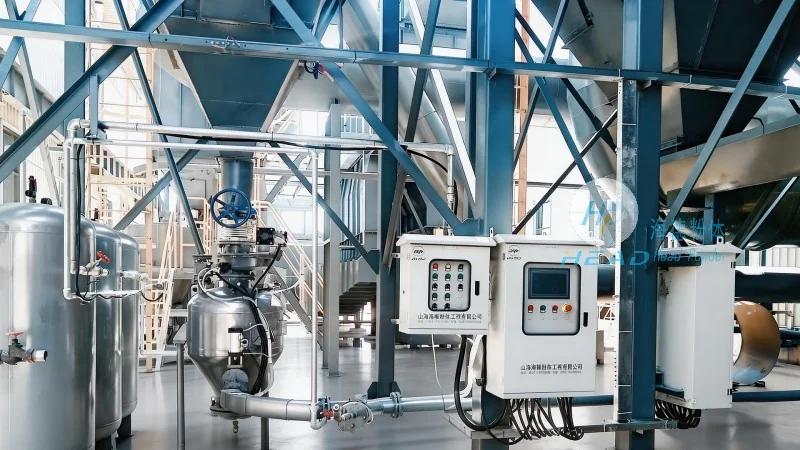
Shandong HeadPowder Engineering Co., Ltd., a leading provider in the field, specializes in designing and implementing advanced pneumatic conveying solutions. With a strong presence in China, particularly in Shandong, the company leverages decades of expertise to deliver customized systems tailored to the unique needs of polystyrene processing industries. Their commitment to innovation and quality ensures reliable performance in material handling operations.
Positive pressure systems operate by blowing air or gas into the conveying line, creating a pressure higher than the ambient air. This mode is particularly effective for transporting polystyrene from a central source to multiple destinations or over longer distances. The primary advantage lies in its ability to handle abrasive or sensitive materials without causing degradation, as the material is carried in a sealed environment. Additionally, positive pressure systems can accommodate a wide range of particle sizes and moisture content, making them versatile for various industrial applications. However, they may require more robust equipment and higher energy consumption compared to negative pressure systems, which can impact operational costs.
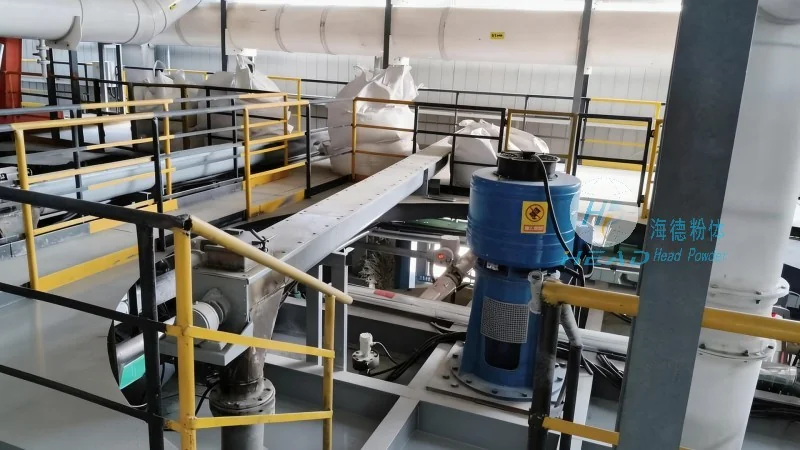
Negative pressure systems, conversely, draw material into the system by creating a vacuum or lower pressure within the conveying line. This approach is ideal for applications where dust control and environmental compliance are critical, as the system captures and contains particles effectively. Negative pressure is particularly suitable for short-distance transport or when the material is to be returned to a central collection point. The key benefits include lower energy consumption and reduced equipment wear, as the system relies on suction rather than forced air. Nevertheless, negative pressure systems may face challenges with material buildup in the line and require more frequent maintenance to prevent clogging. The choice of negative pressure often depends on the specific environmental regulations and the nature of the polystyrene being handled.
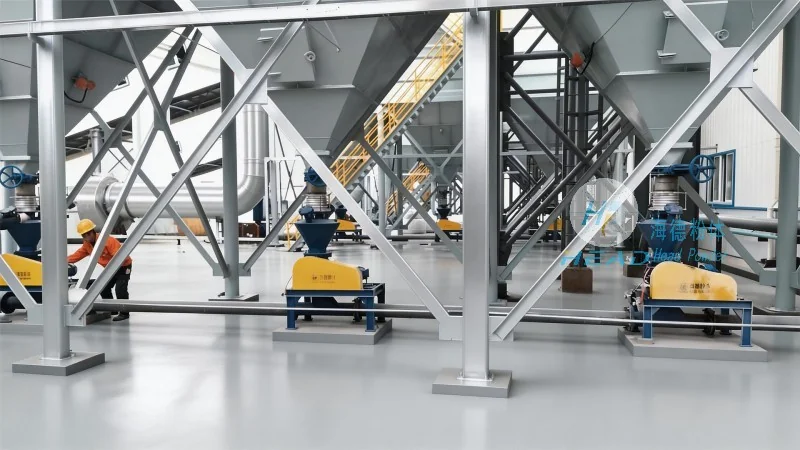
When selecting between positive and negative pressure pneumatic conveying for polystyrene, several factors must be considered. The distance and number of transfer points are critical determinants. For long-distance or multi-point distribution, positive pressure is generally more efficient due to its ability to maintain consistent flow. Conversely, negative pressure excels in scenarios where dust containment and low energy use are prioritized, such as in enclosed facilities or when transporting fine polystyrene powders. Operational costs, including energy and maintenance, also play a significant role. Positive pressure systems typically have higher energy demands, while negative pressure systems may incur higher maintenance costs due to potential clogging. The material properties, such as particle size, moisture content, and abrasiveness, further influence the choice. For example, abrasive polystyrene particles may benefit from the sealed environment of positive pressure to prevent equipment wear, whereas fine powders might be better suited to negative pressure to minimize dust dispersion.
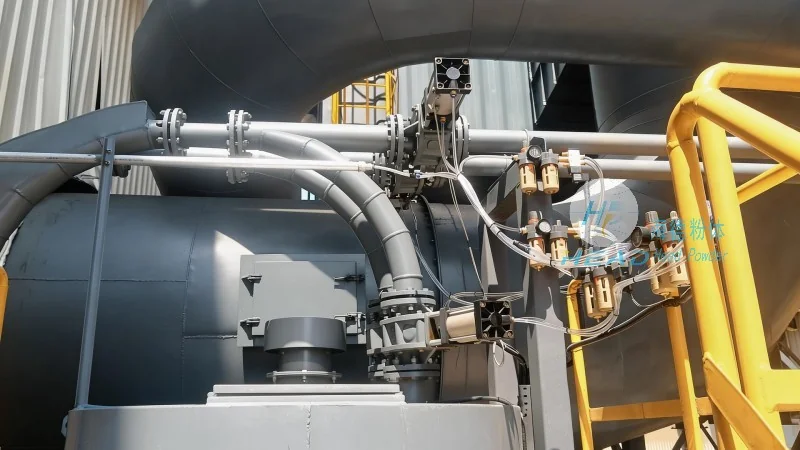
Real-world applications of these systems highlight their effectiveness in different industrial settings. In manufacturing plants, positive pressure systems are commonly used to transport polystyrene pellets from storage silos to extrusion lines, ensuring a continuous supply without interruptions. The sealed conveying process minimizes contamination and dust exposure, which is crucial for maintaining product quality. On the other hand, negative pressure systems are often employed in recycling facilities where polystyrene waste is collected and transported back to processing units. The vacuum-based approach effectively captures fine particles, preventing environmental pollution and ensuring compliance with regulatory standards. The choice of mode in these applications is driven by the need to balance efficiency with environmental and operational considerations, demonstrating the importance of selecting the appropriate system for specific tasks.
Both positive and negative pressure pneumatic conveying systems offer viable solutions for polystyrene handling, each with distinct advantages and limitations. Positive pressure excels in long-distance and multi-point transport, providing reliable material flow and reduced degradation risk. Negative pressure, meanwhile, is superior in dust control and energy efficiency, making it ideal for short-distance or environmentally sensitive applications. The decision ultimately depends on the specific requirements of the polystyrene processing operation, including distance, material properties, and regulatory constraints. By understanding the nuances of each mode, industry professionals can select the most appropriate system to enhance operational efficiency and ensure compliance. Shandong HeadPowder Engineering Co., Ltd. continues to provide expert guidance and customized solutions to meet the diverse needs of polystyrene handling in various industrial sectors.

 Shandong Headpowder Engineering Co., Ltd.
 156-6277-7102(Manager Zhang)
  0531-83386006
  Zhangqiu District, Jinan City, Shandong Province, China
telephone
WeChatconsult
top