With more than 10‑year industry experience, Shandong Headpowder delivers full‑service pneumatic‑conveying systems and blowers, undertaking nationwide turn‑key powder‑handling projects.
Headpowder, a leading enterprise in the field of powder handling technology, specializes in the design, manufacturing, and integration of systems for the safe and efficient conveying of potassium hydroxide (KOH) powder. This article provides a detailed overview of the operational process and underlying principles that govern the handling of KOH powder, emphasizing the technical aspects and practical considerations essential for effective material transport in industrial applications.
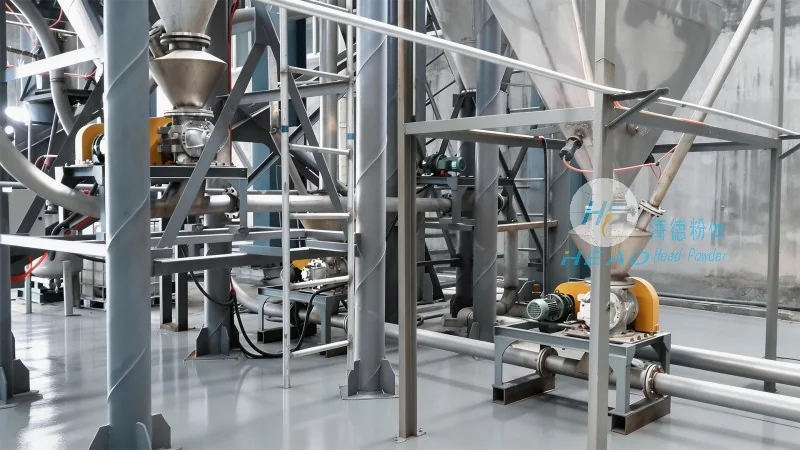
As a key component in various chemical processes, potassium hydroxide is often handled in bulk quantities, requiring specialized equipment to ensure safety, minimize dust generation, and maintain product integrity. The systems developed by Shandong HeadPowder Engineering Co., Ltd., based in China, are engineered to address these challenges through a combination of advanced material handling technologies and robust engineering solutions.
At the core of the powder conveying system is a series of components that work in tandem to move KOH powder from its source to its destination. The process typically begins with the storage of the powder in a silo or hopper, where it is held under controlled conditions to prevent caking or degradation. From the storage vessel, the powder is transferred to the conveying equipment, which may include screw conveyors, pneumatic systems, or mechanical feeders, depending on the specific requirements of the application.
The selection of the appropriate conveying method is critical and depends on factors such as the bulk density of the powder, its flow characteristics, and the distance and elevation changes involved in the transport. For example, screw conveyors are commonly used for horizontal or slight incline transport due to their ability to handle a wide range of materials and provide consistent flow rates. Pneumatic conveying systems, on the other hand, are ideal for applications requiring longer distances or vertical lifts, as they use air to transport the powder through a pipeline network.
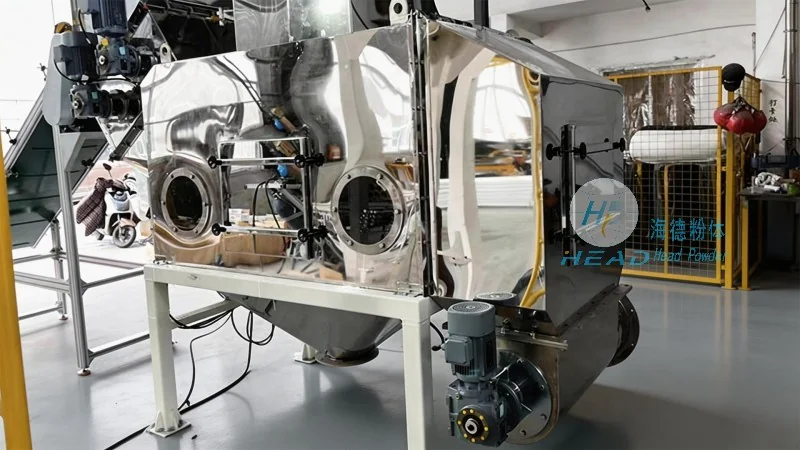
During the conveying process, several operational parameters must be carefully managed to ensure optimal performance. These include the speed of the conveyor, the pressure of the air in pneumatic systems, and the angle of inclination for screw conveyors. Proper adjustment of these parameters is essential to prevent issues such as blockages, excessive wear on equipment, or the generation of excessive dust, which can compromise both safety and product quality.
One of the key challenges in handling KOH powder is its hygroscopic nature, which means it readily absorbs moisture from the air. This can lead to caking or clumping of the powder, making it difficult to convey. To mitigate this, the conveying system is often equipped with drying or conditioning components, such as heated air or desiccant units, to maintain the powder in a dry, free-flowing state throughout the process.
Additionally, the system incorporates safety features to protect personnel and equipment from the hazards associated with KOH powder. These may include dust collection systems, explosion-proof designs, and emergency shut-off mechanisms. The integration of these safety measures is a hallmark of the solutions provided by Shandong HeadPowder Engineering Co., Ltd., ensuring compliance with industry standards and regulations.
The working principle of the powder conveying system is based on the principles of fluidization and mechanical transport. In mechanical systems like screw conveyors, the rotation of the screw imparts motion to the powder, causing it to move along the conveyor. In pneumatic systems, the powder is suspended in a stream of air and carried through the pipeline. Both methods rely on the interaction between the material and the conveying medium to achieve efficient transport.
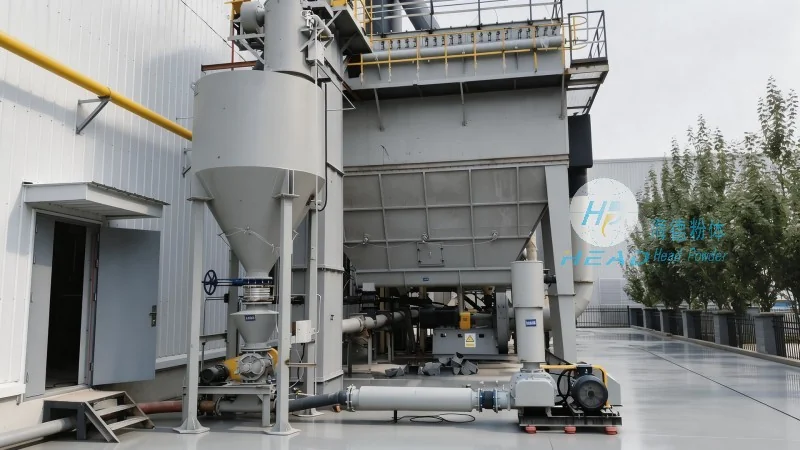
Throughout the operation, monitoring and control systems are employed to maintain the stability of the process. Sensors are used to detect the level of powder in the storage vessels and the flow rate in the conveying lines, providing real-time data that can be used to adjust the system parameters as needed. This closed-loop control helps to ensure consistent performance and minimize downtime.
The effectiveness of the potassium hydroxide powder conveying system is further enhanced by the use of specialized materials for the construction of the equipment. Components such as hoppers, silos, and conveyor troughs are typically made from corrosion-resistant materials like stainless steel or polyethylene to withstand the chemical properties of KOH and prevent contamination. The choice of materials is critical to the longevity and reliability of the system.
In summary, the operation of a potassium hydroxide powder conveying system involves a coordinated effort between storage, transfer, and conveying components, all working together to move the material safely and efficiently. The working principles behind these systems are rooted in mechanical and fluid dynamics, with careful attention to material properties, operational parameters, and safety considerations. By leveraging advanced engineering and robust design, companies like Shandong HeadPowder Engineering Co., Ltd. provide reliable solutions for the handling of KOH powder in industrial settings.

 Shandong Headpowder Engineering Co., Ltd.
 156-6277-7102(Manager Zhang)
  0531-83386006
  Zhangqiu District, Jinan City, Shandong Province, China
telephone
WeChatconsult
top